Picking out a Glass Kettle for wholesale isn’t just about pretty pictures. You really gotta dig into the details—like what’s the material quality, how well it heats up, safety features, packaging, and whether the supplier is reliable. Sure, a sleek borosilicate glass might look amazing, but it should also handle those everyday temperature shifts without cracking. And don’t forget, the handles should feel comfy in your hand, lids need to sit tight, and the bases should sit evenly on different surfaces without wobbling.
In this guide, I’m sharing seven Glass Kettles that are great options for wholesale buyers. I’ve looked at things that actually matter when making a purchase—capacity, how easy it is to pour, the design of the filter, how simple it is to clean, and what kinds of retail appeal each one might have. Plus, I’ve included details that can really affect customer happiness—like condensation around the lid or water spots that are tough to clean. Even small flaws can make a big difference.
When it comes to sourcing, you really want evidence, not just promises. Be sure to ask for detailed product specs, testing reports, sample units, carton sizes, and clear warranty info before you jump into big orders. And don’t overlook communication—if they take ages to reply or give vague answers, that could be a red flag down the line. Of course, one offhanded bad chat doesn’t spell disaster, but it’s worth keeping in mind.
These kettles cover a range of wholesale needs—from budget-friendly homeware lines to high-end kitchen collections. Some are more modern in look, others are built for everyday toughness. No single one is “the best” for every market. Things like regional tastes, shipping costs, your target price point, and after-sales support all come into play. So, use these comparisons as a starting point, but always test out samples under real conditions before making any big buys.
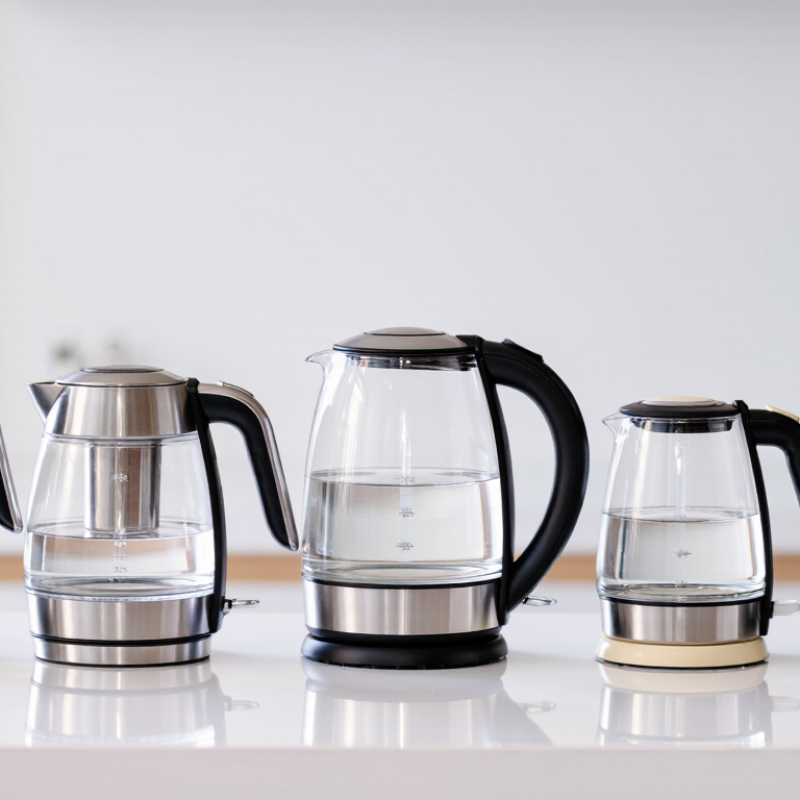
Glass Kettle Market Snapshot: Growth, Capacity, and Wholesale Demand Data
7 Best Glass Kettles for Wholesale Buyers
The Glass Kettle market is expanding through hospitality, office, and home appliance channels. For planning, many distributors are allowing 5–8% annual demand growth. This range is useful, but it is not audited global data. Regional sales can change quickly. Clear borosilicate glass remains popular because buyers can see water levels and mineral buildup. Wholesale demand usually centers on 1.5–2.0 liter models, which balance family use with manageable carton sizes. Larger capacities sell well in shared kitchens, but they increase shipping weight and breakage risk.
Purchasers should compare heating speed, handle comfort, lid sealing, boil-dry protection, and replacement-part access.
A 1.7-liter kettle using roughly 1,500–2,200 watts often fits mainstream distribution. Voltage and plug requirements must match each destination market. During sample checks, inspect glass edges, base alignment, switch response, and packaging after a realistic drop test. Small defects matter. One cracked unit per carton can erase an attractive margin.
The strongest wholesale candidates combine visible water measurement, stable bases, and protective inner molding.
Transparent packaging may improve shelf appeal, yet it can expose fragile products during transport. That trade-off deserves testing.
Demand forecasts also need caution; seasonal promotions can make growth look stronger than it is. Buyers should review twelve months of sales data, not one busy quarter, before committing to larger orders.
How to Evaluate Borosilicate Glass, 1.5–1.7 L Capacity, and 1,500–2,200 W
7 Best Glass Kettles for Wholesale Buyers
When evaluating Glass Kettles,borosilicate glass deserves close attention. It handles rapid temperature changes better than ordinary glass. However, it is not unbreakable. I recommend checking wall thickness, lid fitting, handle stability, and documented thermal-shock testing. A clear body should remain transparent after repeated boiling. Cloudiness may suggest weak material or poor cleaning resistance. Ask suppliers for test reports, food-contact documentation, and sample units before placing a large order.
Capacity also needs practical checking. A stated 1.5–1.7 L volume may include space below the maximum fill line. Measure the usable water level, not just the printed specification. For retail buyers, 1.7 L can suit families or small offices. A 1.5 L model may heat slightly faster and feel easier to handle. Power ratings from 1,500 to 2,200 W affect boiling speed, energy use, and electrical compatibility. Confirm voltage, plug type, cord length, and minimum circuit requirements for each target market. Small details matter.
Tips: Test three samples from different production batches. Record boiling time, exterior temperature, noise, and automatic shutoff performance. Check whether the kettle reaches a full boil at its working capacity. Some units perform well with one liter but struggle when filled fully. I have seen attractive samples fail during repeated hinge testing. That result is inconvenient, but useful. Wholesale decisions should value repeatable performance over polished photos. Be cautious with vague “fast boil” claims. Ask for measured results.
Seven Wholesale-Ready Glass Kettles Compared by Safety, Price, and MOQ
For wholesale buyers, seven Glass Kettle styles stand out through different safety, price, and MOQ profiles. A 1.7-liter borosilicate model offers strong thermal-shock resistance and suits everyday retail. A compact 1-liter kettle costs less and often starts at 300 units. It works well for smaller stores, though its limited capacity may disappoint busy households. A 1.8-liter kettle with a wide opening simplifies cleaning and usually requires 500 units. A temperature-control version adds convenience but raises the unit price and may need a 1,000-unit MOQ.
Safety needs closer inspection. Look for heat-resistant glass, a stable handle, concealed heating elements, and automatic shutoff protection. Ask suppliers for material reports, electrical test records, and sample approval before placing a larger order. A Tea Kettle Glass product with a cool-touch lid can reduce handling risks, but the hinge still needs repeated testing. Small details matter.
Price comparisons should include packaging, spare lids, inspection fees, and shipping damage allowances. One minimalist kettle may offer the lowest price at 200 units, while a thicker-wall model costs more but may reduce breakage claims. A family-size kettle often reaches its best price near 1,000 units. That is not always the best choice. In my experience, one sample cannot reveal every weakness. Repeated boiling tests and carton-drop checks give a more reliable purchasing decision. Loose lids remain an easy problem to overlook.
7 Best Glass Kettles for Wholesale Buyers
Seven wholesale-ready Glass Kettles compared by safety, estimated unit price, and minimum order quantity
The comparison uses anonymous product profiles with common wholesale specifications: heat-resistant borosilicate glass, 1.5–2.0 L capacity, 1,500–2,200 W power, estimated wholesale pricing of US$12–24 per unit, and MOQs of 50–300 units. Safety scores consider boil-dry protection, auto shut-off, concealed heating elements, lid design, and handle insulation.
Why IEC 60335-2-15 Compliance Matters for International Kettle Buyers
7 Best Glass Kettles for Wholesale Buyers: Why IEC 60335-2-15 Compliance Matters
A clear body sells well, but compliance protects the shipment.IEC 60335-2-15 specifies safety requirements for appliances heating liquids, including Electric Kettles. It works with IEC 60335-1, which covers general household appliance safety. Buyers should request a current test report, technical file, and applicable national deviations. A certificate alone may not prove every market requirement.
Small details matter. During factory checks, inspect the lid hinge, water-level markings, cable entry, and base contacts. Glass is unforgiving. Thermal shock, leakage current, dry-boil protection, and abnormal operation deserve documented testing. For a Digital Glass Kettle, also check sealing around the heating plate. One weak seal can create returns, stains, or electrical risk.
Mordor Intelligence estimates the electric kettle market could grow from about USD 4.43 billion in 2025 to USD 6.15 billion by 2030. Growth attracts more suppliers, but it also increases quality differences. The European Commission’s Safety Gate 2023 report recorded 3,412 product alerts across categories. That figure is not kettle-specific, yet it shows the scrutiny facing consumer goods. Ask for evidence. Then verify the production sample against the tested model. A polished report can still hide a changed thermostat, glass thickness, or plug assembly. I would not treat compliance as a final checkbox. It needs factory-level follow-up.
Wholesale Cost Analysis: Unit Price, MOQ, Packaging, and Shipping Volume
When comparing the 7 Best Glass Kettles for Wholesale Buyers, examine the complete landed cost, not only the factory quote. A Glass Kettle Electric model may cost $12 per unit at 500 pieces, but the price can fall near $9.80 at 2,000 pieces. Confirm heating power, glass thickness, lid quality, and warranty terms before accepting that reduction. A cheaper kettle is not always cheaper after returns.
MOQ affects cash flow and storage pressure. Ask whether the supplier allows mixed colors or shared packaging at the minimum order quantity. Packaging should include molded protection, a strong carton, and clear handling marks. One damaged kettle can consume the profit from several successful sales. Measure the packed carton carefully. Shipping volume depends on carton dimensions, not product weight alone. For example, 48 units in oversized cartons may create higher freight charges than 60 compactly packed units. Request carton length, width, height, gross weight, and loading quantity in writing.
Tips: Compare at least three quotations using the same specifications. Calculate unit cost, packaging, inspection, inland delivery, and ocean or air freight together. Leave room for spare lids and replacement glass. My own costing reviews often miss small accessories, especially filters and power cords. That mistake is avoidable, but it happens. Also test one sample carton before placing a large order. A neat product can still arrive with cracked glass.
Key Features Buyers Need: Auto Shut-Off, Boil-Dry Protection, and 360° Bases
For wholesale buyers comparing the seven best Glass Kettles,safety features deserve more attention than appearance. Auto shut-off should activate immediately after boiling, not several minutes later. A 2024 World Health Organization fact sheet reports about 180,000 burn deaths worldwide. Kettles are not the only cause, but overheated water remains a practical household risk. Buyers should request documented switch-cycle testing and temperature-control records from suppliers.
Boil-dry protection is equally important. It should disconnect power when the vessel has little or no water. This feature helps protect the heating plate, glass chamber, and surrounding countertop. IEC 60335-2-15 addresses safety requirements for household liquid-heating appliances. Compliance evidence matters more than a printed claim. Ask for current laboratory reports, not screenshots. Small detail, big difference.
A 360° cordless base supports left- or right-handed use and simplifies retail demonstrations. Check whether the connector stays stable after repeated lifting. Inspect the water-level markings, lid seal, handle temperature, and glass thickness across every sample. I would not approve a model after one successful test. Batch variation can expose weak switches or uneven bases. Buyers should also compare warranty returns, replacement-part access, and packaging damage rates. The clearest glass is not automatically the best choice.
Supplier Verification Checklist: Certifications, Defect Rates, Lead Times, and Warranty
Choosing the best Glass Electric Kettle for wholesale requires more than comparing appearance and price. Supplier verification protects your margin, delivery schedule, and customer trust. Request current certification documents, test reports, and factory details before placing a large order. Certifications should match your destination market and product specifications. Check whether reports cover electrical safety, materials, temperature control, and glass durability.
Ask suppliers to define their defect rate in writing. Does it include cosmetic marks, leakage, heating failure, or damaged packaging? A practical review includes pre-shipment samples, random inspections, and photos of packed cartons. One supplier once reported a low defect rate, but the calculation excluded shipping damage. That gap changed the purchasing decision.
Tips: Request three production samples. Record boiling time, lid fit, cord quality, and water leakage. Ask for monthly defect data, not one impressive figure. Confirm lead times for samples, production, and replacement parts. Seasonal delays can affect vessel schedules, so allow a small buffer. Warranty terms should state coverage, claim evidence, response time, and replacement procedures. A 12-month warranty sounds useful, but vague exclusions may leave buyers unsupported. Include spare lids, filters, or bases when appropriate. Keep every promise in the purchase contract.
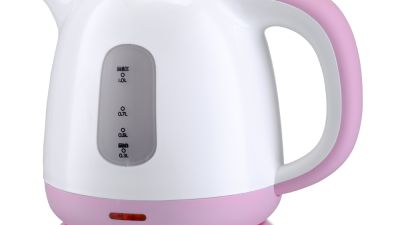
1.0L Cordless Food-Grade Plastic Electric Kettle: A Practical Guide to Safe, Fast, and Convenient Boiling
The 1.0L Cordless Electric Kettle is designed for quick, convenient boiling in homes, offices, guest rooms, and small kitchens. Its compact capacity is suitable for preparing several cups of hot water without taking up excessive counter space. With a 900–1100W power output and compatibility with 220–240V, 50–60Hz electrical systems, it provides efficient everyday performance while remaining easy to move and store.
Safety and material quality are central to its practical design. The kettle uses BPA-free, food-grade plastic together with durable 304 stainless steel components, helping support reliable contact with drinking water and regular use. It has been tested to meet CE, GS, RoHS, LFGB, and FDA requirements. For safer operation, users should place it on a stable, dry surface, avoid filling beyond the 1.0L capacity, and keep the electrical base and connector away from water. The lid and interior should also be cleaned regularly to maintain water quality and performance.
Its cordless format makes pouring more flexible, while the moderate capacity allows water to be boiled according to immediate needs, helping reduce unnecessary heating. Before first use, rinse the interior and boil fresh water once or twice before discarding it. The HHB1008 model is also suitable for bulk supply, with container loading capacities of 4,320 pieces in a 20-foot GP container, 9,000 pieces in a 40-foot GP container, and 10,560 pieces in a 40-foot HQ container.
Conclusion
This guide helps wholesale buyers assess the Glass Kettle market through demand trends, capacity preferences, and practical purchasing considerations. It explains how to evaluate heat-resistant borosilicate glass, popular 1.5–1.7 L sizes, and 1,500–2,200 W power ratings while comparing seven wholesale-ready models by safety features, pricing, minimum order quantities, packaging, and shipping efficiency. Buyers will also learn why IEC 60335-2-15 compliance is an important indicator of product safety and suitability for international distribution.
The guide further examines total wholesale cost, including unit price, order volume, packaging requirements, and freight space. It highlights essential features such as automatic shut-off, boil-dry protection, clear water-level visibility, and 360° cordless bases. A practical supplier verification checklist covers certifications, defect rates, production lead times, warranty terms, and communication standards, helping buyers reduce purchasing risks and select reliable products for different markets.

 0086-574-62518288
 Contact Email