 0086-574-62518288
Leave Your Message
- Contact Phone
- Contact WhatsApp
-
 Contact Email
Picking the best Stainless Steel Kettle isn’t just about price tags, finishes, or those perfectly polished product photos. Honestly, a kettle you can count on needs to fit your daily routine—how you heat water, how much you need, and whether you’ll actually keep up with cleaning it. It should also feel steady when it’s full, have a handle that’s comfortable to hold, and a lid that opens without you wrestling with it. Those small details? They matter more than people think.
James Hoffmann, coffee educator and author, once said, "A kettle is a tool for control, not a replacement for good technique." And that idea stretches beyond coffee. A Kettle Stainless Steel model might give you strong heat resistance, easy upkeep, and a long service life, but how well it actually performs comes down to design. So check the steel grade, base construction, spout control, temperature accuracy, and safety shutoff. If you cook with induction, make sure it’s compatible before buying. Not every stainless steel body works efficiently on every stovetop.
Look closely, though.
Real use tends to expose the weak spots. A gorgeous kettle can show fingerprints almost instantly. A super-fast boiling model might be louder than you’d expect. And some temperature displays look precise but give readings that just don’t stay consistent. None of that’s especially fun to discover, but it’s worth paying attention to. The best choice usually balances practical performance, material safety, repairability, and your own comfort. This guide will walk through those factors carefully—while admitting one imperfect truth: no Stainless Steel Kettle is perfect for every kitchen.
How to Choose the Best Stainless Steel Kettle?
Understanding Stainless Steel Kettle Types and Their Uses
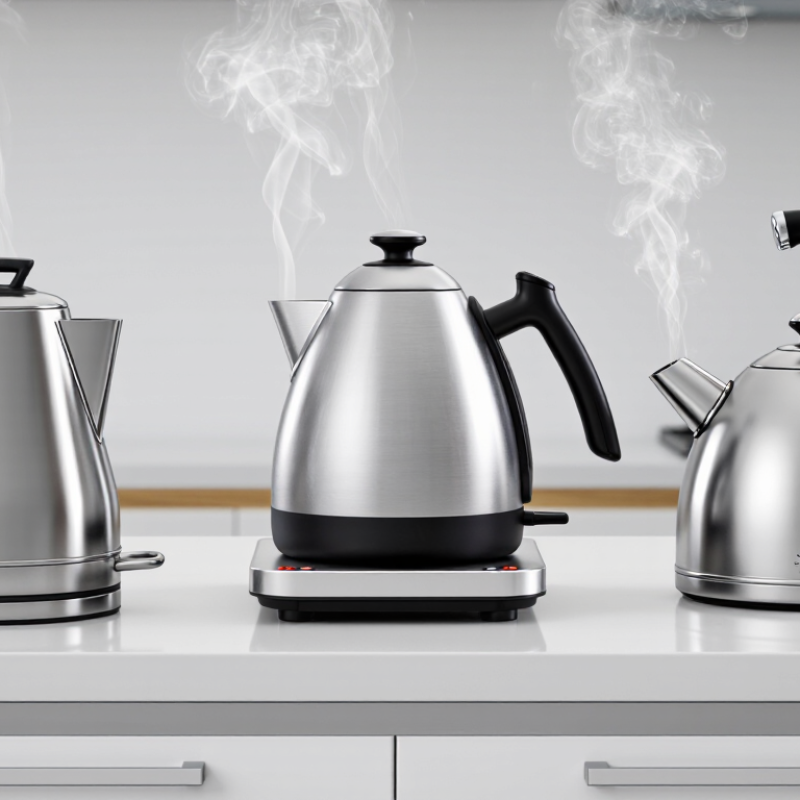
Stainless Steel Kettles come in several forms, and each suits a different daily routine. Stovetop kettles work on gas, electric, and induction cookers. They are useful when you want simple, direct heating. Many include a whistle, but loud signals can become irritating in small kitchens. Electric kettles heat water faster and often stop automatically. They suit tea, instant coffee, cooking, and office use. However, their electrical parts require careful cleaning and dry storage.
Gooseneck kettles have a narrow, curved spout for controlled pouring. I find them practical for pour-over coffee and delicate tea leaves. The slower flow helps prevent splashing. It also improves pouring accuracy. Wide-spout kettles pour faster and are better for filling pots. Some Stainless Steel Kettles include temperature controls, which help match water heat to different teas. These features are useful, but they can add cost and maintenance.
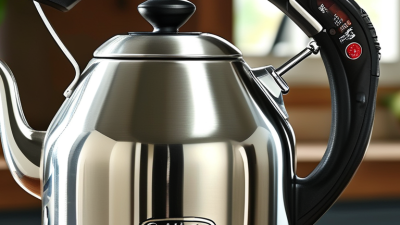
Look for food-contact stainless steel with solid, even construction. Grades commonly described as 18/8 or 18/10 resist rust and preserve a clean taste. A comfortable handle matters when the kettle is full. I once chose a beautiful kettle with a poor grip. It became awkward near boiling water. Check the lid, base, spout, and handle before buying. Avoid heating an empty kettle. Mineral deposits may appear in hard-water areas, so occasional descaling remains necessary. Even good steel needs care.
| Stainless Steel Kettle Type | Typical Material | Heat Source or Power | Common Capacity | Main Uses | Key Advantages | Important Limitations | Best Choice For |
|---|---|---|---|---|---|---|---|
| Stovetop Whistling Kettle | Usually food-contact stainless steel such as 18/8 or 18/10 stainless steel. Many models include an aluminum or copper-based layered base for improved heat distribution. | Gas, electric, ceramic, and often induction cooktops; verify induction compatibility before purchase. | Approximately 1.5–3.0 liters | Boiling water for tea, coffee, cooking, and general household use. | No electrical outlet required Durable body Simple operation | Requires a cooktop; boiling speed depends on burner power and the amount of water. The exterior and handle may become hot. | Homes that already use a cooktop and users who prefer a traditional kettle. |
| Electric Stainless Steel Kettle | Often stainless steel for the inner vessel, with polymer or heat-resistant components on the handle, lid, and base. | Electric heating element, commonly with automatic shut-off and boil-dry protection. | Approximately 1.0–1.7 liters for household models | Rapidly heating water for tea, instant coffee, oatmeal, noodles, and other hot drinks or foods. | Fast heating Automatic shut-off Convenient | Needs electricity and regular descaling. The heating base and electrical parts should not be immersed in water. | Busy households, offices, dormitories, and users who boil water frequently. |
| Variable-Temperature Electric Kettle | Stainless steel inner chamber, generally combined with electronic controls and a temperature sensor. | Electric power with selectable temperature settings, often ranging from warm water to near-boiling temperatures. | Approximately 1.0–1.7 liters | Preparing green tea, white tea, black tea, coffee, baby formula water, and other beverages requiring controlled temperatures. | Temperature control Useful for specialty drinks Keep-warm function on some models | More electronic components can increase cost and maintenance requirements. Displayed temperatures may vary slightly from the actual water temperature. | Tea and coffee users who need repeatable water temperatures. |
| Gooseneck Pour-Over Kettle | Stainless steel body and narrow gooseneck spout; electric and stovetop versions are available. | Electric heating or stovetop heating, depending on the model. | Approximately 0.6–1.2 liters | Pour-over coffee, manual brewing, tea preparation, and controlled water pouring. | Precise pouring Good flow control Compact size | Usually has a smaller capacity and pours more slowly than a standard kettle. It may be less practical for filling large pots. | Manual coffee brewers and users who value pouring accuracy. |
| Insulated Double-Wall Kettle | Two stainless steel walls with an insulating air space or thermal barrier between them. | Usually electric; some insulated serving kettles are non-heating vessels. | Approximately 1.0–1.7 liters for electric models | Heating and serving hot water while reducing external surface heat. | Improved heat retention Cooler exterior Reduced contact-burn risk | Often heavier than single-wall designs. The outside may still become warm, and the inner water can remain hot for a long time. | Families, offices, and households where exterior safety and heat retention matter. |
| Stainless Steel Thermal Carafe Kettle | Vacuum-insulated stainless steel vessel, generally designed to store hot water rather than heat it directly. | No direct heating; filled with already heated water from a kettle or other source. | Approximately 1.0–2.5 liters | Keeping boiled water hot for serving over several hours, especially in offices or hospitality settings. | Good heat retention Portable serving No power needed after filling | Does not normally boil water itself. The opening, lid, and pouring mechanism require cleaning to prevent residue buildup. | Users who need hot water available over an extended period. |
| Large-Capacity Catering Kettle | Food-grade stainless steel, often with reinforced handles, a lid, and a commercial-grade heating or serving system. | Electric heating or stovetop heating, depending on the design. | Approximately 3–10 liters or more | Serving hot water at events, restaurants, buffets, workplaces, and large gatherings. | High volume Suitable for group service Robust construction | Takes longer to heat when full, occupies more storage space, and can be heavy and difficult to pour when filled. | Catering operations, hospitality venues, and large households. |
| Laboratory or Process Heating Kettle | Specified stainless steel grade and surface finish selected for the process; construction may include sanitary fittings or temperature controls. | Electric, steam, water bath, or other controlled heating systems depending on the application. | Application-specific; commonly several liters or more | Controlled heating of water or compatible liquids in food processing, testing, research, and light industrial operations. | Process control Cleanable surfaces Configurable capacity | Not intended for ordinary household use. Material grade, seals, temperature range, and regulatory requirements must match the process. | Professional users who need documented temperature control and hygienic equipment design. |
| Portable Travel Kettle | Compact stainless steel inner vessel, often paired with a lightweight plastic exterior or travel case. | Electric power; voltage compatibility must be checked for international travel. | Approximately 0.4–0.8 liters | Boiling small amounts of water in hotels, offices, dormitories, and temporary accommodations. | Compact Lightweight Low water volume | Limited capacity and heating power. Travel use requires attention to plug type, voltage, local safety standards, and available electrical power. | Travelers and users with limited storage space. |
| Tea Kettle with Infuser | Stainless steel kettle with a removable stainless steel or food-safe mesh infuser. | Stovetop or electric, depending on the model; only use an infuser designed for heating if the manufacturer permits it. | Approximately 0.8–1.5 liters | Brewing loose-leaf tea and heating water in one vessel. | Integrated brewing Reusable infuser Easy serving | Tea residue can collect in the mesh. Fine tea particles may restrict flow, and some infusers are not suitable for direct stovetop heating. | Loose-leaf tea drinkers who want fewer separate utensils. |
| Stainless Steel Camping Kettle | Lightweight stainless steel, usually with a simple lid, folding handle, and compact nesting design. | Camp stove, gas burner, or open-fire use only when the product is specifically designed and rated for that purpose. | Approximately 0.7–2.0 liters | Outdoor boiling of water for drinks, dehydrated meals, and basic cooking. | Durable Portable No electricity required | Handles and surfaces become very hot. Soot can discolor the exterior, and the kettle should be placed on a stable heat source. | Camping, hiking base camps, emergency kits, and outdoor cooking. |
A 0.8 to 1-liter kettle usually suits tea or coffee. Measure your usual mug first. I once chose too large.
A 1.5 to 1.7-liter kettle may suit breakfast for several people. Avoid filling it fully for one cup.
No. Water volume also affects boiling time. A powerful kettle still needs time at its maximum fill line.
Look for automatic shutoff, boil-dry protection, and a stable, heat-resistant base. These features reduce avoidable mistakes. No design removes every risk.
It simplifies cleaning and reduces deposits around exposed coils. Hard-water scale can still form inside. Regular descaling remains necessary.
It helps with delicate tea, instant drinks, and warm water. Basic boiling may be enough for everyday use. It depends on your routine.
Choose a cool-touch handle, smooth lid, wide opening, and controlled spout. Test the grip when full. Small details matter.
Heat only the water you need. Clear level markings help. Boiling two liters for one cup wastes energy.
Empty leftover water after use and leave the lid open. Follow suitable descaling instructions. Never immerse the electrical base.
Watch for loose hinges, wobbling lids, noisy switches, or a warm handle. These signs may indicate poor assembly. I could be wrong, but do not ignore them.
Choosing the best Stainless Steel Kettle begins with understanding how different types suit your daily needs, whether you prefer a stovetop model, an electric kettle, or a compact travel option. Compare stainless steel grades and interior finishes to find a kettle that offers corrosion resistance, safe contact with water, and easy cleaning. Capacity should match your household size and routine, while the heating method should provide suitable speed and convenience. Features such as heat-resistant handles, automatic shut-off, boil-dry protection, clear water-level indicators, and secure lids can improve safety and ease of use.
It is also important to consider energy efficiency, construction quality, and maintenance requirements. A durable kettle with a simple design, accessible opening, and removable scale filter can remain practical for years with regular cleaning. Finally, balance the price with your expected frequency of use, desired capacity, heating performance, and essential features. The best choice is one that fits your budget while making everyday boiling tasks safe, efficient, and convenient.