Picking the right Electric Teapot manufacturer isn’t just about scoping out prices or jumping on the online bandwagon. You really want to dig into things like how fast it heats up, how precise the temp controls are, what’s safe in terms of materials, whether it leaks, and how good the warranty support is. Plus, it’s worth paying attention to the consistency of production. All these little details actually show up once you start using the thing daily—like a clear water window, a nice quiet boil, a lid that stays put, and a handle that remains comfy even after multiple boils.
In this guide, I’ve looked at ten well-known brands: Midea, Xiaomi, Philips, Joyoung, Supor, Bear, Haier, Galanz, Morphy Richards, and Russell Hobbs. Each of these companies targets different markets and customer needs. Some lean more toward smart controls and small kitchens, while others highlight stainless steel build, classic styles, or just offer budget-friendly, high-volume models. And just so you know, size or fame alone doesn’t necessarily mean the quality is better—that’s a common misconception.
James Dyson, a pretty respected figure in appliance design, once said, “Good design is about making something useful, usable, and desirable.” That totally hits the mark for Electric Teapots, too. A fancy exterior doesn’t matter much if the thermostat isn’t reliable or if the lid is a pain to clean. When testing products, consider how they handle repeated boiling, scale buildup, cord sturdiness, and how responsive the company is after you buy. And don’t just take claims of certifications at face value—check official docs and independent tests to back them up.
Honestly, no one manufacturer is perfect. Even the big players might have some models that aren’t quite up to par, or you might encounter regional differences and occasional delays in service. So, this overview mixes product features, manufacturing experience, reputation, and what buyers actually care about. Think of it as a helpful starting point—not a final judgment. In the end, making the right choice still comes down to testing samples, communicating with factories, and verifying current compliance.
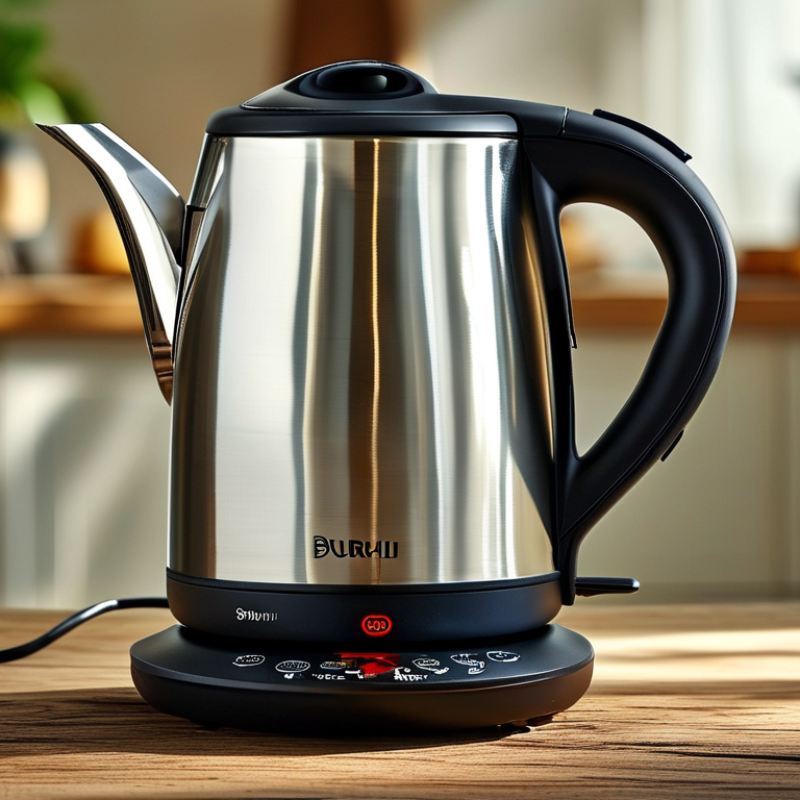
Definition and Market Role of Electric Teapots in China
An Electric Teapot is a countertop appliance that heats water or brews tea through an integrated electrical system. Unlike a basic kettle, it may include temperature controls, timers, keep-warm functions, and removable tea filters. These features support different drinks, from delicate green tea to stronger black tea.
In China, Electric Teapots serve both household and commercial needs. Families use them for daily tea preparation, while offices, hotels, and restaurants value faster service and repeatable temperatures. The product also reflects changing consumer habits.
Many buyers now expect compact designs, safer automatic shutoff, and easy cleaning. During factory evaluations, quality teams usually examine heating stability, insulation, wiring protection, and food-contact materials. Small details matter. A loose lid can affect safety and user confidence.
The market role extends beyond beverage preparation. Electric Teapots connect appliance manufacturing with smart controls, kitchen design, and export supply chains.
Manufacturers compete through energy efficiency, reliable components, and practical user interfaces rather than appearance alone. However, the category is not perfectly uniform. Some products advertise precise temperature control but show noticeable variation during testing. This gap deserves attention. Buyers should compare independent test results, warranty terms, and replacement-part access before judging a manufacturer’s position among China’s leading suppliers.
Key Features of Leading Chinese Electric Teapot Manufacturers
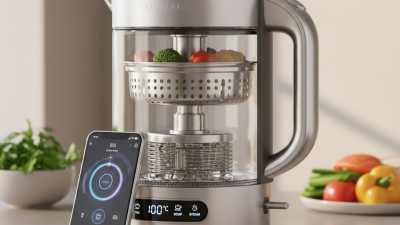
Leading Chinese Electric Teapot manufacturers focus on safety, heating performance, and practical daily use. Many use food-grade stainless steel or heat-resistant glass for the inner vessel. A well-designedElectric Portable Teapot should heat water evenly and remain stable on a desk or kitchen counter. Useful features include dry-boil protection, automatic shutoff, insulated handles, and clear water-level markings. Some models also offer temperature presets for tea, coffee, or baby formula. However, more functions do not always mean better quality.
Reliable manufacturers usually maintain testing procedures for electrical insulation, leakage, temperature accuracy, and repeated heating cycles. Buyers should examine production samples, not only catalogs. Check the lid seal closely. It should close firmly without feeling forced. Inspect the power cord, hinge, and base connection after repeated use. Factory experience matters, but it does not remove every risk. A small temperature error may still appear between batches, so final inspection remains necessary. Certifications should match the target market and be verified through valid documentation.
Tips: Ask for material reports, test records, and a sample before placing a large order. Test boiling time with the same water volume each time. Check whether the handle becomes uncomfortable after ten minutes. Confirm packaging protects the glass or stainless-steel body during transport. Also, request clear instructions for cleaning and descaling. Simple designs are often easier to maintain. That may be overlooked.
How China’s Top Electric Teapot Manufacturers Are Selected
China Top 10 Electric Teapot Manufacturers
Selecting China’s top Electric Teapot manufacturers requires more than checking factory size or online popularity. A reliable review begins with factory audits, production records, and traceable quality-control procedures. Experienced buyers should inspect stainless-steel grades, heating-element stability, temperature accuracy, and insulation performance. Small details matter. A loose lid can affect safety and user confidence.
Manufacturers should also provide relevant test reports, clear technical specifications, and consistent product samples. Their ability to manage private-label designs, packaging requirements, and batch inspections shows practical expertise. Export experience is useful, but it does not prove every product is dependable. I would compare at least three samples from different production batches. One sample may look perfect. A broader review is safer. Ranking results can remain imperfect because supplier information changes and factory conditions may differ between visits.
Tips: Ask for recent inspection documents, not old certificates. Test boiling speed, handle temperature, leakage resistance, and automatic shutoff during sampling. Confirm material declarations and after-sales procedures in writing. Visit the production site when possible, and observe whether workers follow documented procedures. Do not select a manufacturer only because its quotation is low. A cheaper unit may involve thinner materials, weaker controls, or higher replacement costs. Reliable selection combines evidence, direct experience, technical judgment, and repeated verification.
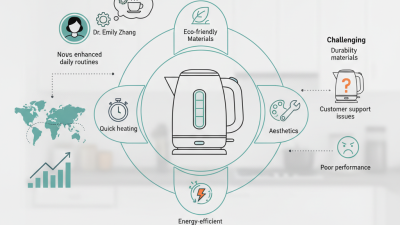
How China’s Top Electric Teapot Manufacturers Are Selected
A transparent evaluation framework based on commonly used supplier-selection criteria for electric kitchen-appliance manufacturers.
The scoring model gives the greatest weight to product safety and compliance, manufacturing capability, and quality control. Export experience, product development, customization, delivery reliability, and after-sales support are also considered when comparing qualified manufacturers.
Profiles of the Top 10 Electric Teapot Manufacturers in China
Profiles of the Top 10 Electric Teapot Manufacturers in China
China’s Electric Teapot sector serves hotels, cafés, retailers, and household buyers. Grand View Research estimated the global electric kettle market at about USD 4.1 billion in 2023, with steady growth through 2030. China remains a major production base, supported by dense supply chains for stainless steel, heating plates, sensors, and molded plastics. These manufacturers are not identical. Some focus on compact travel kettles, while others produce temperature-controlled glass models.
The ten profiles below represent common manufacturing strengths found in China. One specializes in rapid-boil kettles for offices. Another develops low-noise models for hotels. A third supplies cordless glass units with concealed heating elements. The fourth emphasizes food-contact stainless steel. The fifth produces private-label Electric Kettles for overseas retailers. The sixth integrates warm-keeping controls. The seventh focuses on small-batch customization. The eighth builds energy-saving models. The ninth serves commercial kitchens. The tenth combines assembly, testing, and export documentation under one facility.
Quality evidence matters more than factory photographs. Reports from the China Household Electrical Appliances Association indicate continued demand for upgraded small appliances and safer control systems. Buyers should verify boiling-time tests, leakage protection, material certificates, and batch traceability. A factory claiming high output may still lack stable temperature calibration. That deserves scrutiny. In practical inspections, weld marks, lid alignment, cord flexibility, and dry-boil protection reveal more than marketing language. Some supplier profiles remain difficult to compare because production data is not always independently audited. That is an industry weakness, not a minor detail.
Product Types, Technologies, and Manufacturing Strengths
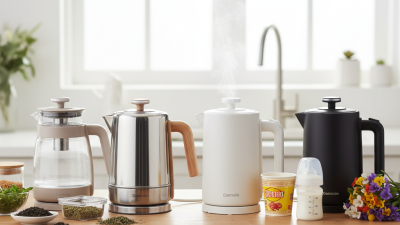
China’s top ten Electric Teapot manufacturers typically serve homes, hotels, offices, and restaurant kitchens. Their product ranges include glass teapots, stainless-steel kettles, temperature-control models, and compact travel units. Many factories also developPp Electric Kettle designs for buyers seeking lightweight, impact-resistant housings.
Modern production often combines concealed heating elements, boil-dry protection, automatic shutoff, and precise temperature sensors. Higher-level factories use injection molding lines, automated assembly, leak testing, and electrical safety inspections. Some facilities support private labeling, small trial orders, and customized plugs for different markets. Manufacturing strength is not only about equipment. It also depends on stable component sourcing, trained technicians, and traceable quality records. One overlooked weakness remains after-sales communication. Fast production cannot replace clear testing documents or dependable spare parts.
Tips: Ask for material certificates, temperature accuracy data, and cycle-test results. Request a sample before placing a large order. Check the lid hinge, handle balance, cord connection, and water-level markings by hand. A polished sample can still hide inconsistent factory batches. I would also compare noise during boiling, because many product sheets ignore it. Look for realistic claims, not perfect promises.
Quality Standards, Certifications, and Export Capabilities
China Top 10 Electric Teapot Manufacturers: Quality Standards, Certifications, and Export Capabilities
When comparing China’s top 10 Electric Tea Maker manufacturers, quality evidence matters more than attractive product photos. A reliable factory should provide traceable test reports, production records, and clear material specifications. Stainless steel should be food-contact suitable, while plastic parts need documented safety compliance. Look closely at heating stability, boil-dry protection, leakage control, and temperature accuracy. Small details matter. A loose lid can create serious safety concerns during daily use.
Certifications should match the destination market. CE documentation may support sales in Europe, while FCC requirements can apply to certain United States markets. RoHS and REACH evidence helps verify restricted-substance control. Some buyers also request ISO 9001 systems, factory audits, or independent laboratory testing. Certificates are not permanent proof. They may cover one model, expire, or fail to reflect later design changes. This is where practical verification becomes essential.
Export capability includes more than shipping a carton overseas. Experienced manufacturers should manage multilingual manuals, compliant labels, drop-tested packaging, and stable container loading. They should also explain HS codes, lead times, spare parts, and warranty procedures clearly. Requesting a production sample is wise. Test it with repeated heating cycles, hard water, and frequent lid opening. The results may expose weaknesses that a polished inspection file misses. Even strong factories can improve documentation and after-sales response. That imperfection deserves honest discussion before a long-term order.
Double Wall Glass Electric Kettle 1.7L: Safe, Fast Heating with Custom Temperature Control by China Suppliers
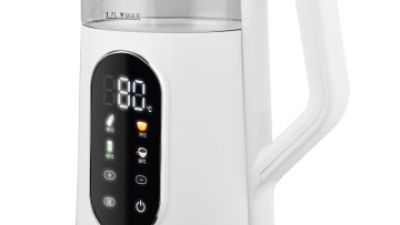
Double-wall glass electric kettles are gaining popularity as consumers seek faster heating, improved safety, and more precise beverage preparation. Market research from Grand View Research indicates that the global small kitchen appliances market is expected to grow steadily through 2030, supported by demand for convenient, energy-conscious products. With a 1.7-liter capacity and an 1850–2200W heating system, the HHB6702D is designed to boil water efficiently for households, offices, and hospitality settings.
Its inner borosilicate glass chamber provides a clear view of the water level, while the matt PP outer casing helps reduce direct-contact heat. A stainless-steel inner lid adds durability and supports easier cleaning. The double-wall construction also improves handling safety by helping limit heat transfer to the exterior. Operating at 220–240V and 50/60Hz, the kettle is suitable for a wide range of international markets.
For tea, coffee, formula preparation, and other hot beverages, temperature control is especially valuable. The kettle includes four preset functions, thirteen temperature settings, ten-time memory, and a two-hour keep-warm feature. These functions allow users to select more suitable temperatures instead of repeatedly boiling water. For distributors, the factory supports bulk logistics, with loading capacities of 2,220 units in a 20GP container, 4,680 units in a 40GP container, and 5,520 units in a 40HQ container.
FAQS
Review factory audits, production records, and traceable quality-control procedures. Inspect heating elements, stainless-steel grades, insulation, and temperature accuracy. Small details matter. A loose lid can reduce safety and user confidence.
One sample may look perfect but hide inconsistent production. Compare at least three samples from separate batches. Check boiling speed, leakage resistance, lid alignment, and automatic shutoff. One test is never enough.
The manufacturer should provide clear material specifications and safety declarations. Food-contact stainless steel is important for internal surfaces. Plastic parts need documented safety compliance. Ask for recent documents.
Test dry-boil protection, leakage control, temperature accuracy, and automatic shutoff. Also check handle temperature after boiling. A hot handle is an obvious warning. Do not rely only on photographs.
No. Certificates may expire, cover one model, or miss later design changes. Request recent reports and match them with the actual sample. Factory paperwork can look stronger than factory practice. That deserves reflection.
A capable manufacturer should manage labels, multilingual manuals, packaging, and container loading. Ask about lead times, spare parts, warranty procedures, and product classifications. Shipping a carton is not the whole job.
Not automatically. A cheaper unit may use thinner materials or weaker quality controls. Replacement costs can quietly exceed the original savings. Compare evidence, not only price.
Watch whether workers follow documented procedures during assembly and testing. Inspect weld marks, cord flexibility, lid alignment, and inspection records. Ask how batches are traced. I might still miss a hidden weakness. Repeated verification helps.
Conclusion
China’s electric teapot industry plays an important role in both domestic appliance consumption and international homeware supply. An Electric Teapot typically combines water heating, temperature control, insulation, and user-friendly operation, making it suitable for tea preparation, hot water service, and modern kitchens. Leading manufacturers are selected according to product innovation, manufacturing capacity, material safety, quality management, customer service, and export experience rather than market visibility alone.
The top 10 manufacturers represent a broad range of strengths, including stainless-steel heating systems, smart temperature adjustment, rapid boiling technology, energy-efficient designs, multifunctional brewing programs, and customized production. Their product lines may cover household, office, hospitality, and commercial applications. Reliable suppliers generally follow recognized quality standards, maintain strict testing procedures, and support certifications required by different international markets. By comparing technology, production scale, inspection processes, customization capabilities, and global delivery experience, buyers can better identify Chinese Electric Teapot manufacturers that offer consistent performance, dependable quality, and long-term cooperation potential.

 0086-574-62518288
 Contact Email