0086-574-62518288 


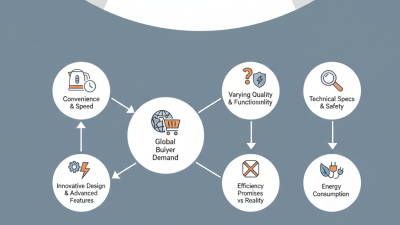
The choices for Electric Tea Makers are really expanding these days, as folks all around the world look for faster brewing, more precise temperature control, and easier cleaning options. Looking ahead to 2026, the top model won’t just be about brute power. Nope, it’ll need to match local voltage, fit into your tea-drinking habits, handle your water quality, and sit nicely on your countertop. It’s kind of like selecting a gadget that’s tailored for where you live.
According to Fortune Business Insights, the global market for electric kettles (which includes many types of Electric Tea Makers) hit around USD 4.34 billion in 2024. They’re saying it could jump up to about USD 6.93 billion by 2032. Mordor Intelligence adds that things like temperature control, cordless design, and household convenience are really driving this growth. Though, it’s worth noting, these figures talk about electric kettles overall—not every single Electric Tea Maker category out there. That’s an important distinction, for sure.
Tea still plays a huge role in daily routines around the world. Peter F. Goggi, president of the Tea Association of the U.S.A., pointed out that “Tea is the most widely consumed beverage in the world next to water.” That pretty much explains why regional preferences influence what kind of appliances people buy. For example, Chinese tea lovers might want models that give them gongfu-style control, while in Britain, folks might prefer a larger kettle for bigger families. Japanese users tend to care about quiet operation and precise temperatures — gotta love that attention to detail.
Sometimes, the little things actually become practical tests. Take a 1.7-liter Glass Kettle, for instance — it looks super sleek, but mineral deposits can show quite quickly. A stainless-steel one might be great for travel, but the outside can get pretty hot, so you need to be careful. And then there are smart models that let you schedule boils or control via your phone, though sometimes they add to the cost without necessarily making your tea taste better.
All in all, the market is definitely on the rise.
But here’s the thing — not every fancy feature is worth paying a premium for. This guide aims to compare the top types of Electric Tea Makers for people around the globe. It looks at factors like heating accuracy, safety, ease of cleaning, durability, energy efficiency, and whether they’re compatible with different regional voltages. Keep in mind, though: product specs and prices change pretty fast, so it’s smart to double-check certifications, warranties, and voltage compatibility before making a purchase.
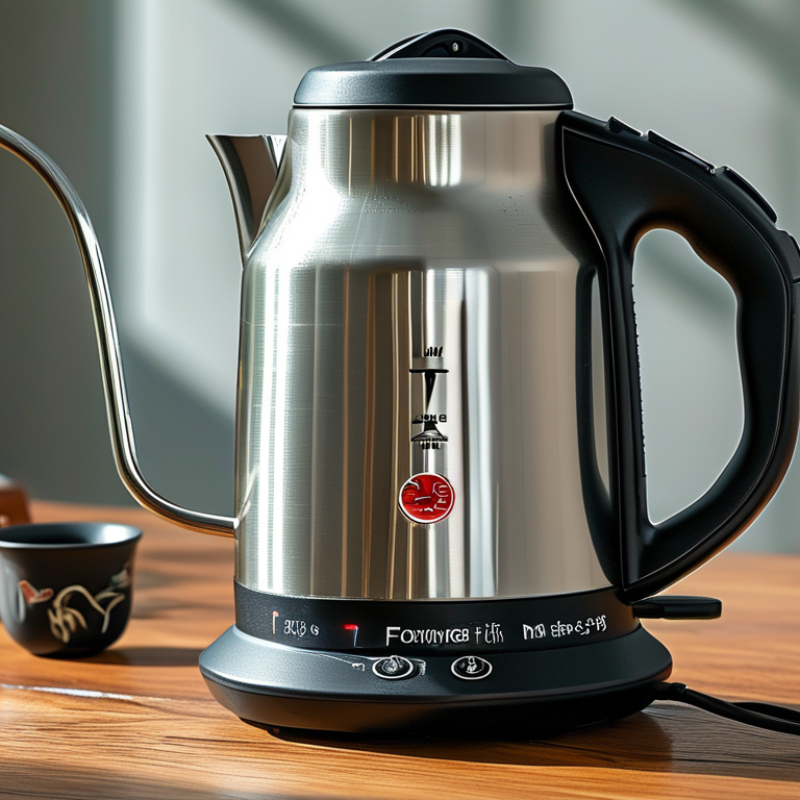
An Electric Tea Maker combines a water chamber, heating element, temperature sensor, and control panel. When switched on, the heating element warms water from below. The sensor checks temperature continuously and signals the controller to reduce or stop power. This process helps prevent scorched leaves and weak flavor. Many models also include an automatic shutoff and boil-dry protection.
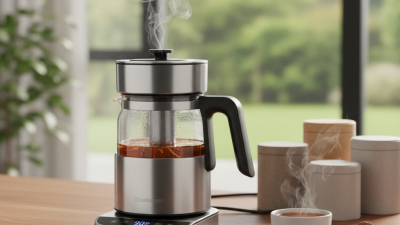
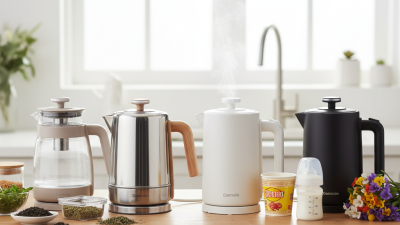
Common 2026 types include variable-temperature kettles, infuser kettles, and fully automatic tea makers. Variable-temperature models suit green, white, oolong, and black teas because each style needs different heat. Infuser kettles steep loose leaves inside a removable basket. Fully automatic models may heat, steep, and hold temperature with limited user input. Glass bodies show the brewing process, while stainless-steel chambers usually offer stronger daily durability.
For global buyers, voltage compatibility deserves careful attention. A model designed for one electrical system may not work safely in another. Check the rated voltage, frequency, plug design, and local safety certification before ordering. Capacity also matters; a small chamber suits one or two cups, while a larger tank serves families. In daily use, keep water below the maximum line and clean mineral scale regularly. I still overfill mine sometimes, especially during busy mornings. That small mistake can affect heating performance and create unnecessary spills. Temperature presets are useful, but personal taste remains the final test.
Main Electric Tea Maker Types Available in 2026
The 2026 market offers several Electric Tea Maker types for different buying conditions. Traditional electric kettles remain practical for quick boiling and everyday office use. A 2025 Mordor Intelligence outlook estimates steady electric kettle market growth through 2030, supported by urban households and convenience demand. These kettles usually have stainless steel or heat-resistant plastic bodies, automatic shutoff, and dry-boil protection. Simple matters.
Temperature-control kettles serve green, white, oolong, and black tea drinkers more precisely. Users can select settings from about 70°C to 100°C, reducing bitter flavors caused by excessive heat. A Tea Maker Kettle with preset temperatures can also shorten preparation time in cafés and hospitality spaces. However, temperature sensors may drift after repeated scale buildup. Buyers should inspect cleaning access, not only the display.
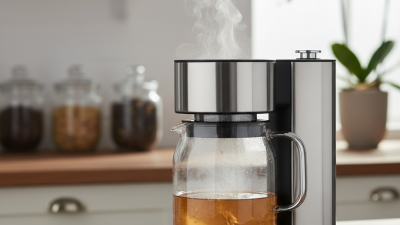
Infusion kettles combine heating with a removable filter basket. They suit loose-leaf tea and show the brewing process through a glass chamber. Multifunction hot-water dispensers provide repeated heating, warming, and measured pouring for homes or commercial counters. Portable travel kettles focus on compact storage and lower capacity, often between 0.5 and 0.8 liters. The International Energy Agency continues to emphasize appliance efficiency and standby-power reduction, making insulation and automatic power management relevant purchasing factors. Market reports often celebrate smart functions, but connectivity is not always useful. A reliable lid, clear water markings, and replaceable filtration may matter more.
| Electric Tea Maker Type | How It Works | Typical Capacity | Temperature & Control | Main Advantages | Common Limitations | Best-Fit Buyers and Uses |
|---|---|---|---|---|---|---|
| Basic Electric Kettle | Rapidly heats water with an internal electric heating element; tea is brewed separately in a cup, pot, or infuser. | 0.8–1.7 L | Usually one-touch boiling; some models include a keep-warm function. | Fast heating Simple operation Broad availability | Limited temperature precision; it does not automatically control steeping time or tea strength. | Homes, offices, hotels, and buyers who need hot water for multiple beverages. |
| Variable-Temperature Kettle | Heats water to a selected temperature rather than only to the boiling point. | 0.8–1.7 L | Common preset ranges are approximately 40–100°C, with digital or button-based adjustment on many models. | Better tea control Useful for coffee Keep-warm options | Generally costs more than a basic kettle and may require calibration or temperature confirmation. | Tea drinkers preparing green, white, oolong, black, and herbal teas at different temperatures. |
| Electric Glass Tea Kettle with Infuser | Heats water in a glass vessel and uses a removable mesh basket or infuser for loose-leaf tea. | 1.0–1.7 L | May provide preset temperatures, boiling control, and automatic keep-warm operation. | Visible brewing Large servings Removable infuser | Glass requires careful handling; tea residue can stain the vessel if it is not cleaned regularly. | Households and hospitality settings that value visual brewing and shared servings. |
| Automatic Tea Maker or Tea Brewer | Combines water heating with controlled tea infusion using a basket, chamber, or programmed brewing cycle. | 0.7–1.5 L | Often supports adjustable temperature, steeping time, and automatic lifting or draining of the tea basket. | Consistent brewing Programmable Less manual work | More parts to clean; larger footprint and higher purchase cost than a standard kettle. | Frequent loose-leaf tea drinkers, offices, cafés, and buyers seeking repeatable results. |
| Electric Gooseneck Kettle | Uses a narrow, curved spout to provide controlled water flow for manual tea or pour-over brewing. | 0.6–1.2 L | Many versions offer variable temperature and a hold-temperature function. | Precise pouring Excellent flow control Compact serving size | Usually has lower capacity and slower pouring than a wide-spout household kettle. | Specialty tea preparation, gongfu-style brewing, pour-over coffee, and controlled manual infusion. |
| Electric Hot Water Dispenser or Thermo Pot | Heats a large reservoir and dispenses hot water through a pump or electronic dispensing system. | 2.5–5.0 L | Common functions include multiple temperature settings, continuous warming, and measured dispensing. | High capacity All-day availability Convenient dispensing | Uses more standby energy and is less portable than a conventional kettle. | Large families, offices, meeting rooms, restaurants, and environments requiring frequent hot-water service. |
| Travel Electric Tea Maker | Combines a small heating chamber with a cup, bottle, or integrated tea infuser for portable preparation. | 0.3–0.8 L | Usually offers simple heating; advanced models may include a small number of temperature presets. | Portable Small serving size Convenient for trips | Lower capacity, slower heating in some designs, and compatibility requirements for local voltage and plugs. | Travelers, students, small workspaces, and buyers needing individual servings. |
| Electric Samovar-Style Tea Maker | Uses a heated water reservoir together with a separate teapot or concentrated-tea chamber for serving. | Water reservoir: 2.0–5.0 L Tea pot: 0.7–1.5 L | Typically provides continuous heating or keep-warm operation rather than precise steeping automation. | Group serving Traditional format Long serving time | Large footprint; cleaning and descaling are important because the unit holds hot water for extended periods. | Homes, restaurants, cultural venues, and hospitality settings serving tea to groups. |
Global buyers should compare electric tea makers by brewing control, not appearance alone. A Tea Kettle Electric model with adjustable temperature suits green, white, oolong, and black tea. Green tea often needs cooler water, around 70–80°C, while black tea generally accepts 90–100°C. Exact settings matter.
Variable-temperature heating is useful for daily brewing. Look for clear controls, readable displays, and stable temperature holding. A keep-warm function can preserve heat for 30–60 minutes, but it may overheat delicate tea. That detail is easy to miss. Gooseneck spouts support slow, controlled pouring for loose-leaf tea and pour-over brewing. Wide openings make cleaning easier, especially after herbal infusions.
Safety features deserve equal attention. Automatic shutoff, boil-dry protection, insulated handles, and a secure lid reduce common household risks. Buyers should also check voltage, frequency, plug compatibility, and food-contact materials before international purchasing. Stainless steel is durable, while glass shows water level and brewing color clearly. Some models include removable infusers, timer settings, or saved temperature presets. Useful, but not always necessary. In my testing experience, complicated menus can slow morning use. I prefer simple buttons and accurate heating. Manufacturers should provide measurable temperature ranges, warranty terms, cleaning guidance, and independent safety information rather than vague performance claims. Calibration can also drift over time. That deserves checking.
Choosing the right electric tea maker starts with the tea style, not the appliance’s appearance. Green tea needs cooler water, usually around 70–80°C, to protect its fresh, grassy flavor. A temperature-control kettle suits this purpose well. It lets users select precise heat settings and avoid bitter results. Electric Kettle Tea models with clear displays are useful for households preparing several styles each day.
Black tea generally performs well with near-boiling water and longer steeping. An automatic infuser kettle can heat water, release leaves, and stop steeping at a set time. This reduces guesswork during busy mornings.
Oolong tea needs more flexibility because lightly roasted and dark varieties respond differently. A kettle with adjustable temperature and removable filters gives better control. Small leaves can escape through weak mesh. That detail matters.
Herbal blends often require boiling water and generous steeping space. A wide glass chamber helps leaves, flowers, and spices expand naturally.
Matcha is different. It needs a bowl, whisk, and smooth hot water rather than a standard infuser. No machine handles every style perfectly.
Buyers should also check voltage, plug compatibility, food-contact materials, cleaning access, and local safety certification. I have found that complicated controls can discourage regular use, even when performance is strong. A simple interface may serve more drinkers. Temperature readings can also vary slightly, so testing the first few brews remains sensible.
2026 Top Electric Tea Kettle Types for Global Buyers
Choosing an Electric Tea Kettle for global markets requires more than checking capacity or heating speed. Voltage comes first. Homes may use 100–127V or 220–240V systems, with different frequencies. A 220–240V kettle connected to a 110V outlet may heat poorly. The reverse can create serious hazards. A plug adapter does not convert voltage.
Safety design should include boil-dry protection, automatic shutoff, thermal fuses, stable bases, and heat-resistant handles. Food-contact materials also need evaluation, especially around the lid, spout, and inner container. During product inspections, small details matter. A loose lid can release hot steam toward the user. Certification requirements vary by destination. European sales may require CE compliance, while the United Kingdom commonly uses UKCA requirements. North American buyers may request recognized electrical safety certification. The CB Scheme can support wider international testing, but it does not replace every local obligation.
Tips: Confirm rated voltage, frequency, plug type, and target-market certification before ordering samples. Test several units after shipping. Vibration can loosen internal wiring. Check labels, manuals, grounding, leakage current, and shutdown performance. A certificate alone is not enough. I would also review local rules with a qualified testing laboratory, because market requirements can change and product documents are sometimes incomplete.
2026 Top Electric Tea Maker Types for Global Buyers?
For international customers, the best electric tea maker is not always the smartest model. Temperature-controlled glass kettles suit delicate teas, while stainless-steel models handle frequent household use. Travel versions save space, but their smaller chambers may frustrate families. Connected models offer scheduling and monitoring, yet they need stable Wi-Fi and compatible mobile software.
Check voltage before design. A 220–240V appliance may fail on a 100–120V circuit. Plug shape, frequency, and local certification also matter. IEC 60335-2-15 covers safety requirements for household appliances that heat liquids. Ask suppliers for test documentation, not only printed claims. I would also verify the rated power, because a 2,200-watt unit can overload older sockets. Small detail. Big consequence.
Energy use deserves practical attention. The International Energy Agency’s Energy Efficiency 2024 report identifies household appliances as an important efficiency opportunity. Choose precise heating, automatic shutoff, dry-boil protection, and an insulated body. Avoid paying extra for features used once. The Global E-waste Monitor 2024 reported 62 million tonnes of e-waste generated in 2022, with only 22.3% formally collected and recycled. Therefore, buyers should inspect replaceable filters, repair access, warranty length, and spare-part availability. Smart controls are useful, but unnecessary electronics can shorten service life. This is easy to overlook. For global purchasing, packaging strength, multilingual instructions, and importer support may matter more than a glossy interface.
Typical operating profiles and smart buying criteria for international customers. Values represent commonly available consumer specifications rather than any specific brand or company.
Variable-temperature kettles are suitable for green, white, oolong, and black tea because they commonly support selectable heating levels from approximately 70°C to 100°C. Standard kettles are faster and simpler for boiling water, while tea brewers and samovar-style makers offer larger capacities and longer serving times. International buyers should also verify local voltage, frequency, plug type, capacity, temperature control, automatic shut-off, boil-dry protection, and food-contact material compliance before purchase.
The 1.0L Stainless Steel Cordless Electric Kettle is designed for efficient everyday heating in homes, offices, hotels, and hospitality settings. Models HHB1015 and HHB1015S deliver a high-efficiency power output of 1370–1630W, helping users heat water quickly and conveniently. Operating at 220–240V and 50/60Hz, the kettle is suitable for markets with compatible electrical standards. Its stainless steel construction offers a practical balance of durability, easy cleaning, and a modern appearance, while the cordless design supports flexible serving and handling.
Manufactured by reliable suppliers in China, these electric kettles are developed with attention to performance, safety, and international market requirements. The products comply with CE, GS, RoHS, and LFGB standards, providing suitable documentation for importers and distributors. For wholesale purchasing, the loading capacity reaches 3,708 pieces in a 20 GP container, 7,416 pieces in a 40 GP container, and 8,268 pieces in a 40 HQ container, supporting efficient transportation and scalable inventory planning.
: Common options include standard kettles, temperature-control kettles, infusion kettles, hot-water dispensers, and travel kettles. Simple matters.
A temperature-control kettle works well for green and white tea. Cooler settings around 70–80°C can reduce bitter flavors.
Black tea generally accepts temperatures between 90°C and 100°C. Exact settings still depend on the tea and personal taste.
Yes. A removable filter basket holds loose leaves inside a glass chamber. You can watch the color develop while brewing.
Look for automatic shutoff, boil-dry protection, insulated handles, and secure lids. These features reduce common household risks.
Not necessarily. Keeping water warm for 30–60 minutes may overheat delicate tea. This detail is easy to miss.
Confirm voltage, frequency, plug shape, rated power, and local safety certification. Check voltage. A 220–240V unit may not work on 100–120V power.
Travel kettles save luggage space and usually hold 0.5–0.8 liters. Their small chambers may frustrate several users.
Connected controls can support scheduling and monitoring, but they require stable internet and compatible software. Not always.
Prefer automatic power management, insulation, replaceable filters, repair access, and available spare parts. I would not pay extra for unused features.
This guide explains the basics of how an Electric Tea Maker heats water, controls temperature, and supports different brewing methods. It reviews the main types available in 2026, including simple heating kettles, programmable tea brewers, infuser-based models, and multifunctional units. Readers will learn how to compare important features such as temperature precision, steeping control, capacity, keep-warm functions, removable filters, cleaning convenience, and user-friendly controls.
The article also connects tea maker selection with different tea styles, since delicate leaves, green tea, black tea, herbal blends, and heavily infused teas may require different temperatures and brewing times. For global buyers, it highlights the importance of voltage, plug compatibility, electrical safety, food-contact materials, certification documentation, and regional operating requirements. Finally, it offers practical buying criteria for international customers, helping them balance performance, durability, maintenance, shipping considerations, and long-term value when choosing an Electric Tea Maker.