0086-574-62518288
Leave Your Message
- Contact Phone
- Contact WhatsApp
-
 Contact Email
China’s Thermal Kettle industry is really evolving beyond just the basic job of keeping water hot. Nowadays, buyers are expecting more—better insulation, safer materials that contact food, leak-proof lids, and thermostats that actually hold the temperature consistently. Whether you’ve got a kettle sitting by a hotel breakfast station, nestled inside a delivery van, or just casually sitting on a family kitchen counter, each setting comes with its own set of performance needs.
According to Grand View Research, the global market for Electric Kettles hit around USD 4.49 billion in 2023, and it’s expected to keep growing through 2030. That’s driven by how convenient they are, the rise of city living, and the demand for energy-efficient appliances. Just a heads-up—this market data covers the broader category of Electric Kettles, not every single thermal kettle out there. It’s a subtle but important distinction since the definitions can vary, and numbers might seem precise even if product specs are all over the place.
Professor Mark Miodownik, a well-known materials scientist and author, once said, “Materials are the stuff that makes civilization.” That really hits home when you think about the types of steel used, the quality of vacuum insulation, silicone seals, and plastics—the tiny details that actually impact how your kettle performs, how long it lasts, and, honestly, how confident you feel about using it. That’s why choosing the right supplier isn’t just about fancy catalogs; you need to look deeper.
China is still a major player as a sourcing hub. Companies like Midea, Haier, Supor, and Joyoung bring serious manufacturing experience, plus there are specialized OEM suppliers ready to develop private-label options. When it comes to picking the right partner, it’s crucial to go beyond shiny samples—check factory audits, test for consistent quality across samples, examine thermal-loss testing reports, verify food-contact safety documentation, and see how responsive they are after the sale. In other words, look for proof, not just fancy promises.
Sometimes, a supplier can impress with a sample, but then miss the mark on actual production. That’s the tricky part. To minimize surprises, it’s smart to rely on independent testing, clear specs from the start, and multiple pre-shipment checks. This guide highlights some of China’s top manufacturers and suppliers for Thermal Kettles, focusing on their capabilities, quality control, customization options, and what you should really consider when buying.
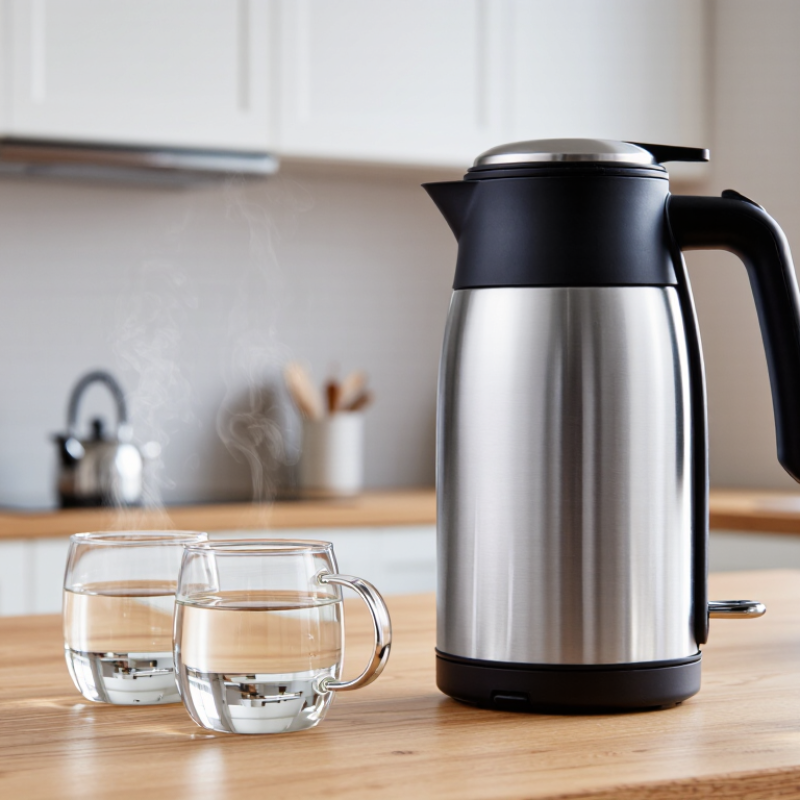
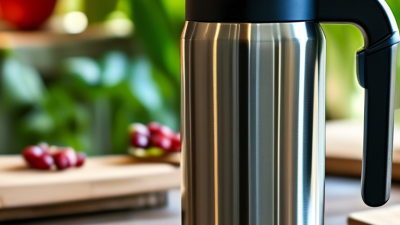
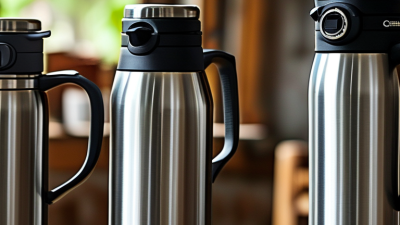
A Thermal Kettle is an insulated vessel designed to keep water or other drinks hot for extended periods. It usually combines a double-wall body, vacuum insulation, a sealed lid, and a heat-resistant handle. Unlike a conventional Hot Kettle, it does not need continuous electricity to maintain serving temperature.
Heat retention matters. The boundary is not perfectly tidy, because some products heat, store, and dispense liquid in one unit.
Its main applications include homes, offices, hotels, restaurants, hospitals, and outdoor catering. In a busy breakfast area, a Thermal Kettle can hold hot water for tea without repeated boiling. This reduces waiting time and may limit unnecessary reheating.
Grand View Research reported that Asia Pacific held the largest share of the global electric kettle market in 2023. Mordor Intelligence also projects continued market growth through 2029, supported by household convenience and commercial foodservice demand.
Manufacturers and buyers should examine insulation performance, capacity, lid sealing, pouring control, material safety, and cleaning access.
A 1.5-liter model suits a small office, while larger units serve buffet counters. Stainless steel improves durability, but it can make the vessel heavier. Thermal performance also changes with fill level and opening frequency.
A perfect temperature claim can mislead. Real use is messier. Data from the U.S. Department of Energy continues to emphasize efficient water heating, yet product comparisons should measure actual heat-loss rates, not only advertising language.
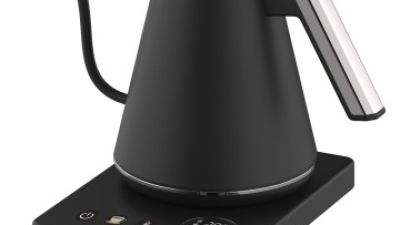
The 1.0L Digital Gooseneck Kettle is designed for precise pouring and better coffee and tea brewing. Made from food-grade 304 stainless steel, it offers reliable durability and safe daily use. The slim 8 mm gooseneck spout provides excellent control over water flow, helping users pour slowly and evenly for pour-over coffee, delicate tea leaves, and other brewing methods that require accuracy.
Its digital temperature control ranges from 40°C to 100°C in precise 5°C increments, allowing users to select the right heat for different beverages. Three preset temperatures—91°C, 93°C, and 96°C—make regular brewing quick and convenient, while the 1.0L capacity is suitable for personal use or small servings. With a power range of 900–1100W for 220–240V systems and 1000–1200W for 100–120V systems, the kettle heats water efficiently for everyday kitchen routines.
Designed for retail and bulk supply, this electric kettle supports large-volume orders, with loading capacities of 1,840 pieces for a 20GP container, 3,880 pieces for a 40GP container, and 4,560 pieces for a 40HQ container.
A thermal kettle is an insulated vessel that keeps water or drinks hot for extended periods. It usually has double walls, vacuum insulation, a sealed lid, and a heat-resistant handle. It stores heat.
A conventional electric kettle mainly heats water with electricity. A thermal kettle also focuses on retaining heat after heating. Some models combine heating, storage, and pouring, so the boundary is not always clear.
They are used in homes, offices, hotels, restaurants, hospitals, and outdoor catering. A breakfast area may keep hot water ready for tea. This can reduce repeated boiling and waiting time.
A 1.5-liter model may suit a small office or family kitchen. Larger units work better on buffet counters or during group service. Capacity should match actual demand, not optimistic estimates.
Check insulation, lid sealing, pouring control, material safety, capacity, and cleaning access. A secure lid should not wobble during pouring. The handle should remain comfortable after heating.
Measure water temperature after fixed periods, such as two, four, and eight hours. Record the starting volume, room temperature, and opening frequency. A full tank may retain heat differently from a half-filled tank. Perfect-temperature claims deserve caution.
Useful features include automatic shutoff, dry-boil protection, secure lids, and heat-resistant handles. Clear physical controls help when hands are wet. Testing should follow a recognized household liquid-heating safety framework.
Request factory details, production photos, inspection records, samples, and a written quality-control plan. Check stainless steel grade, insulation method, gasket fit, and leak-testing procedures. Use samples for several days. A polished sample can hide inconsistent production.
Confirm minimum order quantities, lead times, sample fees, replacement terms, and packaging strength. Inspect carton corners after transport. Weak cartons can damage well-made kettles. Leave time for retesting. Mistakes happen.
This guide explains what defines a Thermal Kettle, including its insulation structure, heat-retention performance, and common uses in homes, offices, hotels, restaurants, and commercial food-service settings. It reviews modern features such as energy-efficient heating, temperature control, safe handling, durable materials, leak-resistant designs, and user-friendly interfaces. The article also introduces China’s main manufacturing regions and explains how regional supply chains, production capabilities, and logistics can affect sourcing decisions.
Readers will learn how to evaluate Chinese manufacturers and suppliers through factory experience, production capacity, quality management, communication, and after-sales support. It also covers relevant product standards, certifications, inspection procedures, and quality-control practices that help ensure reliable performance and safe use. Finally, the guide discusses customization options, including capacity, materials, appearance, packaging, and functions, while outlining how pricing, order volume, tooling, lead time, and minimum order quantities influence the overall purchasing decision.