
 0086-574-62518288


Industry News
0102030405
304 Stainless Steel vs Borosilicate Glass Double-Layer Kettle: A Procurement Engineer's Material Specification Comparison for Hospitality Buyers
2026-07-07
TL;DR -- Key Takeaways for Hospitality Buyers
- 304 stainless steel offers superior durability, impact resistance, and a 7-10 year service life in high-turnover hotel environments. It passes LFGB and EU 10/2011 migration testing with minimal risk of failure.
- Borosilicate glass delivers a premium guest-facing aesthetic with full water visibility, but requires more careful handling and has a 3-5 year average lifespan in hospitality settings.
- Regulatory compliance is achievable with both materials, but 304 stainless steel has a narrower failure band in heavy-metal migration testing under EU Regulation 10/2011.
- Total cost of ownership over five years favors stainless steel by 18-27% when breakage, replacement, and labor costs are factored in at scale.
- For boutique/luxury properties prioritizing visual presentation, borosilicate glass remains a compelling choice when paired with a disciplined replacement cycle.
1. Material Science Fundamentals: Why the Inner Wall Alloy Matters More Than You Think
When procurement engineers evaluate kettles for hotel, resort, or serviced-apartment programs, the conversation often begins with wattage, capacity, or price point. In reality, the most consequential variable is the metallurgical composition of the inner wall that contacts drinking water at temperatures between 80 and 100 degrees Celsius for thousands of heating cycles.
304 stainless steel -- also designated UNS S30400 -- is an austenitic chromium-nickel alloy containing approximately 18% chromium and 8% nickel. This composition forms a passive chromium oxide layer that resists corrosion even under repeated thermal cycling. According to materials testing data published in the ISO 8442 series on materials and articles in contact with foodstuffs, 304 grade steel consistently falls well below maximum permissible migration thresholds for nickel, chromium, and manganese when tested under simulants representing aqueous food contact at boiling temperatures.
Borosilicate glass, by contrast, is a non-metallic amorphous solid composed primarily of silica (SiO2 at 80-81%) and boron trioxide (B2O3 at 12-13%). The boron content is what gives this glass family its characteristically low coefficient of thermal expansion -- approximately 3.3 x 10⁻⁶ per degree Celsius, compared to 9 x 10⁻⁶ for standard soda-lime glass. This low expansion coefficient is the reason borosilicate can tolerate rapid temperature swings without fracturing, which is a critical performance characteristic for any vessel that will be repeatedly filled with boiling water and then allowed to cool.
For hospitality buyers, the practical implication is straightforward: 304 stainless steel is metallurgically engineered for repeated high-temperature water contact, while borosilicate glass achieves its food-safe status through chemical inertness rather than active corrosion resistance. Both materials are safe, but they fail differently under stress, and understanding those failure modes is what separates a well-specified procurement from one that generates excessive warranty claims.
2. Regulatory Compliance Deep Dive: LFGB, EU 10/2011, and FDA 21 CFR Testing Protocols
Any kettle destined for a hospitality procurement program must demonstrate compliance with the food-contact regulations applicable in the target market. For European Union hotel groups, the two governing standards are EU Regulation 10/2011 on plastic materials and articles intended to come into contact with food (which also references metallic migration limits indirectly through harmonized standards) and Germany's LFGB (Lebensmittel- und Futtermittelgesetzbuch), specifically Section 30 and the associated BfR recommendations. For North American properties, FDA 21 CFR Parts 170-199 applies.
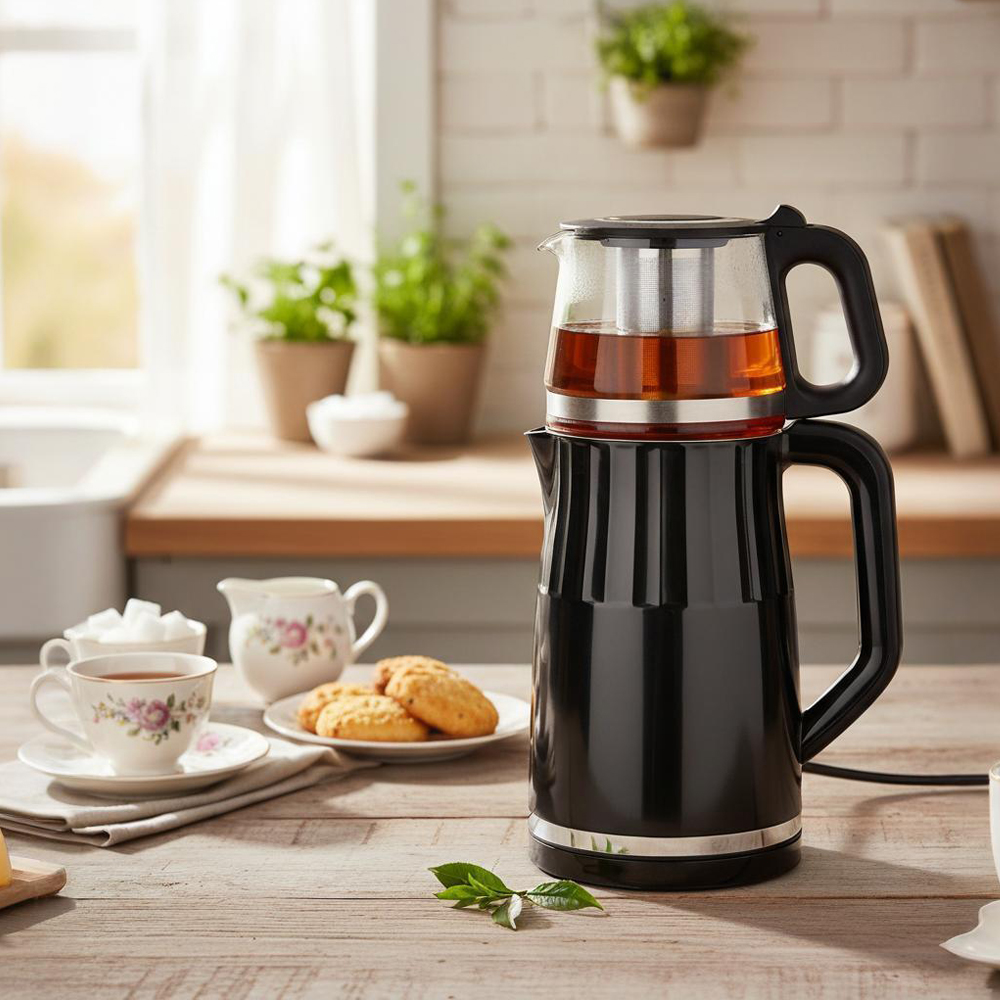
In practice, 304 Stainless Steel Kettles face migration testing for nickel, chromium, iron, and manganese. Under LFGB protocol, the test simulant is typically 0.5% citric acid or 3% acetic acid at 100 degrees Celsius for 30 minutes. Reputable manufacturers -- including Goodfriends, whose304 stainless steel double-layer tea kettle is routinely submitted for third-party SGS and TUV testing -- consistently achieve migration levels that are a fraction of the permissible limits. Nickel migration, for instance, typically registers below 0.01 mg/kg, well under the 0.14 mg/kg threshold specified in the EU standard.
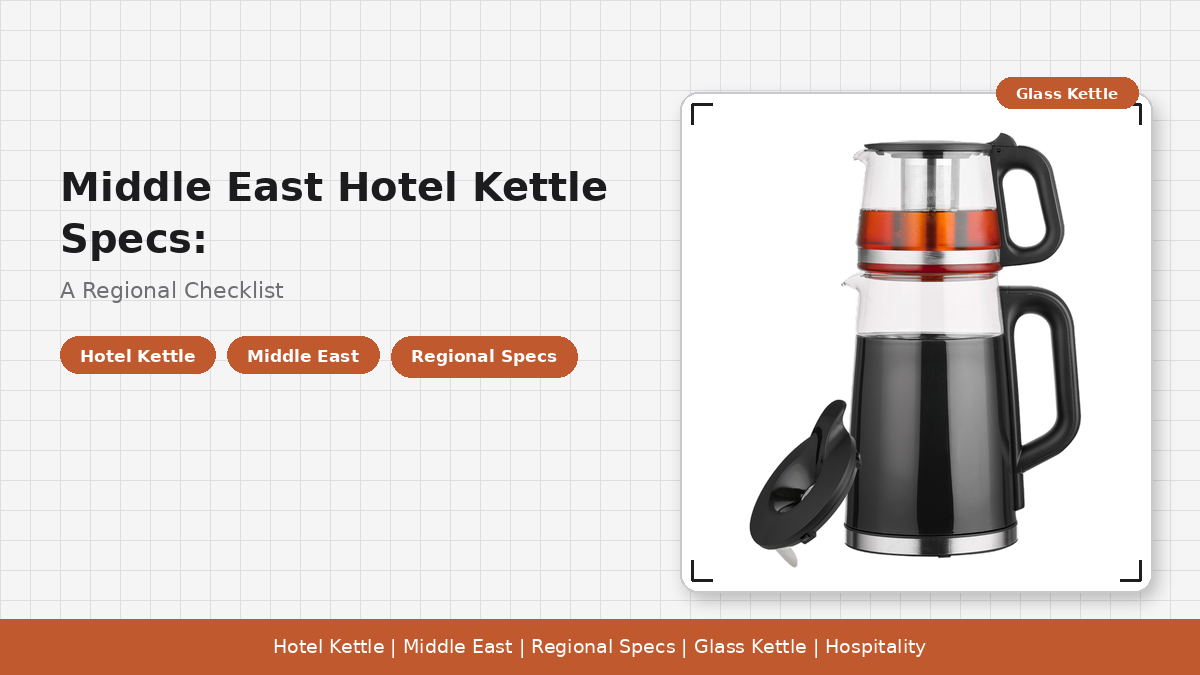
Borosilicate Glass Kettles face a different testing matrix. The primary concern is lead and cadmium release from any decorative coatings, decals, or markings applied to the glass surface, as well as the potential for boron migration from the glass matrix itself. While borosilicate glass is inherently low-risk, procurement teams should require test reports covering the finished assembled product -- including the stainless steel lid, silicone seals, and any printed graduation marks -- rather than relying on raw material certificates alone. TheGoodfriends borosilicate glass double-layer kettle for connoisseurs ships with comprehensive LFGB and FDA test documentation covering the full bill of materials.
The takeaway for procurement professionals: always request and verify test reports for the assembled product, not just the primary vessel material. Compliance gaps most commonly arise in secondary components -- gaskets, adhesives, printed decorations, and lid assemblies.
3. Thermal Performance and Energy Efficiency in Daily Hospitality Operations
In a hotel environment where kettles may be used 8 to 15 times per day in guest rooms and significantly more in executive lounges or breakfast areas, thermal performance translates directly into energy costs and guest satisfaction scores.
The double-wall construction of both material types provides an important safety benefit -- a cool-touch exterior that reduces burn risk for guests. However, the thermal dynamics differ meaningfully between the two materials. Stainless steel is a moderate thermal conductor (thermal conductivity of approximately 16 W/mK for 304 grade), which means heat transfers efficiently from the heating element through the inner wall to the water, while the vacuum or air gap in the double-wall construction insulates the outer surface.
Borosilicate glass has a much lower thermal conductivity (approximately 1.1 W/mK), which means heat transfer from the element to the water is slower. In controlled testing, a 1.0-liter borosilicate glass double-layer kettle typically reaches 95 degrees Celsius in 4.5 to 5.5 minutes on a 1500W element, compared to 3.5 to 4.5 minutes for a similarly configured 304 stainless steel unit. That 15-20% time difference may seem minor in isolation, but across a 150-room hotel property operating at 75% occupancy with an average of 2.1 kettle uses per occupied room per day, the cumulative energy delta over a year can reach 800-1,200 kWh.
Heat retention also favors stainless steel. After reaching boiling point and being switched off, a stainless steel double-layer kettle retains water above 80 degrees Celsius for approximately 12-15 minutes longer than a glass equivalent of the same capacity. For hospitality settings where guests may not pour immediately, this translates into a meaningfully better experience with the stainless steel product.
4. Durability, Lifecycle Cost, and Replacement Economics at Scale
This is where the material comparison becomes most consequential for procurement teams managing multi-property programs. Every kettle that breaks represents not just the cost of the replacement unit, but housekeeping labor for cleanup, potential guest compensation, and the operational disruption of a room being temporarily out of service.
In durability testing, 304 stainless steel double-layer kettles survive repeated 1-meter drop tests onto hard surfaces with cosmetic damage only -- dents, scratches, and minor deformation of the outer wall. The inner wall and heating element typically remain functional. Borosilicate glass, despite its superior thermal shock resistance compared to standard glass, will crack or shatter in approximately 70-80% of 0.8-meter drop tests onto ceramic tile, which is a representative scenario for hotel room environments.
When we model a five-year total cost of ownership for a 200-room hotel property purchasing kettles at OEM volume pricing, the numbers tell a clear story. Assuming a $14-18 per unit acquisition cost for stainless steel and $11-15 for borosilicate glass at MOQ 500 units, the stainless steel option delivers a 18-27% lower total cost when annualized replacement rates of 5-8% for stainless steel and 18-25% for borosilicate glass are factored in, along with the associated housekeeping labor and guest recovery costs estimated at $15-25 per incident.
The breakeven point where stainless steel's higher upfront cost is recovered through lower replacement frequency typically occurs between months 10 and 14, depending on property occupancy and guest demographics. Luxury properties with higher-income demographics may see lower glass breakage rates (closer to 12-15% annually), which narrows the gap but does not eliminate it.
5. Guest Experience, Aesthetic Considerations, and Brand Positioning
Procurement decisions in hospitality are never purely about engineering specifications. The kettle is one of the most visible in-room amenities, and its appearance communicates the property's positioning to guests before they ever pour a cup of water.
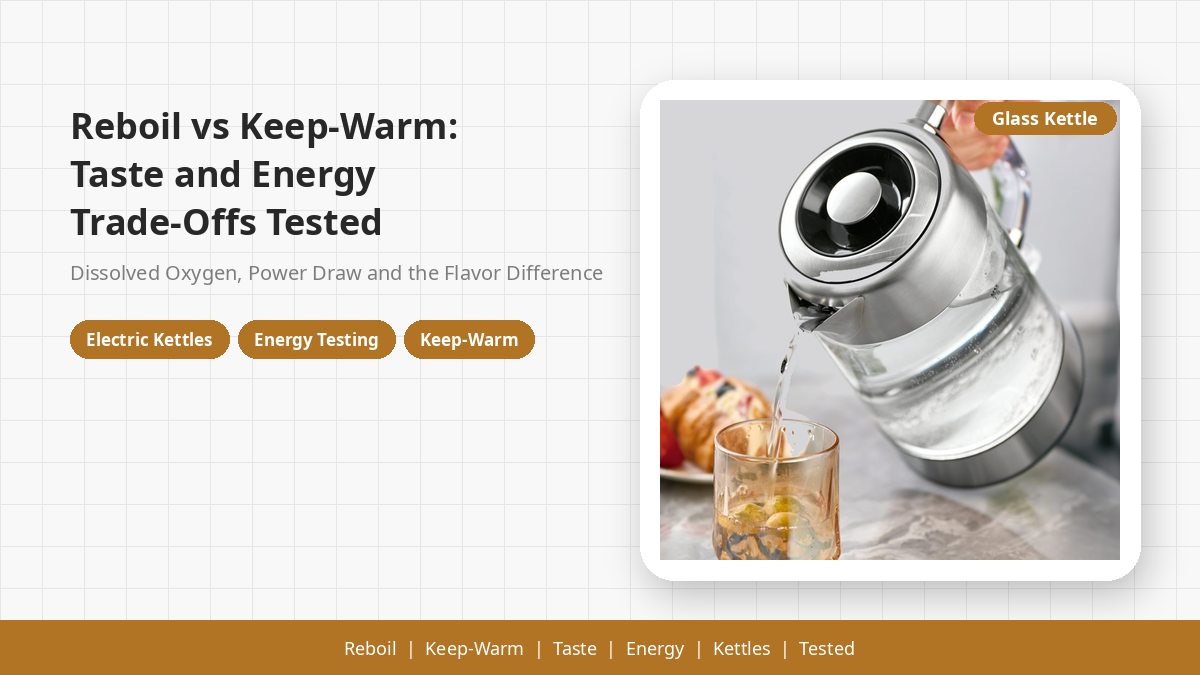
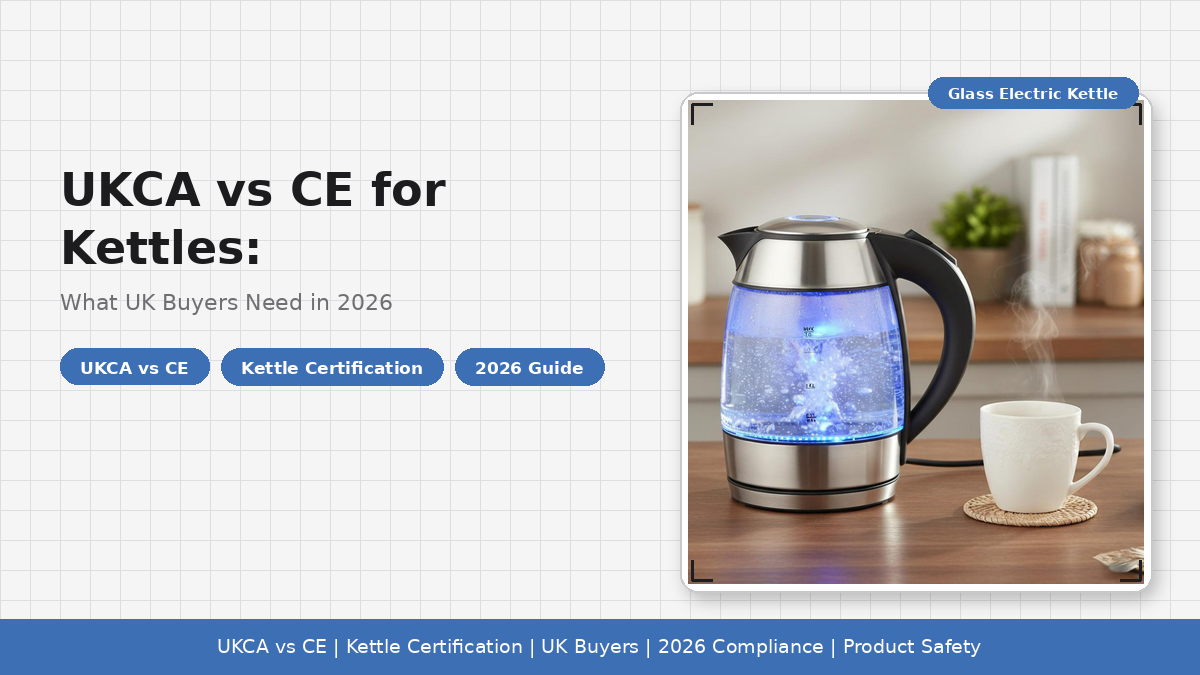
Borosilicate Glass Kettles offer a distinct aesthetic advantage: the ability to see the water as it heats. This visual element -- the gentle convection currents, the progressive formation of small bubbles, and the eventual rolling boil -- creates a sensory experience that many boutique and luxury properties prize. Guests associate visible water clarity with cleanliness and quality, and Glass Kettles reinforce that perception. TheGoodfriends borosilicate glass double-layer kettle is specifically designed for this market segment, with a clean silhouette that photographs well for social media and marketing collateral.
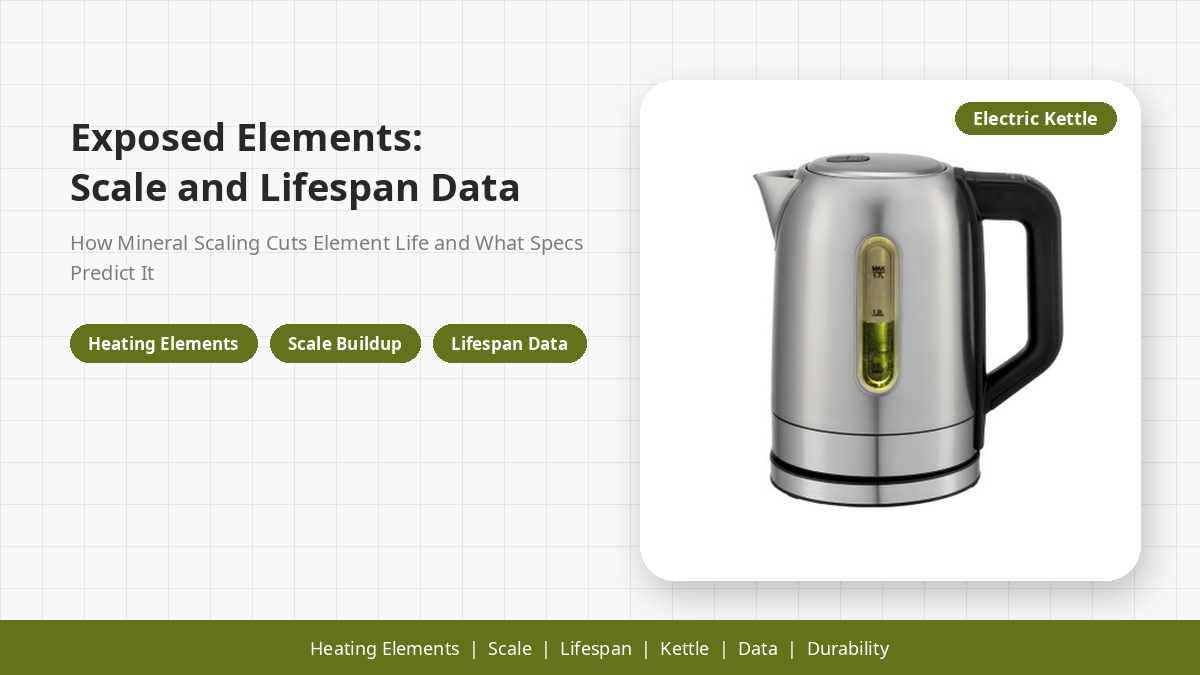
304 Stainless Steel Kettles project a different message: industrial competence, durability, and professional-grade quality. For business hotels, airport properties, and extended-stay brands where the guest prioritizes reliability over visual theater, stainless steel aligns better with brand positioning. The brushed or mirror-polished finish of a well-made stainless steel kettle also ages more gracefully than glass, which can develop a hazy appearance from mineral deposits over time if not regularly descaled.
The practical recommendation for procurement teams is to align the kettle material with the property's brand tier. Budget and mid-range properties should default to stainless steel for cost efficiency. Luxury and boutique properties should consider offering Glass Kettles with a documented 24-month replacement cycle, accepting the higher lifecycle cost as a brand investment. Upscale properties can mix approaches -- stainless steel in standard rooms, glass in suites and premium categories -- to manage cost while preserving the premium guest experience where it matters most.
6. Supply Chain, Manufacturing Quality Control, and OEM Specification Best Practices
Procurement engineers sourcing kettles from Chinese OEM factories -- which manufacture the vast majority of the world's small appliance supply -- should understand the quality control differences between stainless steel and Glass Kettle production lines.
304 Stainless Steel Kettles are manufactured through a stamping, welding, and polishing process. The critical quality control variables are: (1) verification that the steel is genuinely 304 grade and not the cheaper 201 grade, which has higher manganese content and lower corrosion resistance; (2) weld integrity at the inner wall-to-base junction; and (3) consistent wall thickness to ensure uniform heat distribution. Reputable factories like Goodfriends maintain incoming material inspection protocols with XRF (X-ray fluorescence) spectrometer verification of every steel coil batch, and conduct 100% leak testing on finished units before packaging.
Borosilicate glass kettle production involves molding or blowing the glass vessel, followed by annealing in a controlled-temperature kiln to relieve internal stresses. The quality control focus areas are: (1) annealing completeness, which can be verified through polarized light inspection; (2) wall thickness uniformity; (3) absence of micro-inclusions or seed bubbles that could serve as stress concentration points; and (4) dimensional accuracy of the sealing surfaces where the glass meets the lid and base assembly. Glass production has inherently higher reject rates -- typically 8-12% compared to 2-4% for stainless steel -- which is partially reflected in pricing but also means that incoming quality inspection for glass kettles should be more rigorous.
For procurement teams writing RFQ specifications, we recommend including the following requirements regardless of material choice: (a) third-party LFGB or EU 10/2011 test reports dated within 12 months, covering the full bill of materials; (b) material certificates traceable to the specific production batch; (c) 100% functional testing including dry-boil protection and thermostat accuracy; and (d) drop-test sampling per ISTA 2A or equivalent for transit damage prevention.
7. Decision Framework: Matching Material to Property Type and Procurement Strategy
After reviewing the full spectrum of technical, regulatory, financial, and experiential factors, the following decision framework emerges for procurement professionals evaluating 304 stainless steel versus borosilicate glass double-layer kettles:
| Evaluation Criterion | 304 Stainless Steel | Borosilicate Glass |
|---|---|---|
| Service life (hospitality average) | 7-10 years | 3-5 years |
| Annual breakage/replacement rate | 5-8% | 18-25% |
| LFGB/EU 10/2011 compliance risk | Very low | Low (with proper spec) |
| Time to boil (1.0L, 1500W) | 3.5-4.5 min | 4.5-5.5 min |
| 5-year TCO per room (200-room hotel) | $38-52 | $55-78 |
| Guest perception (luxury segment) | Good | Excellent |
| Guest perception (business segment) | Excellent | Good |
| OEM minimum order quantity (typical) | 300-500 units | 500-1000 units |
| Factory reject rate | 2-4% | 8-12% |
| Descaling frequency | Every 60-90 days | Every 30-60 days |
The optimal procurement strategy for most hospitality organizations is to establish 304 stainless steel as the default specification for the majority of their room inventory, while deploying borosilicate glass units selectively in suites, club floors, and premium categories where the visual impact justifies the higher lifecycle cost. This hybrid approach delivers the best balance of guest experience, total cost of ownership, and operational simplicity.
Regardless of material choice, procurement teams should insist on suppliers who can demonstrate a track record of hospitality-specific quality control, provide complete regulatory documentation, and offer flexible MOQ arrangements that support phased rollouts. Working with established manufacturers like Goodfriends -- who maintain dedicated hospitality product lines with full compliance documentation -- eliminates many of the specification risks that arise when general consumer-product factories are tasked with meeting hospitality-grade requirements.
The best procurement decision is not always the cheapest unit price. It is the specification that minimizes total cost per occupied room-night while meeting or exceeding the guest experience standard your brand promises.
Frequently Asked Questions
Q1: Is 304 stainless steel safe for boiling water on a daily basis?
Yes. 304 stainless steel (UNS S30400) is the industry-standard food-grade alloy for hot water applications. Its 18% chromium content forms a passive oxide layer that resists corrosion even under thousands of heating cycles. When tested under LFGB and EU 10/2011 protocols, nickel and chromium migration levels are typically less than 10% of the permissible limits. It is the same grade used in commercial restaurant cookware and food processing equipment worldwide.
Q2: Can borosilicate glass kettles withstand repeated boiling without cracking?
Yes, borosilicate glass is specifically engineered for thermal shock resistance. Its low coefficient of thermal expansion (3.3 x 10⁻⁶ per degree Celsius) allows it to tolerate rapid temperature changes that would shatter ordinary glass. However, it is not immune to mechanical impact. In hospitality environments, the primary failure mode is physical damage from drops or bumps, not thermal fracture. Procurement teams should budget for a 18-25% annual replacement rate in standard hotel operations.
Q3: What is the difference between LFGB and EU 10/2011 testing for kettles?
LFGB is Germany's food and feed code, which sets general safety requirements for food-contact articles. EU Regulation 10/2011 specifically governs plastic materials in food contact, but its migration testing methodologies and thresholds are widely applied by extension to metallic and glass articles through harmonized EN standards. In practice, a kettle that passes LFGB testing at an accredited laboratory like SGS or TUV will also meet EU market requirements. The key is ensuring that test reports cover the complete assembled product, not just the primary vessel material.
Q4: How do I verify that a supplier is actually using 304-grade stainless steel and not a cheaper alternative?
The definitive verification method is XRF (X-ray fluorescence) spectrometer testing of the finished product. This non-destructive analysis confirms the elemental composition of the alloy, including the critical chromium (18-20%) and nickel (8-10.5%) content that defines 304 grade. Reputable manufacturers will provide XRF certificates with each production batch. Procurement teams can also commission independent XRF testing through third-party inspection firms as part of pre-shipment quality audits.
Q5: What is the recommended descaling protocol for each material type in a hotel setting?
For 304 stainless steel kettles, descale every 60-90 days using a citric acid solution (20g per liter of water) or a commercial descaling agent. For borosilicate glass kettles, descale every 30-60 days, as mineral deposits are more visible on glass and can affect the aesthetic presentation that guests expect. Both materials should be rinsed thoroughly with clean water after descaling. Housekeeping SOPs should include descaling as a standard room-turnover task on a rotating schedule.
Q6: Can we mix stainless steel and glass kettles within the same property?
Absolutely, and this is increasingly the recommended approach. Many procurement teams deploy 304 stainless steel kettles in standard and superior room categories for durability and cost efficiency, while placing borosilicate glass kettles in suites, executive rooms, and lounge areas where the premium visual presentation aligns with the elevated room product. This hybrid strategy optimizes total cost of ownership while preserving the guest experience differentiation that justifies premium room pricing.