
 0086-574-62518288


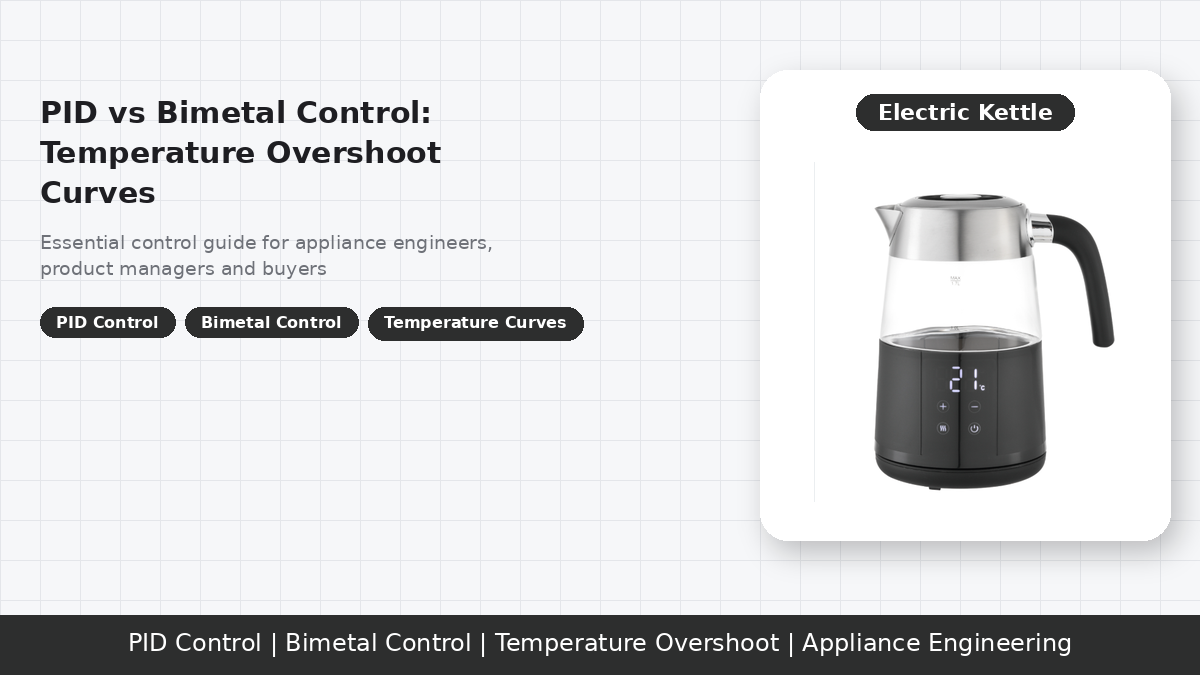
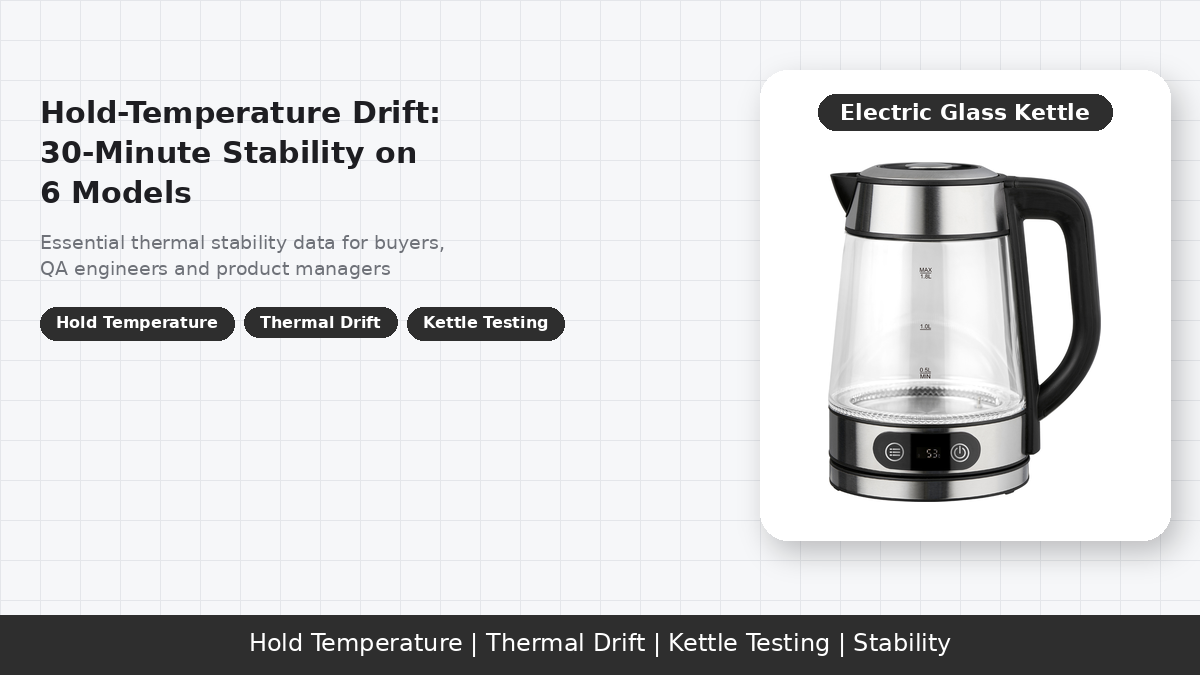
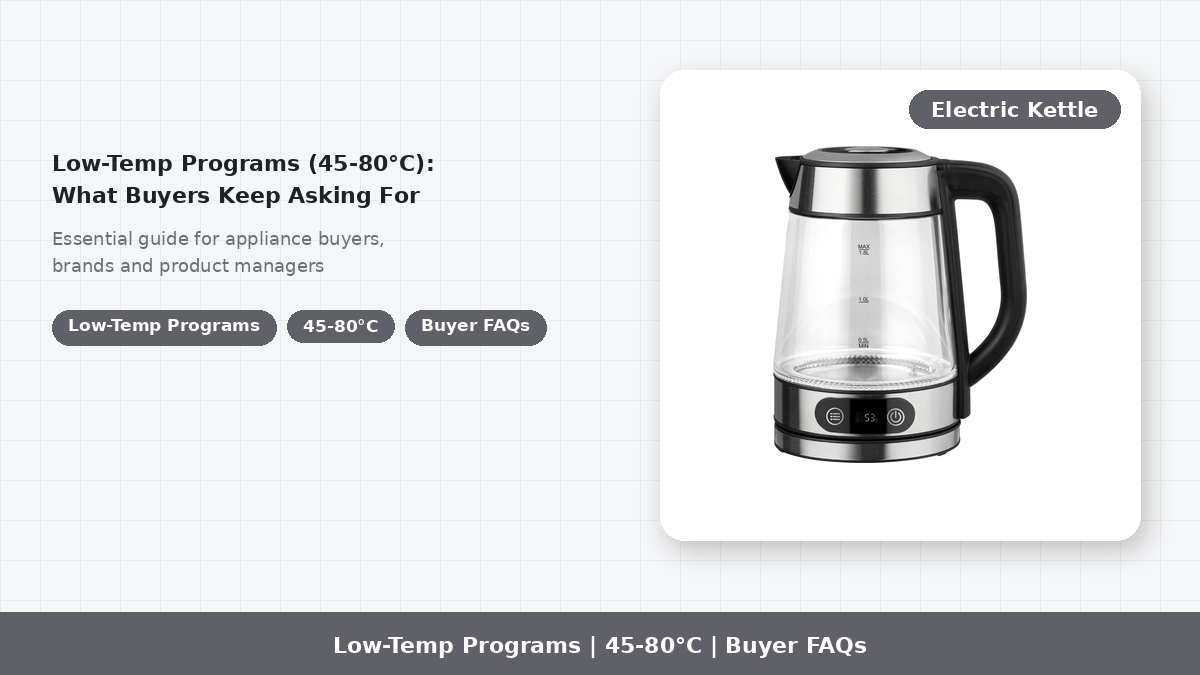
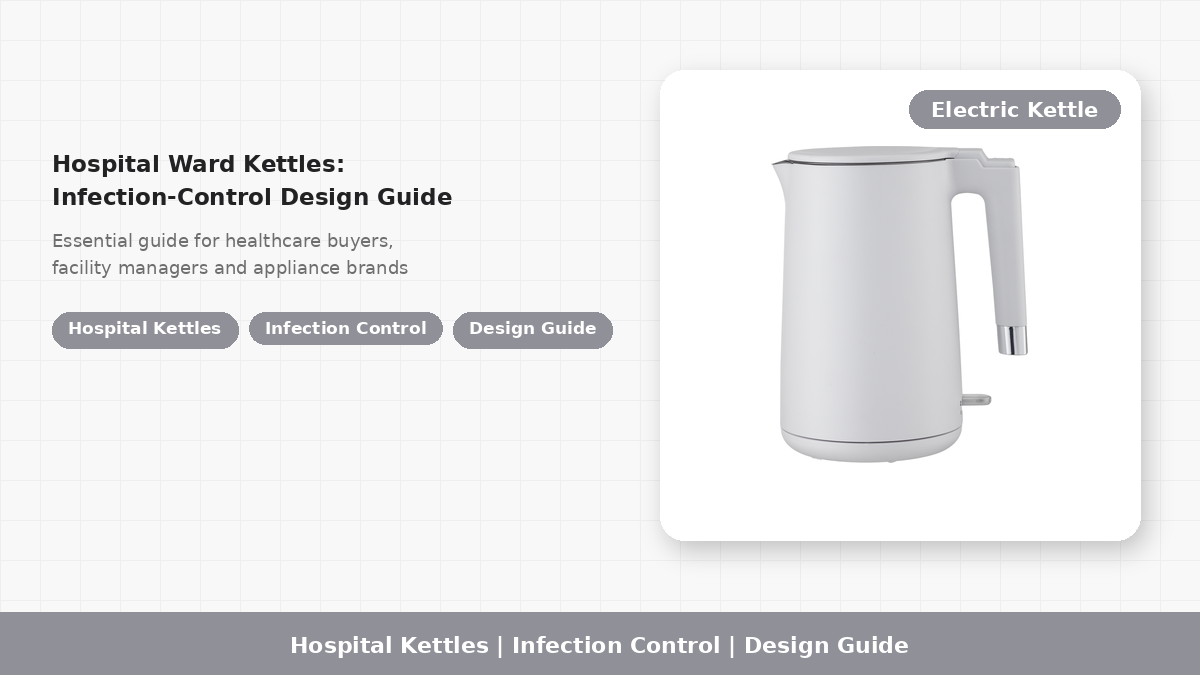
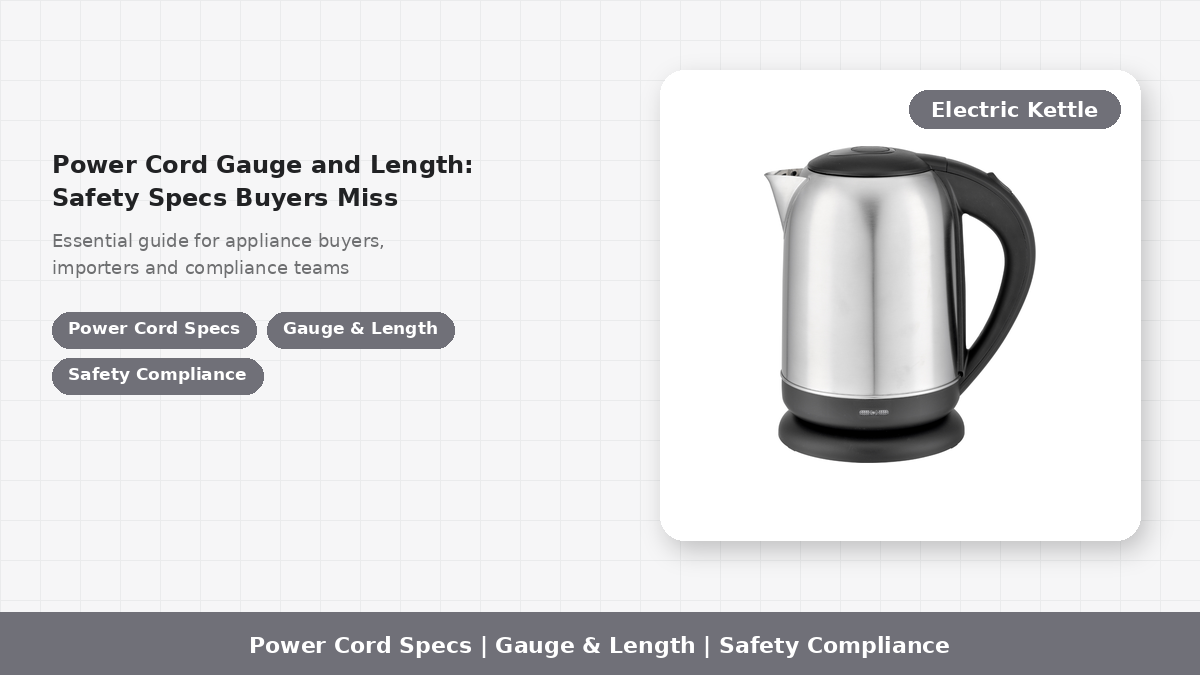
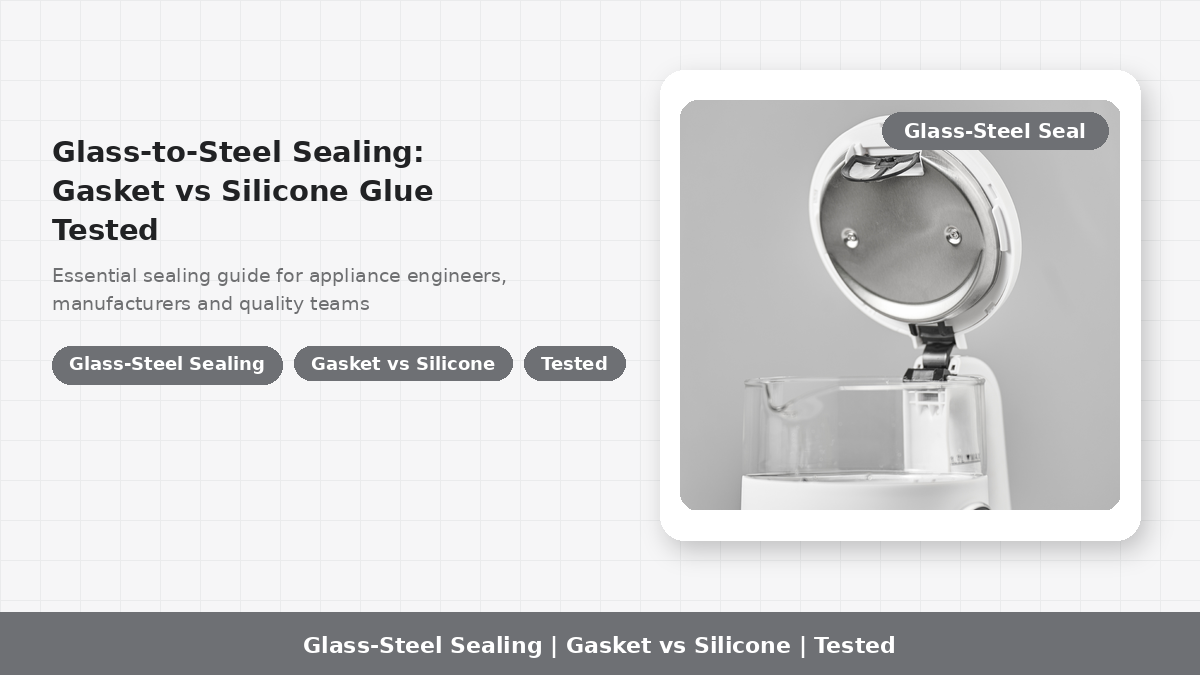
If your sourcing specification for a Plastic Electric Kettle stops at "BPA-free," you are leaving critical quality, compliance, and liability gaps wide open. The label "BPA-free" addresses a single chemical concern in a material system that involves dozens of variables: resin type, stabilizer package, colorant chemistry, processing aids, and migration limits under real-world boiling conditions. This article provides the material-level checklist that experienced importers use when evaluating plastic kettles for European, North American, and Asia-Pacific markets.
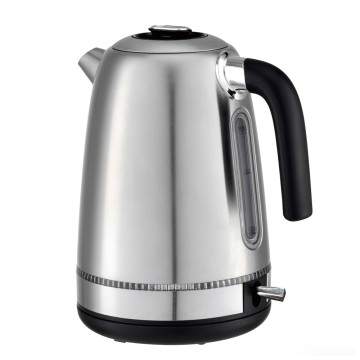
1. Why "BPA-Free" Is the Starting Line, Not the Finish Line
Bisphenol A (BPA) gained global notoriety as an endocrine disruptor found in polycarbonate plastics and epoxy linings. Regulatory actions by the U.S. Food and Drug Administration (FDA) and the European Food Safety Authority (EFSA) have driven most kettle manufacturers to eliminate BPA from their formulations. However, "BPA-free" tells you nothing about what replaced BPA, whether the substitute is itself safe under boiling-water conditions, or whether the full plastic system meets food-contact migration limits.
For B2B buyers, the real question is: Does the entire material stack -- resin, stabilizers, colorants, mold-release agents, and any recycled content -- comply with the food-contact regulations of your target market?
2. Base Resin Identification: Which Plastic Are You Actually Getting?
The base resin determines the fundamental thermal stability, chemical resistance, and migration profile of a kettle body. The most common resins used in Plastic Electric Kettles are:
- Polypropylene (PP): The most widely used resin for kettle bodies. PP has a melting point around 160-170 degrees Celsius, well above boiling water temperatures. It offers good chemical resistance and low migration potential. Resin identification code 5.
- Tritan Copolyester (Eastman): A BPA-free copolyester that offers glass-like clarity. Originally marketed as a BPA-free alternative to polycarbonate. Note that Tritan has faced its own scrutiny regarding estrogenic activity in independent studies.
- Polycarbonate (PC) -- BPA-containing: Historically used for clear, durable kettle components. Increasingly avoided due to BPA content. Still appears in some lower-cost supply chains.
- ABS (Acrylonitrile Butadiene Styrene): Sometimes used for kettle lids and handles rather than the water-contact body.
Buyer action: Request a material safety data sheet (MSDS) and a Certificate of Analysis (CoA) identifying the specific resin grade, manufacturer, and grade number. A generic "PP" claim without a named supplier (e.g., LyondellBasell, SABIC, Braskem) is insufficient.
3. Understanding Resin Codes and What They Mean for Kettles
The resin identification code (RIC) stamped on plastic products tells you the polymer family, not the full formulation. For kettles:
| Resin Code | Polymer | Common Use in Kettles | Key Concern |
|---|---|---|---|
| 5 (PP) | Polypropylene | Kettle body, lid | Verify food-contact grade; watch for recycled PP contamination |
| 7 (Other) | Tritan, SAN, PC blends | Clear bodies, lids | Requires specific identification; "7" is a catch-all category |
| 2 (HDPE) | High-density polyethylene | Occasionally used in base components | Lower heat resistance than PP; verify continuous boiling suitability |
Resin code 7 is the most problematic for buyers because it groups multiple chemistries. If your supplier quotes resin code 7, demand the exact polymer name and trade name.
4. Additive Package: The Hidden Chemistry Inside "BPA-Free" Plastic
Resin alone is never the final product. Manufacturers add a range of performance additives during compounding:
- Antioxidants: Prevent thermal degradation during molding and use. Common types include Irganox 1010 and Irganox 1076. These are generally well-studied, but migration limits exist.
- UV stabilizers: Protect against discoloration. Hindered amine light stabilizers (HALS) are common. Verify they are approved for food contact.
- Nucleating agents: Improve crystallization in PP. Some (like certain organophosphates) have faced regulatory scrutiny.
- Slip agents and mold-release compounds: Facilitate manufacturing but can migrate into water. Stearamide and erucamide are typical; their migration limits under EU Regulation 10/2011 must be confirmed.
- Colorants and pigments: The most variable component. Cadmium-based and lead-based pigments are restricted under EU Regulation 10/2011 on plastic food-contact materials. Request pigment declarations from the colorant supplier, not just the kettle manufacturer.
Buyer action: Request the full additive declaration. A supplier who says "food-grade plastic" without disclosing the additive package is operating on trust, not evidence.
5. Migration Testing: The Only Way to Verify Safety Under Real Conditions
Migration testing measures the quantity of chemicals that transfer from the plastic into food (or in this case, water) under defined conditions. Two types matter:
- Overall migration limit (OML): EU regulation caps this at 10 mg/dm squared. FDA uses a different calculation framework but the principle is the same.
- Specific migration limits (SML): These apply to individual substances. For example, BPA has a specific migration limit of 0.05 mg/kg under the most recent EFSA reassessment.
For kettles, migration testing should be conducted at boiling temperature (100 degrees Celsius) for the intended contact duration. Room-temperature migration data is irrelevant for a product that boils water.
Buyer action: Request migration test reports from accredited laboratories (e.g., SGS, Bureau Veritas, TUV). The test should reference your target regulation (EU 10/2011, FDA 21 CFR 174-186, or GB 4806.7 for China).
6. EU Regulatory Framework: Regulation 10/2011 and Beyond
The European Union's Regulation (EU) No 10/2011on plastic materials and articles intended to come into contact with food is the most comprehensive framework globally. Key requirements for Plastic Kettles include:
- Positive list of authorized monomers and additives
- Overall migration limit of 10 mg per square decimeter
- Specific migration limits for individual substances
- Declaration of Compliance (DoC) required at each stage of the supply chain
- Traceability requirements per Regulation (EC) No 1935/2004
In 2024, EFSA published a significantly revised scientific opinion on BPA, lowering the tolerable daily intake by a factor of approximately 20,000. This revision has downstream implications for migration limits and may tighten further. Suppliers using BPA-free materials should still demonstrate compliance with the latest thresholds.
7. FDA Framework: 21 CFR Food-Contact Regulations
In the United States, food-contact plastics are regulated under FDA's Food Contact Substance notification program and the relevant sections of 21 CFR Parts 174 through 186. Key considerations:
- Food-contact notifications (FCN) must be on file for polymeric additives used above threshold levels
- Extractives testing under intended use conditions is required
- California Proposition 65 adds an additional layer for substances like BPA, requiring warnings if exposures exceed safe harbor levels
Buyer action: Verify that the resin and additive suppliers have valid FDA FCN listings. Cross-reference with California Prop 65 requirements if selling into the U.S. market.
8. Beyond BPA: Other Chemicals of Concern in Plastic Kettles
BPA dominates headlines, but several other substances warrant attention in Plastic Kettle materials:
- BPS (Bisphenol S) and BPF (Bisphenol F): Used as BPA replacements in some formulations. Emerging research suggests similar endocrine-disrupting potential. A 2020 review in Environment International found that BPS exhibited estrogenic activity comparable to BPA in certain assay systems.
- Phthalates: Primarily a concern in PVC and flexible plastics, but cross-contamination in recycled resin streams can introduce them into PP or Tritan kettles.
- Formaldehyde: Can be released from certain melamine-formaldehyde resins. Not typically used in kettle bodies, but check lids and handles.
- Heavy metals (antimony, lead, cadmium): Present in some catalyst residues and pigments. Antimony trioxide is used as a catalyst in PET production and can appear in recycled feedstock.
- Flame retardants: Not required in kettles, but contamination in recycled resin is a known risk. Brominated flame retardants are particularly concerning.
Buyer action: Request a full restricted substance list (RSL) compliance declaration covering not just BPA but all chemicals of concern for your target market.
9. Recycled Content in Plastic Kettle Components: Risks and Verification
As sustainability pressures increase, some suppliers incorporate recycled PP or recycled Tritan into kettle components. While environmentally commendable, recycled content introduces risks:
- Unknown prior-use history and potential contamination
- Previous migration test results may not apply to recycled feedstock
- Batch-to-batch variability is significantly higher than with virgin resin
- EU Regulation 2022/1616 sets specific requirements for recycled plastic in food contact
Buyer action: If recycled content is used, demand: (1) the recycling process type (mechanical vs. chemical), (2) food-contact authorization of the recycling process, and (3) migration testing on the specific recycled-content lot.
10. Colorant and Decorative Finish Safety: Patterned Kettles Require Extra Due Diligence
Decorative patterns, UV-printed designs, and multi-color kettle bodies add aesthetic appeal -- and complexity. Each decorative layer is a separate material system that must comply independently.
- In-mold labeling (IML): The label film and ink must be food-contact compliant if the decorated surface contacts water or steam.
- Pad printing and UV printing: Ink systems may contain photoinitiators, monomers, and pigments that migrate under heat. Each ink component needs regulatory clearance.
- Electroplated or metallized finishes: Typically applied to exterior surfaces only. Verify that no metal layer is in water-contact areas.
For buyers sourcing decorative Plastic Kettles, we recommend specifying that all exterior decorative materials also comply with food-contact standards, even if they are nominally "non-contact," because steam and splashing can transfer substances from exterior to interior surfaces during use. This is especially relevant for buyers considering aBPA-free patterned plastic kettle where multiple material layers converge.
11. Supplier Documentation Checklist: What to Request Before Placing an Order
The following documents should be on file before you approve a Plastic Kettle supplier. Use this as your procurement checklist:
| # | Document | Issued By | Frequency |
|---|---|---|---|
| 1 | Material Safety Data Sheet (MSDS/SDS) for resin | Resin manufacturer | Per resin grade |
| 2 | Certificate of Analysis (CoA) for resin lot | Resin manufacturer or compounder | Per production lot |
| 3 | Additive declaration with CAS numbers | Compounder or kettle manufacturer | Per formulation |
| 4 | Overall migration test report | Accredited laboratory (SGS, TUV, Bureau Veritas) | Per product line |
| 5 | Specific migration test report for regulated substances | Accredited laboratory | Per product line |
| 6 | Declaration of Compliance (DoC) | Kettle manufacturer | Per product line, updated with formulation changes |
| 7 | Restricted Substance List (RSL) compliance certificate | Kettle manufacturer | Annual |
| 8 | FDA FCN listing reference or EU Authorization reference | Resin/additive manufacturer | Per ingredient |
| 9 | Factory audit report (food-contact production line) | Third-party auditor or buyer QC team | Annual |
| 10 | Declaration of recycled content (if applicable) | Kettle manufacturer | Per production lot |
12. Factory Audit Considerations: What to Look for Beyond Paper
Documentation alone is not sufficient. A factory audit should verify:
- Cross-contamination controls: Are food-contact parts manufactured and stored separately from non-food-contact items?
- Colorant and additive storage: Are masterbatch containers labeled with batch numbers and food-contact compliance status?
- Regregrind controls: Is in-house regrind (sprue and runner material) limited to the same formulation? Is regrind ratio documented and controlled?
- Cleaning validation: Are molds cleaned between color changes to prevent cross-contamination of pigment systems?
- Traceability: Can the factory trace a finished kettle back to the specific resin lot, colorant batch, and production date?
When evaluating a plastic electric kettle series for your product line, insist on a factory visit or third-party audit that covers these points. Reputable manufacturers will welcome this level of scrutiny because it differentiates them from competitors who cut corners.
13. Tritan vs. PP: A Material Comparison for Kettle Applications
Many importers ask whether Tritan or PP is the better choice for Plastic Kettles. The answer depends on your market positioning and compliance requirements:
| Criterion | PP (Polypropylene) | Tritan (Copolyester) |
|---|---|---|
| Clarity | Opaque to translucent | Glass-clear |
| Heat resistance | Excellent (HDT up to 110C) | Good (HDT around 100C) |
| Chemical resistance | Excellent | Good |
| BPA content | None (by formulation) | None (by formulation) |
| Third-party safety data | Decades of food-contact history | Some independent studies have raised questions about estrogenic activity; manufacturer disputes findings |
| Cost | Lower | Higher |
| Recyclability | Widely recyclable (code 5) | Limited recycling infrastructure |
For markets where consumer transparency and long regulatory track records are paramount, PP remains the more defensible choice. Tritan offers a compelling aesthetic advantage for premium positioning. We recommend a site like plastic kettles for safety-conscious venues to explore how different material options serve different deployment contexts.
14. Regional Variations: China GB Standards, LFGB, and Beyond
Beyond EU and U.S. regulations, B2B buyers exporting to global markets must account for regional standards:
- China GB 4806.7-2016: National standard for food-contact plastics. Requires migration testing and a positive list of authorized substances. Many domestic Chinese manufacturers comply by default, but verify with documentation.
- Germany LFGB (Lebensmittel- und Futtermittelgesetzbuch): Often considered more stringent than EU-wide regulation. Requires additional sensory testing (odor and taste transfer) in addition to chemical migration limits.
- Japan Food Sanitation Act: Positive list system for synthetic resins. Requirements for positive list compliance differ from the EU.
- South Korea MFDS regulations: Positive list approach with specific migration testing requirements.
Buyer action: Provide your supplier with the complete list of target-market regulations at the quoting stage. Compliance testing costs vary significantly by regulation, and this should be factored into the landed cost calculation.
15. Red Flags When Evaluating Plastic Kettle Suppliers
Based on common patterns observed in the small appliance sourcing industry, watch for these warning signs:
- "BPA-free" is the only safety claim offered with no supporting test reports or regulatory references.
- Migration test reports are dated more than two years ago or reference only room-temperature conditions.
- The supplier cannot name the resin manufacturer or grade and instead offers vague assurances of "food-grade material."
- Colorant declarations are absent or the supplier treats the pigment formulation as proprietary information.
- The factory uses the same production line for food-contact and non-food-contact products without documented cleaning procedures.
- Recycled content is undisclosed or the supplier is unaware of the recycled content in their feedstock.
Any one of these red flags should trigger additional due diligence before committing to a supply relationship.
16. Practical Tips for Building Your Material Specification Document
A robust material specification for a Plastic Kettle should include the following sections:
- Polymer specification: Trade name, grade, manufacturer, melt flow index range
- Additive requirements: Approved list of stabilizers, colorants, and processing aids with CAS numbers
- Prohibited substances: BPA, BPS, BPF, phthalates (specify which), heavy metals above threshold, SVHC substances under REACH
- Migration limits: OML and SML values with reference regulation
- Test method and conditions: Temperature, contact time, simulant (water for kettles), accredited lab requirement
- Documentary requirements: Full list from Section 11 above
- Change control: Supplier must notify buyer of any formulation change and re-test before shipping
This specification becomes part of your purchase contract and protects both parties by setting clear, measurable expectations.
Frequently Asked Questions
Q1: Does BPA-free mean a plastic kettle is completely safe?
No. "BPA-free" means only that the specific chemical bisphenol A has been removed or was never included in the formulation. It does not guarantee safety from other chemicals that may migrate into boiling water, nor does it confirm compliance with food-contact regulations in your target market. Always request migration testing data covering overall and specific migration limits at boiling temperature.
Q2: Which plastic resin is safest for electric kettles?
Food-grade polypropylene (PP) is generally considered the most proven and well-characterized resin for electric kettles. It has a long history of food-contact use, excellent heat resistance, and a well-understood regulatory profile. Tritan copolyester is an alternative for clear-body designs but has less regulatory and independent safety data compared to PP.
Q3: What migration test should I require from my kettle supplier?
Request overall migration testing (OML) and specific migration testing for any substance with a defined specific migration limit (SML) under your target regulation. For EU markets, testing should reference EU Regulation 10/2011 and be conducted at 100 degrees Celsius with aqueous food simulant. For U.S. markets, reference FDA 21 CFR 174-186. Use accredited laboratories such as SGS, Bureau Veritas, or TUV.
Q4: Are BPA replacements like BPS and BPF safe?
The safety of BPA replacements is still under active investigation. A 2020 review published in Environment International found that some bisphenol analogs, including BPS, showed endocrine-disrupting properties similar to BPA. The precautionary approach is to specify that no bisphenol analogs (BPA, BPS, BPF, BPAF) should be present in food-contact materials.
Q5: Can recycled plastic be used safely in electric kettles?
Recycled plastic can be used, but it requires additional verification. Under EU Regulation 2022/1616, only authorized recycling processes may be used for food-contact recycled plastics. You should demand proof of the recycling process authorization, plus migration testing on the specific recycled-content lot. Mechanical recycling of post-consumer PP for food-contact applications remains challenging from a contamination-control standpoint.
Q6: How often should migration testing be repeated for a plastic kettle product line?
Migration testing should be repeated whenever there is a change in resin supplier, resin grade, colorant formulation, or additive package. In the absence of changes, annual re-testing is good practice. Some retailers and importers require testing with every new production lot or at minimum once per year. Document the testing frequency in your quality agreement with the supplier.