
 0086-574-62518288


Industry News
0102030405
Electric Kettle Export Certification — CE, UL, and GCC Requirements for Chinese Household Appliance Manufacturers
2026-07-01
We at GOODFRIENDS have manufactured Electric Kettles for export markets since 2008, with over 3 million Electric Kettles supplied annually to importers, kitchenware distributors, and retail chains in the EU, US, Middle East, and Southeast Asia. In this article, we explain the export certification requirements that electric kettle buyers need to understand when sourcing from Chinese manufacturers, and we share what we have learned about the certification process, documentation requirements, and compliance maintenance obligations.
Why We Decided to Write an Export Certification Guide for Electric Kettle Buyers
We at GOODFRIENDS have been manufacturing Electric Kettles for export markets since 2008, and over that time we have helped hundreds of international kitchenware importers and household goods distributors navigate the certification requirements for electric kettle imports into their target markets. We have found that the certification process is one of the most confusing and often most frustrating aspects of international product sourcing for buyers who are new to importing from China, because the certification landscape involves multiple regulatory frameworks, multiple testing standards, and multiple documentation requirements that interact in ways that are not always intuitive. We decided to write this guide because we believe that buyers who understand the certification requirements before they begin the sourcing process make better purchasing decisions and avoid the costly and time-consuming certification problems that can derail otherwise successful procurement programs.
We have found that the certification confusion falls into three main categories. First, many buyers do not understand the difference between a test report and a certification, and they do not realize that a test report from a Chinese laboratory is not equivalent to a CE marking or UL listing that is recognized by market surveillance authorities. Second, many buyers do not understand that certifications are product-specific and do not automatically transfer from one product model to another, even within the same product category. Third, many buyers do not understand that certifications have expiration dates and renewal requirements, and they discover after the fact that the products they imported are technically non-compliant because the certification had lapsed.
We have structured our business around making the certification process as transparent and manageable as possible for our international customers, because we have found that the certification experience is one of the most significant factors in whether customers choose to continue working with us after their initial order. We provide complete certification documentation packages with every export shipment, we maintain certifications proactively so that customers do not face lapses, and we help customers understand what certifications their specific products need for their specific markets before they commit to purchasing.
EU Market Certification Requirements for Electric Kettles
We at GOODFRIENDS hold CE marking for our electric kettle products under three applicable EU directives that cover the safety, electromagnetic compatibility, and hazardous substance content requirements that Electric Kettles must meet for market access in EU member states. The Low Voltage Directive 2014/35/EU covers the electrical safety requirements for household appliances operating within voltage ranges that include the 220 to 240 volt AC supplies used in European markets, and it requires that Electric Kettles be designed and manufactured to prevent electrical shock hazards, burn hazards, and fire hazards under normal operating conditions and foreseeable misuse conditions. We have our Electric Kettles tested against the harmonized European standard EN 60335-2-15, which provides the specific test requirements and pass criteria for household liquid heating appliances.
We additionally hold the Electromagnetic Compatibility Directive 2014/30/EU certification for our Electric Kettles, which requires that the appliances do not emit electromagnetic interference that exceeds the specified limits and that they are immune to electromagnetic interference from external sources. We have found that the EMC testing is often overlooked by buyers who focus primarily on the electrical safety aspects of CE marking, but EMC non-compliance is a legitimate reason for market surveillance authorities to remove products from the market, and it is one of the most common reasons for customs clearance problems in EU imports. We test our Electric Kettles for both conducted and radiated electromagnetic emissions and for immunity to electrostatic discharge, radio frequency interference, and electrical fast transient disturbances.
We hold the RoHS Directive 2011/65/EU (and its subsequent amendments) certification for our Electric Kettles, which restricts the use of six hazardous substances including lead, mercury, cadmium, hexavalent chromium, polybrominated biphenyls, and polybrominated diphenyl ethers in electrical and electronic equipment sold in EU markets. We additionally hold LFGB food contact material certification for the kettle inner pot and all surfaces that contact water or food, which is the German food contact standard that is recognized as the most stringent food contact material standard in the EU market. We have found that LFGB certification is particularly important for kitchenware buyers who distribute to German and Austrian markets where LFGB certification is explicitly required by retailers.
US Market Certification Requirements for Electric Kettles
We at GOODFRIENDS hold UL certification for our Cordless Electric Kettle products under UL 60335-2-15, which is the applicable UL standard for household heating appliances for liquids that is recognized by US market surveillance authorities as the primary safety standard for electric kettles sold in the United States. We have found that UL certification is not legally required for products sold in the US market in the same way that CE marking is required in the EU, but the practical reality is that US retailers, e-commerce platforms, and import customs authorities almost universally require UL certification or an equivalent nationally recognized testing laboratory certification before accepting shipment of electrical appliances. We have structured our US market program around UL certification specifically because it is the most widely recognized and accepted certification in the US market.
We have established a working relationship with UL's authorized testing laboratory in Shenzhen, which allows us to have our electric kettle products tested and certified without shipping samples to UL's US laboratories. We have found that this local testing arrangement significantly reduces the time and cost of the certification process compared to the traditional approach of testing through US-based laboratories. We maintain UL certification for our standard electric kettle product line, and we can extend existing certifications to new kettle models that use the same core design and electrical components through UL's derivative certification process, which is faster and less expensive than obtaining a new certification from scratch.
We provide the UL listing file number, the factory inspection report, and the follow-up service protocol documentation with every UL-certified electric kettle shipment to US market customers. The UL listing file number allows customers and market surveillance authorities to verify the certification status of our products through UL's online database. The factory inspection report documents that UL has verified our manufacturing facility against UL's quality system requirements. The follow-up service protocol describes the ongoing verification testing that UL requires to maintain certification, which we conduct at regular intervals as specified by UL's certification agreement.
Middle Eastern and African Market Certification Requirements
We at GOODFRIENDS hold SASO certification and Gulf Cooperation Council (GCC) conformity mark for our electric kettle products, which are required for market access in Saudi Arabia and all other GCC member states including the UAE, Kuwait, Bahrain, Qatar, and Oman. The GCC conformity mark indicates that our Electric Kettles have been assessed against the relevant GSO (Gulf Standards Organization) standards and found to comply with the applicable safety, electromagnetic compatibility, and energy efficiency requirements for household appliances sold in GCC markets. We have found that the GCC conformity assessment process is similar in structure to the CE marking process but with GSO standards that may differ in specific technical requirements from the European harmonized standards, which means products that are CE-marked are not automatically GCC-compliant without additional testing and documentation.
We additionally hold SONCAP certification for our electric kettle products for the Nigerian market, which is required under Nigeria's Standards Organization conformity assessment program before electrical appliances can be imported into Nigeria. We have found that the SONCAP process requires product testing at SONCAP-accredited laboratories and the issuance of a Product Certificate and a SONCAP Certificate for each shipment, which creates a more complex documentation requirement than either CE or UL certification alone. We have established relationships with SONCAP-accredited testing laboratories that allow us to obtain SONCAP product certificates within 20 working days of receiving a product specification for a new kettle model, and we maintain SONCAP certification for our full electric kettle product line.
We hold SABS certification for our Electric Kettles for the South African market under the South African Bureau of Standards requirements for household appliances, which is required for market access in South Africa. We have found that the South African market has particularly strict requirements for proof of origin documentation and for the electromagnetic compatibility test reports that accompany the SABS certification application. We have maintained SABS certification for our electric kettle products for over eight years, and we have extensive experience with the South African regulatory requirements that affect household appliance imports.
Frequently Asked Questions About Electric Kettle Export Certification from GOODFRIENDS
We are a kitchenware importer in Germany sourcing electric kettles from Chinese manufacturers — what CE certification does GOODFRIENDS hold?
We at GOODFRIENDS hold CE marking for our electric kettles under the Low Voltage Directive 2014/35/EU, the Electromagnetic Compatibility Directive 2014/30/EU, and the RoHS Directive 2011/65/EU. We additionally hold LFGB food contact material certification for the kettle inner pot and water contact surfaces. We provide the CE declaration of conformity, third-party laboratory test reports, and LFGB food contact declaration with every EU shipment. Our CE-certified electric kettles are tested to EN 60335-2-15 by an accredited European testing laboratory.
What UL certification does GOODFRIENDS hold for electric kettle exports to the US market?
We at GOODFRIENDS hold UL certification under UL 60335-2-15 for our cordless electric kettle products, tested through UL's authorized laboratory in Shenzhen. We provide the UL listing file number, factory inspection report, and follow-up service protocol with every US shipment. We maintain UL certification proactively and renew annually, so our customers do not face certification lapse issues. We can extend existing UL certifications to new kettle models that use the same core electrical components through UL's derivative certification process.
We are a household goods distributor in Saudi Arabia importing electric kettles — what SASO/GCC certification does GOODFRIENDS hold?
We at GOODFRIENDS hold SASO certification and GCC conformity mark for our electric kettle products, required for market access in Saudi Arabia and all other GCC member states. We test through SASO-approved laboratories and maintain the SASO conformity certificate and GCC documentation required for GCC customs clearance. We can provide SASO certificates within 30 days of receiving a product specification for a new kettle model. We additionally hold SONCAP certification for Nigeria, SABS certification for South Africa, and can provide the documentation required for most international market entry requirements.
How to Start Your Electric Kettle Import Partnership with GOODFRIENDS
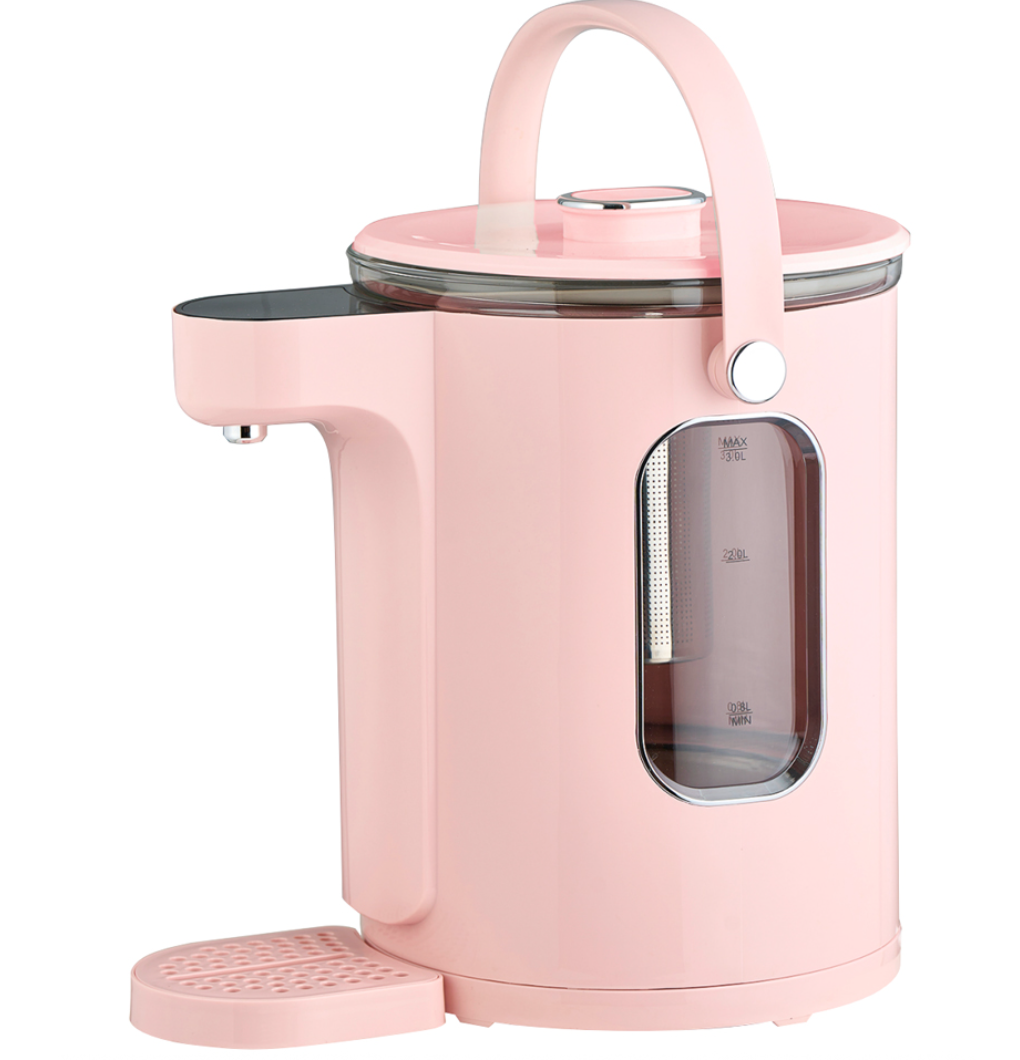
We invite kitchenware importers and household goods distributors to contact our international sales team to discuss electric kettle certification requirements for your specific target markets. We can provide the complete certification documentation package for review before order confirmation, including test reports, certificates, and factory inspection reports. You can reach our team through our product catalog, browse our automatic water dispensing kettle, or contact us directly for certification documentation and product specification discussions. The EU CE marking requirements and ISO 9001 quality management standards provide the framework that international kitchenware buyers should use when evaluating electric kettle suppliers for market access. The FDA food contact material safety regulations establish the compliance benchmarks for electric kettles used in food preparation environments in the North American market.