
 0086-574-62518288


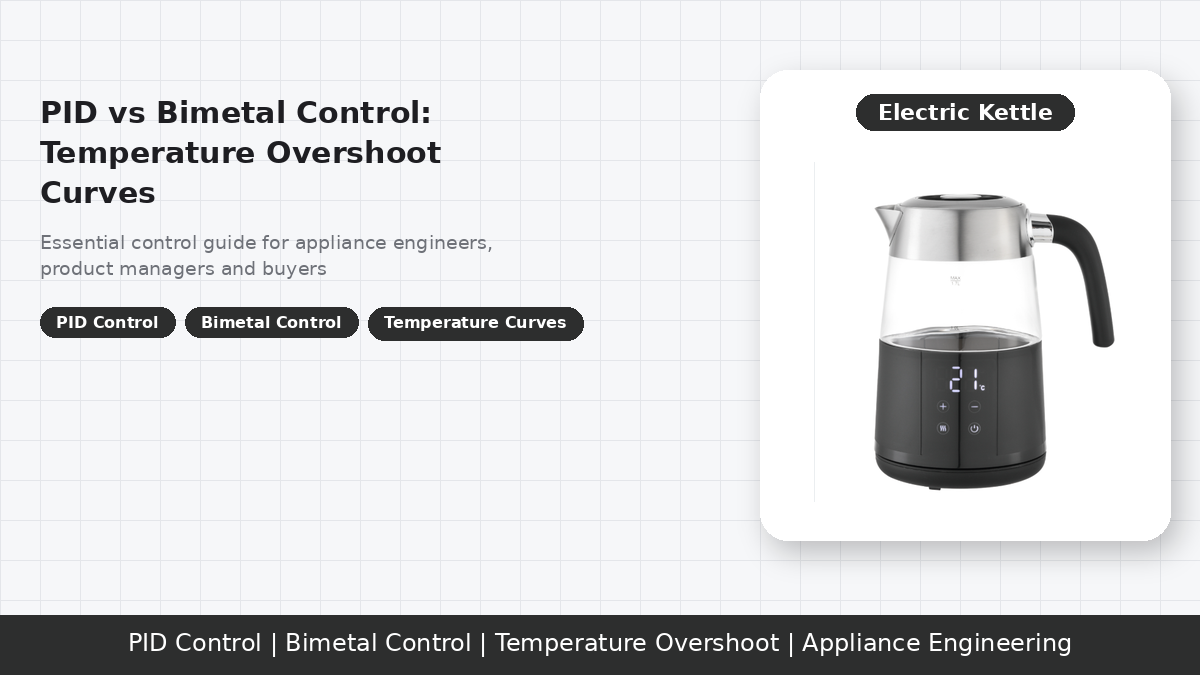
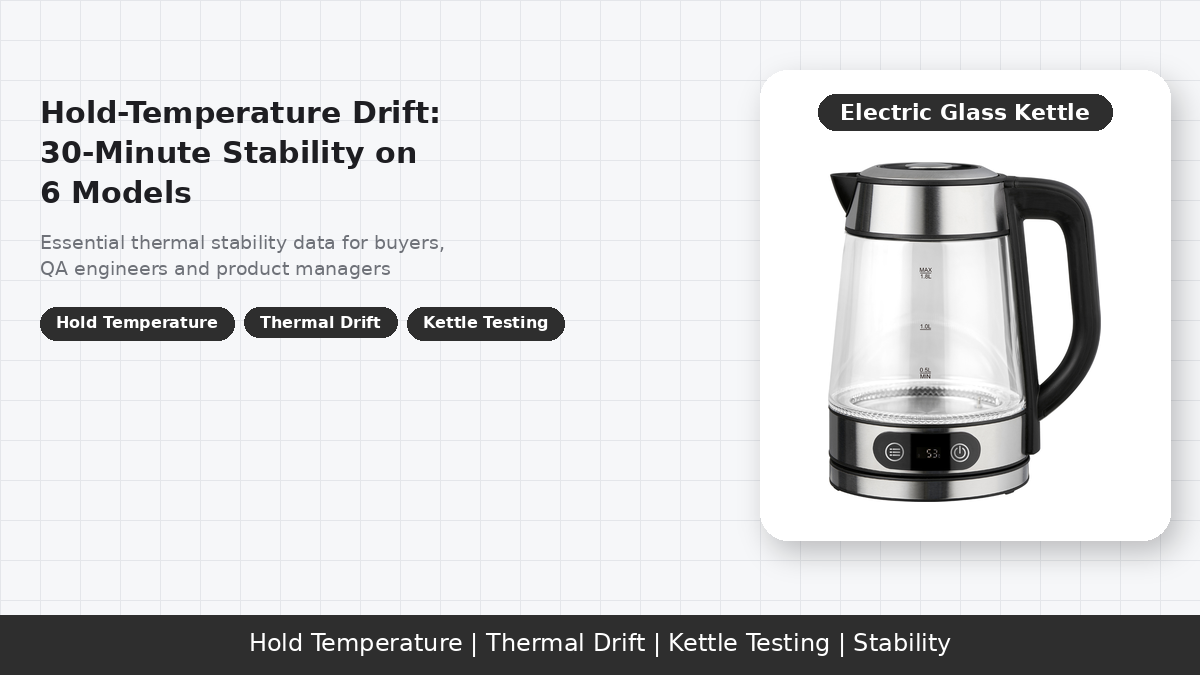
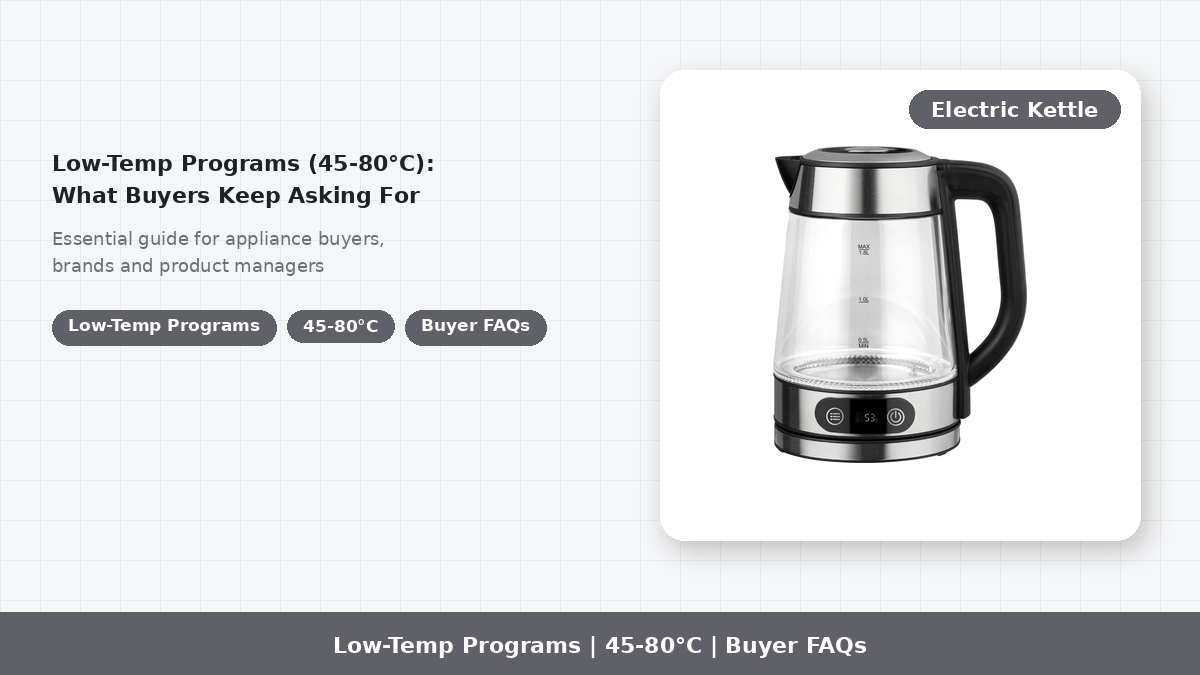
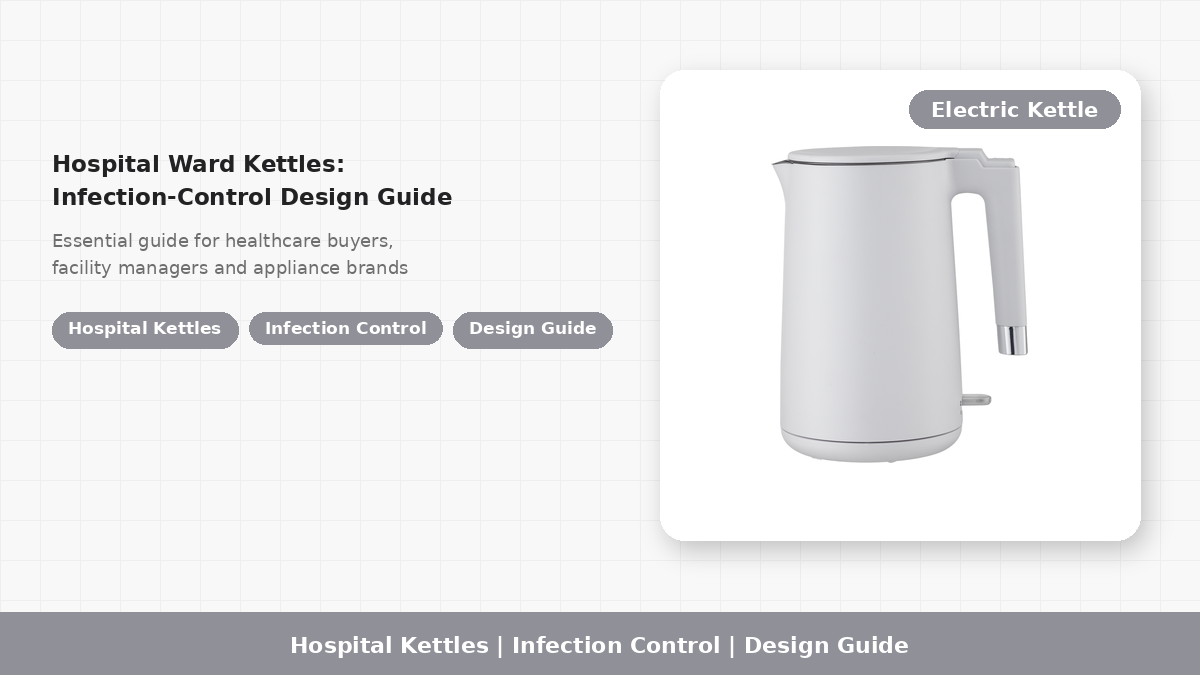
TL;DR
- A ward kettle is a general-purpose electrical appliance used in a clinical environment, specified against appliance safety standards and infection-control practice, not as a medical device.
- Three risks drive the specification: scald injury from the outer wall, contamination from surfaces that cannot be cleaned, and electrical failure close to water.
- A double-wall cool-touch body with a seamless SUS304 interior answers two of the three at once: the outer shell stays touchable at boiling point, and hot water never meets a plastic seam.
- The reference build is a 1.7 L, 1,850–2,200 W model with 13 temperature steps from 40 °C to 95 °C in 5 °C increments and a 2-hour keep-warm memory.
- What I check first on any kettle supplier is not the sample but the paperwork: certificates covering your market, and a failure-criterion list you can test.
A hospital ward kettle has to do three jobs at once: heat water quickly, survive being wiped down dozens of times a day, and never be the reason a patient, a nurse or a visitor is burned. That combination separates it from a domestic kettle.
I have spent twelve years covering the small home appliance manufacturing sector, mostly on the sourcing side: electric kettle OEM and ODM selection, supply chain evaluation and export compliance for importers. Because I evaluate manufacturers rather than sell them, the question I am asked most often about ward kettles is simple: what do I specify, and what can I ignore? In this guide I cover the risk model, the features that answer each risk, and the documents to demand before a rollout. Every specification quoted here comes from the Goodfriends double-wall kettle series, the 1.7 L cool-touch variable temperature model and the supplier's hygiene-sensitive care landing page.
What a Ward Kettle Is — and What It Is Not
The first thing to settle in a specification is that a ward kettle is a general-purpose electrical appliance used in a healthcare setting, not a medical device. That distinction decides which rules apply and which documents a supplier must hand you.
Liquid heating appliances fall under the IEC 60335 series, with Part 2-15 covering liquid heating appliances, and a kettle sold into a hospital still has to meet those rules wherever it sits. What changes in a clinical environment is the practice around it: cleaning frequency, who may touch the appliance, and whether it can be wiped with the disinfectant your ward uses.
I see three ward use cases in practice, and they do not share one specification: hydration points, where throughput and cleaning frequency dominate; clinical and maternity formula preparation, where water temperature must hit a written protocol; and isolation areas, where the unit must survive chemical disinfection.
When I read a tender for ward kettles, the giveaway of an under-specified document is that it names a capacity and a colour and nothing else. The three risks below are what cause the incidents and returns I am asked to review.
Risk 1 — Scald and Contact Burns
The most common appliance injury in a ward is a contact burn, and a single-wall Stainless Kettle makes contact burns more likely rather than less. A single wall conducts heat straight to the outside, so the surface near the waterline reaches working temperature.
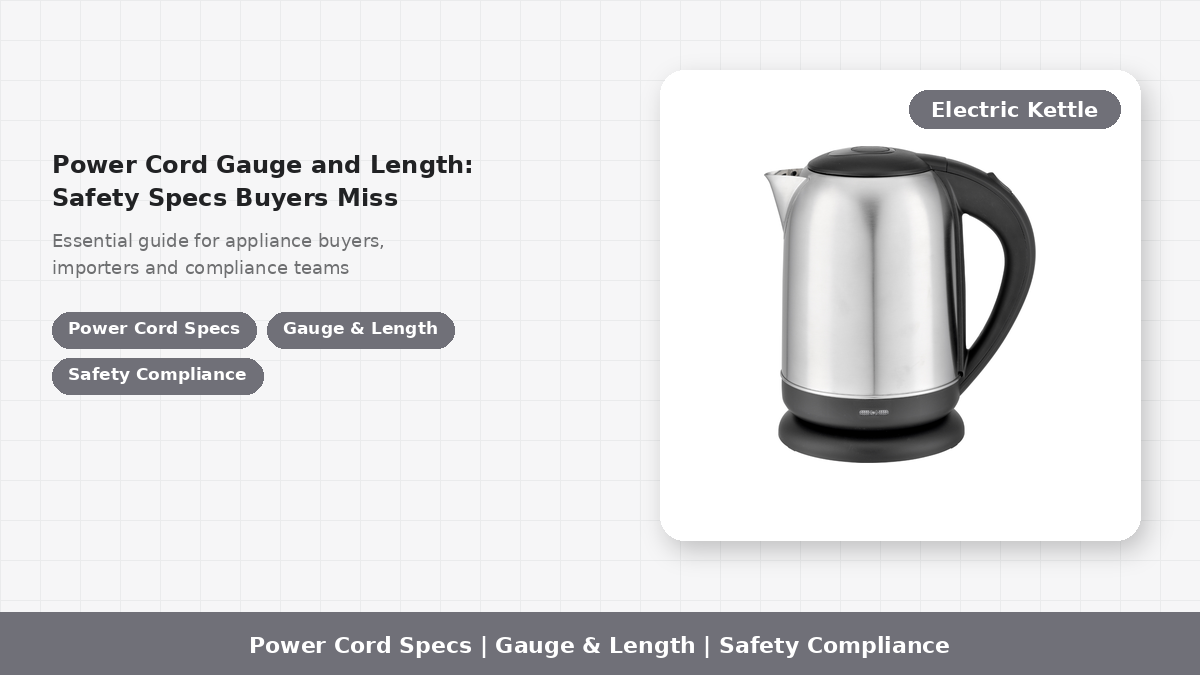
The structural answer is a double wall: a sealed stainless steel inner vessel inside an outer housing with an air gap between them. The Goodfriends anti-scald double wall kettles describe that construction, with a seamless food-grade SUS304 interior and a PP/ABS outer housing, and states that the air gap keeps the exterior safe to touch at boiling point while improving heat retention. Because an air gap slows heat transfer rather than blocking it, cool-touch reduces the severity of a contact burn without slowing the boil.
Two details decide whether cool-touch holds up in service. The first is the outer finish: the premium Matt PP variant in the 1.7 L cool-touch model carries a cool-touch design and an anti-fingerprint finish. The second is the fill line, because a kettle filled to the maximum mark and set down on a wet counter is a ward incident regardless of insulation.

Risk 2 — Cleanability and Cross-Contamination
A kettle that cannot be cleaned to the standard your ward already enforces is a kettle that will be cleaned to the standard your staff can manage, and that is where contamination risk starts.
The infection-control logic is not exotic, but I meet buyers who treat it as such. The World Health Organization's guidelines on hand hygiene in health care describe hand hygiene as the single most effective measure for reducing health care-associated infection, and every step that avoids touching a shared, frequently touched surface supports the same objective.
CDC guidance for environmental infection control in health-care facilities treats surfaces in patient-care areas as something to be cleaned between patients, and precision matters: that guidance addresses building water systems and plumbing temperatures, not countertop appliances. What it establishes is that equipment in the room is cleaned on a schedule, with a defined method.
That is where the material specification does its work. The seamless SUS304 interior published for this series has no welded seam inside the water vessel, which removes the line where biofilm and scale start, and the same page states the water never touches plastic during boiling. That keeps BPA out of the hot-water path, and it means the interior can be descaled with white vinegar or citric acid and wiped without a laboratory detergent — the difference between a ninety-second cleaning method and one staff avoid.
Risk 3 — Electrical Safety Close to Water
What worries me most in a ward is simple: an electric kettle is a mains appliance containing water, so the electrical risks follow the same rules as any household kettle, with less tolerance for shortcuts.
The Goodfriends double-wall series publishes GS, CE, CB, ETL, RoHS and REACH certification across the line, with ISO 9001-certified manufacturing, and describes 95% self-produced core components including precision thermostats and heating elements made in house. Two items matter most to a ward buyer: automatic shut-off and boil-dry protection, which stop a kettle becoming a hazard when it is left unattended on a night shift.
The reference build is specified at 1,850–2,200 W on 220–240 V, 50–60 Hz with a 1.7 L capacity, and that capacity has an estates consequence: 1.7 L is domestic-sized, so a busy ward means repeated boiling cycles and the unit count is driven by peak demand, not daily volume. The supplier's own newsroom treats power cord gauge and length as a specification point buyers miss. Because the cord and plug are the only parts that touch the building's installation, I put cord spec, plug type and cord length in the tender.
The Buyer's Specification Checklist
Here is the checklist I take into a ward kettle tender, with why each line exists and the evidence I ask a supplier for.
| Line in the specification | Why it matters, and the evidence to request |
|---|---|
| Seamless SUS304 water-contact interior | Removes seams where scale starts and keeps plastic out of the hot-water path. Ask for the material declaration and the food-contact report. |
| Automatic shut-off and boil-dry protection | Matters most when a kettle is left unattended overnight. Ask for thermostat type, sensors and test protocol. |
| Cleaning method compatibility | The disinfectant and descaling regime must not attack interior or coating. Ask for a compatibility statement. |
| Replacement and spare-parts plan | A ward kettle is an estate consumable. Ask about thermostats, elements, bases and the service route. |
One more line belongs in every ward tender: who owns the cleaning, and on what schedule. A kettle outside the rota gets cleaned ad hoc by whoever notices it, which is an operational risk, not a design one.
Temperature Control Where a Protocol Requires It
Where water temperature is prescribed by a protocol rather than by preference, the kettle stops being a convenience appliance and becomes a measurement device.
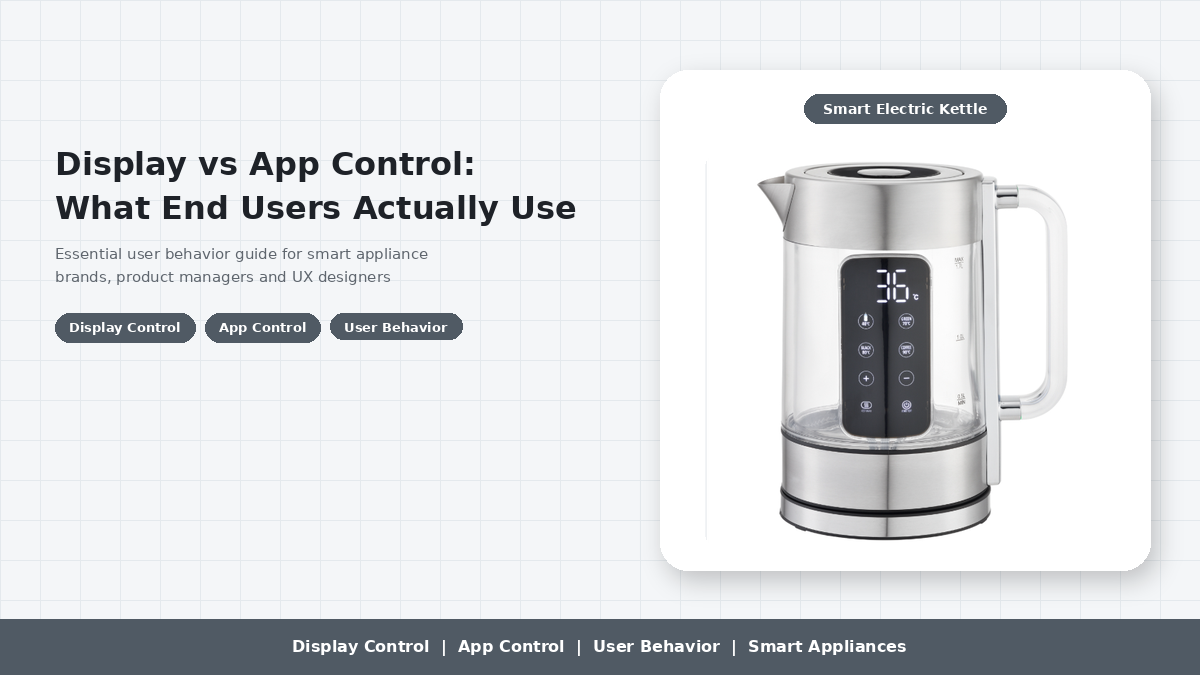
The 1.7L cool-touch variable kettle is specified with four one-touch presets at 40 °C, 70 °C, 80 °C and 90 °C, thirteen adjustable levels from 40 °C to 95 °C in 5 °C increments, a two-hour keep-warm mode that remembers the last setting, and automatic lid opening with an extra-large mouth for refilling and deep cleaning. Three carry weight in a ward: the 40 °C formula preset, the 5 °C step size that makes a written protocol expressible, and the keep-warm memory that stops staff re-programming at every shift change.
The kettles for hygiene-sensitive care describe PID temperature control holding water within ±0.5 °C of target, using multiple sensors and real-time feedback. Read that as a supplier-published specification rather than an audited figure, and verify it on the model you are buying: I would ask for measured deviation at each setpoint under cold-start and warm-fill conditions. The same page describes holding water at 100 °C to sanitize bottles and pacifiers, and lists the frameworks importers must satisfy: FDA food-contact rules, EU RoHS, CE, UL, ETL and CB certification, plus GB and JIS. For European buyers the recent change is the General Product Safety Regulation, (EU) 2023/988, applicable from 13 December 2024, which adds traceability and economic-operator obligations to whoever imports the appliance.
What a Ward Rollout Actually Consumes
Planning a ward rollout is a logistics exercise as much as a clinical one, and the supplier's own loading data is where I start.
For the 1.7 L variable temperature model, published container loading is 2,480 pieces in a 20-inch general purpose container, 5,200 in a 40-inch general purpose container and 6,080 in a 40-inch high cube. Those numbers answer the question estates teams ask me most often: how many units does one container deliver, and how many does a hospital group need for forty wards?
On the clinical side, the same infant-care page publishes a hospital case study: a European hospital network that introduced specialised infant-care kettles across 47 maternity wards reported a 34% reduction in formula preparation time, an 89% decrease in temperature-related feeding incidents and 92% staff satisfaction. Treat those figures as a supplier-published case study, not an independently audited one, which is why I would want ward-level data and a defined measurement method during an audit.
How I Evaluate a Kettle Supplier for a Clinical Buyer
When I assess a kettle manufacturer for a clinical buyer, I look at four things: how much they make themselves, what their test evidence covers, whether the certifications match the destination market, and whether they will give me data per lot.
- Vertical integration. This supplier states that 95% of core components are self-produced, including precision thermostats and heating elements, on a 95,000 m² ISO-certified site. That matters: the thermostat decides when the kettle stops.
- Test evidence. The hygiene-sensitive care brief describes performance verification over extended use, typically 5,000+ heating cycles, with batch tracking and post-market surveillance. Ask whether that testing is per model, per lot or per sample, and get the parameter list.
- Certification coverage. GS, CE, CB, ETL, RoHS and REACH is a strong spread for an importer moving between Europe, North America and Asia. For EU-bound goods add the GPSR file; for the US, confirm the listing a hospital accepts.
- Documented failure criteria. A supplier that publishes what constitutes a failure, and how long it takes to reach it, is giving you something testable; one that publishes only a cycle count is giving you a headline.
What I will not do is treat a polished sample as evidence. A sample proves appearance and function on one afternoon; a factory evaluation proves repeatability across lots.
Frequently Asked Questions
Do hospital ward kettles need medical device certification?
No. A ward kettle is a general-purpose electrical appliance used in a healthcare environment, so it is specified against household and similar electrical appliance safety standards, with Part 2-15 of the IEC 60335 series covering liquid heating appliances, and against your infection-control practice.
Is a double-wall kettle worth the specification effort in a ward?
Yes, because it addresses the most frequent appliance injury in a ward. A double-wall body with an air gap keeps the exterior safe to touch at boiling point while retaining heat, and gives you a seamless interior that is easier to descale and wipe. I would justify it against burn risk and cleaning time.
What temperature accuracy should I demand for formula preparation?
Demand the measured deviation at each setpoint, not a marketing figure. This supplier's brief describes PID control holding water within ±0.5 °C of target, and the 1.7 L variable temperature model offers four presets at 40 °C, 70 °C, 80 °C and 90 °C, with thirteen levels from 40 °C to 95 °C in 5 °C steps.
How do I check that a kettle can be cleaned the way my ward cleans?
Ask three questions: whether the water-contact interior is seamless stainless steel with no plastic in the hot-water path, whether the exterior coating tolerates your ward disinfectant, and whether the lid and base can be wiped without disassembly. The supplier's guidance is a wipe of the smooth interior and descaling with citric acid.
Which certifications matter for a hospital group buying in Europe and North America?
For Europe, expect CE, RoHS and REACH coverage plus the technical file and economic-operator obligations under the General Product Safety Regulation, (EU) 2023/988, applicable from 13 December 2024. For North America, expect ETL or UL listing and food-contact documentation. This supplier publishes GS, CE, CB, ETL, RoHS and REACH with ISO 9001 manufacturing.
Where the Decision Belongs
A ward kettle specification is a short document about three risks: a burn, a surface that cannot be cleaned, and a mains appliance next to water. Everything else is product selection. What I would put in front of a clinical buyer is a one-page checklist, the certificates matching the destination market, and a supplier who states the test conditions behind its durability numbers. Send me the ward types, the disinfection regime and the market, and I will tell you which checklist lines are mandatory.