
 0086-574-62518288


Industry News
0102030405
How to Choose a Reliable Electric Kettle Manufacturer for Private Label: A B2B Sourcing Guide
2026-05-17

The global electric kettle market is projected to reach USD 12.8 billion by 2030, according to Grand View Research. For retailers, kitchenware brands, and hospitality buyers, finding a trustworthy electric kettle manufacturer is the single most important decision in bringing a successful private-label product to market.
This guide provides a comprehensive framework for evaluating kettle manufacturers — from production capacity and vertical integration to international certifications and logistics capabilities.
Why Does the Right Electric Kettle Manufacturer Impact Your Brand's Success?
Unlike simple appliances, electric kettles involve heating elements, thermostats, electrical insulation, and food-contact materials. A faulty thermostat can destroy consumer confidence. A BPA-containing plastic can trigger a product recall. According to the European Commission's Rapid Alert System (RAPEX), Small Kitchen Appliances accounted for over 340 safety notifications in 2024 alone.
A 2025 survey by the Association of Home Appliance Manufacturers (AHAM) found that 78% of retailers identified manufacturer quality assurance as the top factor in long-term supplier retention. Price differences of 10–15% rarely outweigh the cost of a single failed compliance audit.
What Certifications Should You Expect from a Qualified Kettle Factory?
Certifications are your first and most objective screening tool. For Electric Kettles, food safety and electrical safety certifications are non-negotiable:
| Certification | Market Relevance | What It Covers |
|---|---|---|
| GS | Germany / EU | Product safety tested by independent lab (e.g., TÜV) |
| CE | European Economic Area | Mandatory for electrical product market access |
| ETL | USA / Canada | Electrical safety certification for North American market |
| LFGB | Germany / EU | Food-contact material safety for plastic and metal parts |
| FDA | USA | Food contact material compliance for US import |
| RoHS / REACH | EU | Restriction of hazardous substances in electrical components |
| ERP | EU | Energy-related product directive — efficiency and standby power |
| ISO 9001 / 14001 | Global | Quality management and environmental management systems |
Top-tier manufacturers like Goodfriends Electric, with 25 years of focused kettle production, hold all of these certifications — covering both European and North American compliance requirements. This eliminates months of re-certification delays for new product launches.
How Does Vertical Integration Affect Kettle Manufacturing Quality?
One of the most important — and often overlooked — factors in selecting an electric kettle manufacturer is the degree of vertical integration. Many factories simply assemble components sourced from third-party suppliers. A truly vertically integrated manufacturer produces its own critical components in-house.
The Three Core Components Every Kettle Factory Should Control
- Thermostat & controller: The most failure-prone component. In-house production allows 5,000+ cycle testing and custom calibration.
- Heating element: Direct control over material gauge, coating, and thermal distribution ensures rapid, even boiling.
- Mold & tooling: Proprietary mold design enables faster iteration for custom shapes and features.
Goodfriends Electric reports that 95% of their core components are produced in-house — including precision thermostats and high-efficiency heating elements. This level of vertical control directly translates to lower defect rates and faster custom development cycles.
How Do You Evaluate a Kettle Factory's Production Capacity?
When sourcing for private-label distribution, capacity matters as much as capability. These are the benchmarks used by professional procurement teams:
- Annual output: A serious manufacturer should export 10+ million units annually. Goodfriends exports 12–15 million kettles per year.
- Facility footprint: 95,000 m² across multiple bases indicates long-term capital commitment.
- Workforce: 1,000+ employees with dedicated R&D, QC, and production teams.
- Container packing experience: 20"GP / 40"GP / 40"HQ loading plans should be pre-calculated for each model.
- ERP system: Full-digitized management system for real-time order tracking and inventory control.
What Types of Electric Kettles Should a Full-Range Manufacturer Offer?
A comprehensive product portfolio signals manufacturing depth and market intelligence. Here are the major categories to expect:
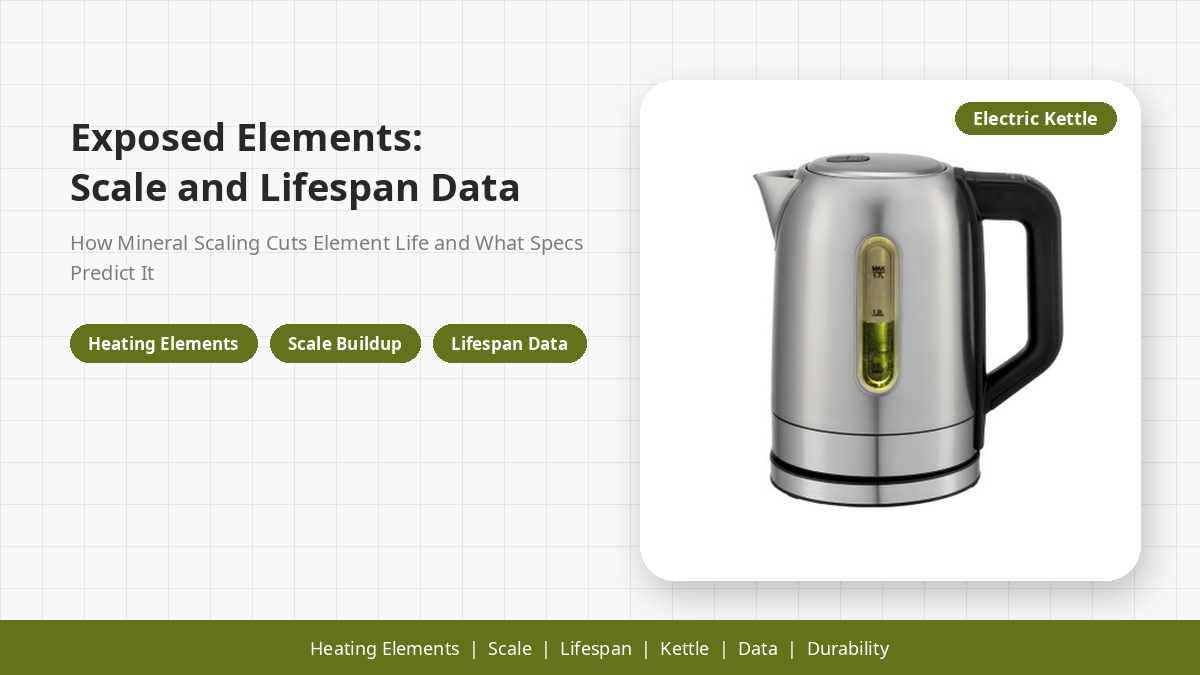
1. Stainless Steel Electric Kettles
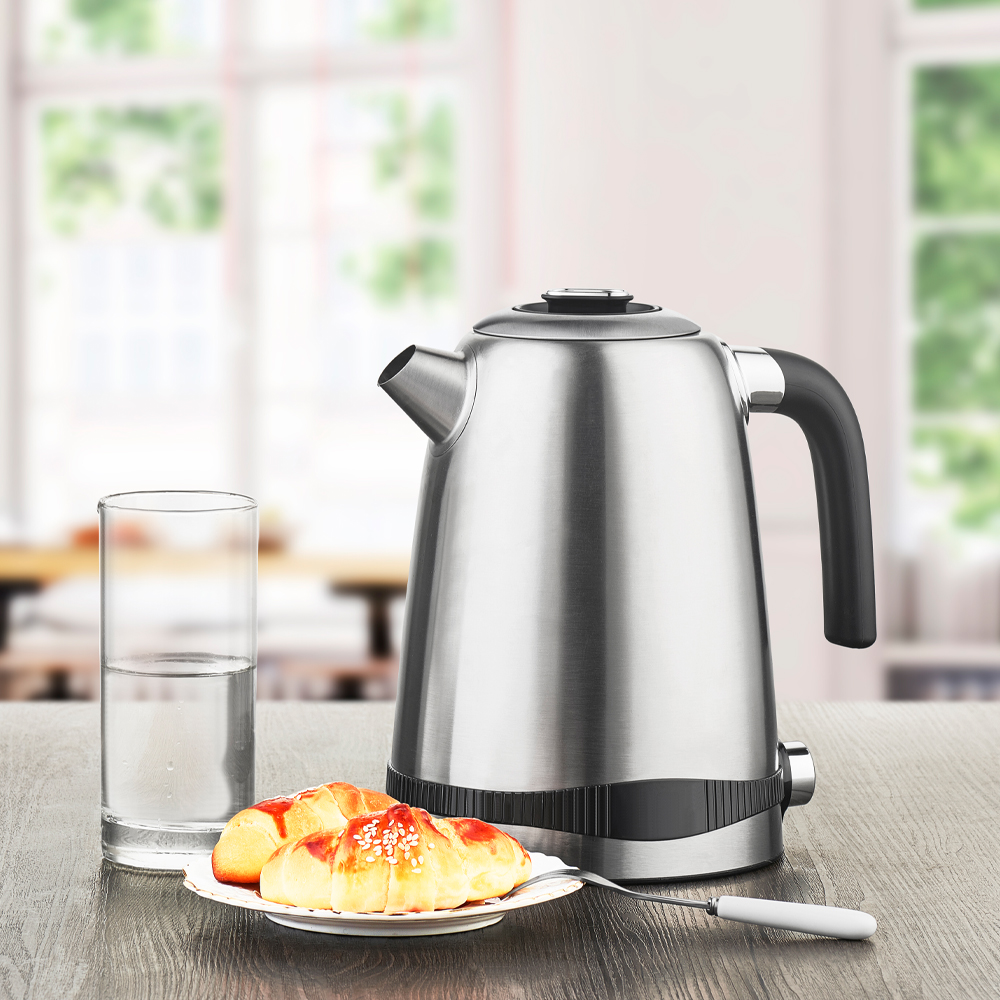
The backbone of any kettle lineup. Food-grade 304 stainless steel (SUS304) is the industry standard for inner tanks and water-contacting parts. A typical stainless steel electric kettle features a 1.7L capacity, 1850-2200W power, 360° cordless base, and auto shut-off. LED water windows and concealed heating elements are popular selling points in Western markets.
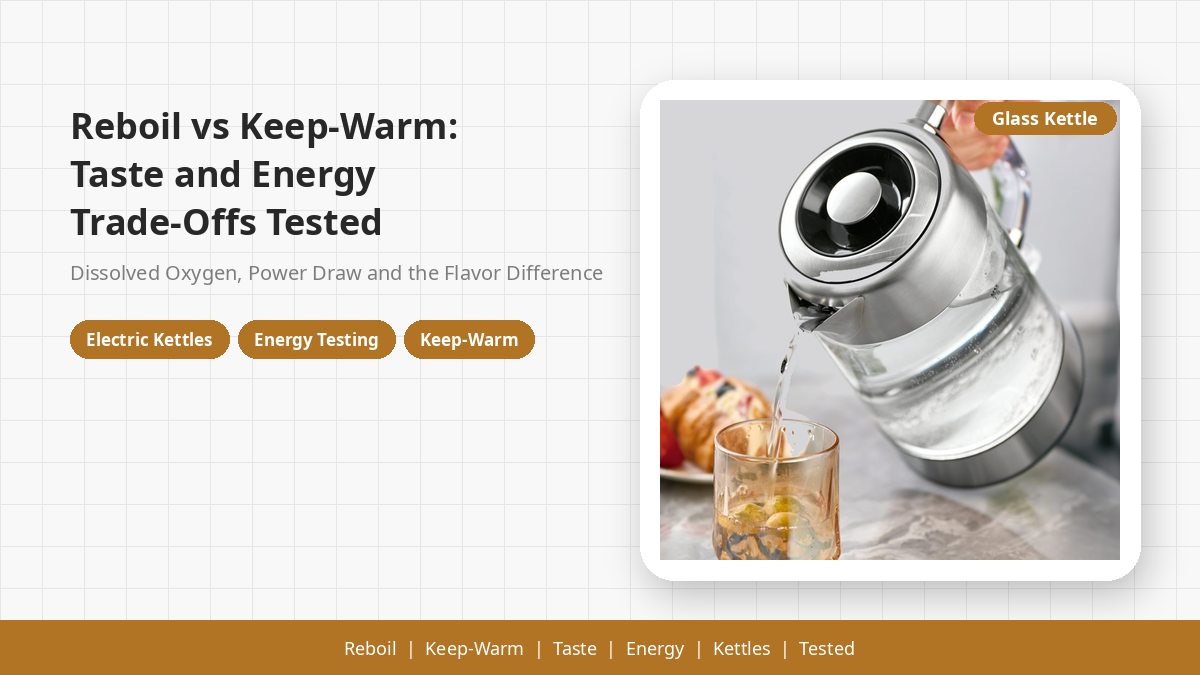
2. Glass Electric Tea Kettles
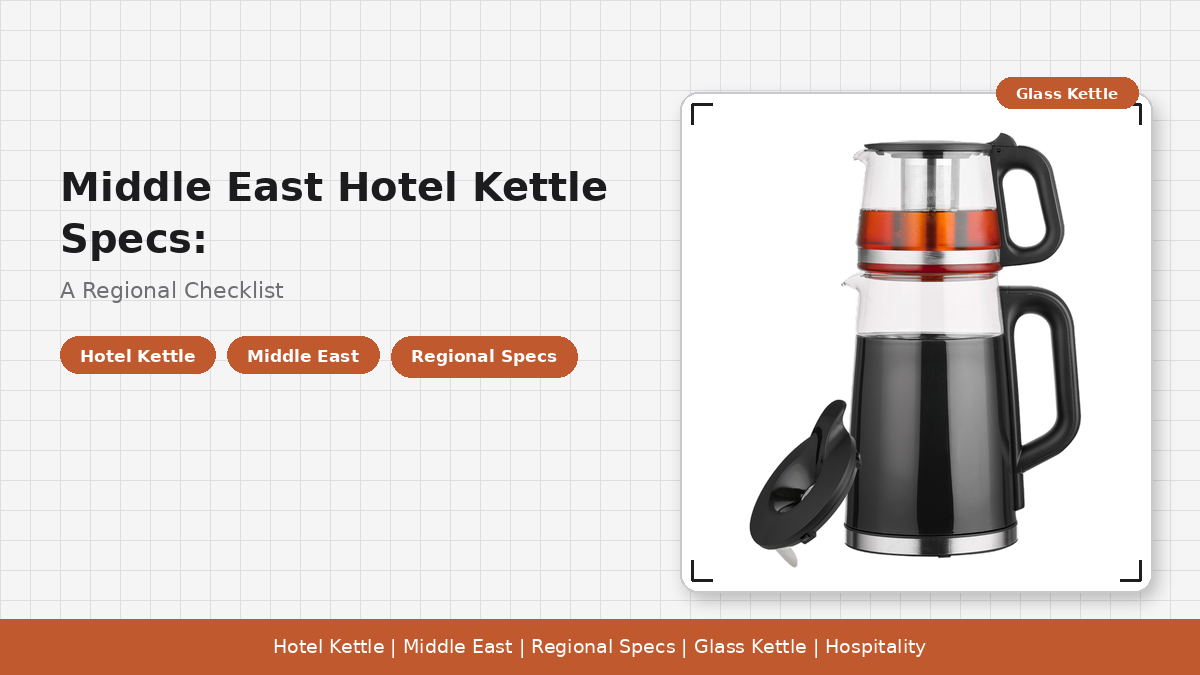
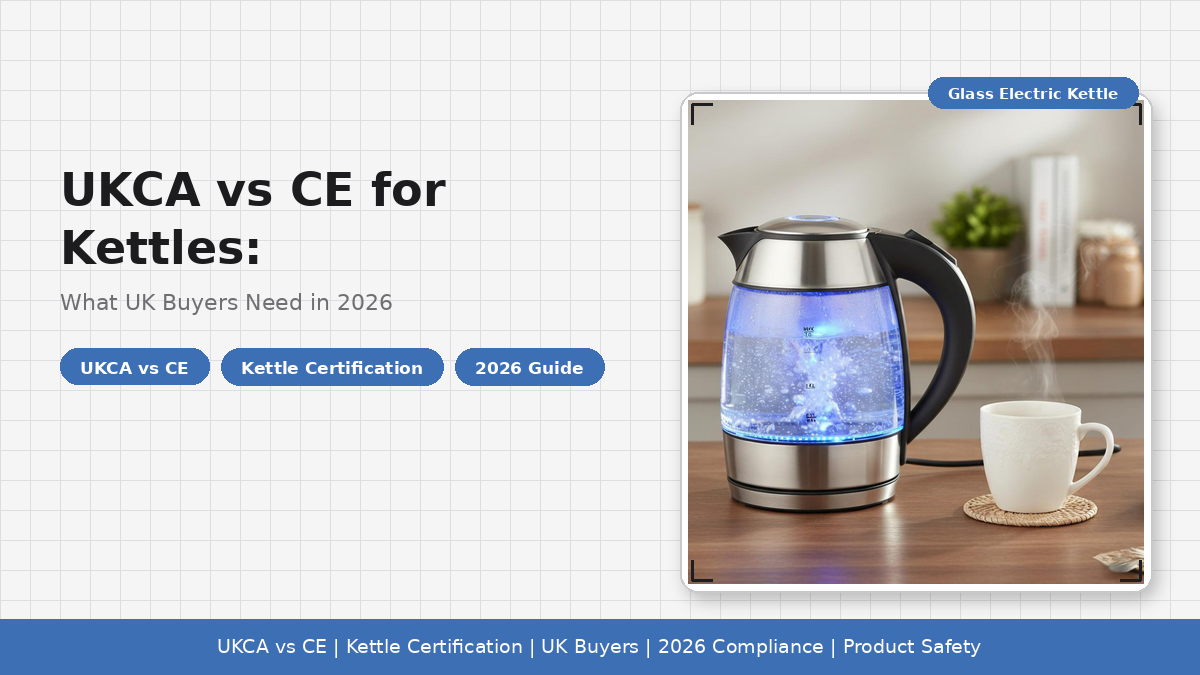
Borosilicate Glass Kettles dominate the specialty tea market. Aglass electric tea kettle with double-wall construction and multi-gear temperature control (typically 4–13 presets) allows precise heating for white, green, oolong, and black teas. The "Mother-Son" dual-pot configuration — with a 1.7L main pot and a 1.0L brewing pot — is especially popular in Turkish, Iranian, and Central Asian markets.
3. Temperature Control & Smart Kettles
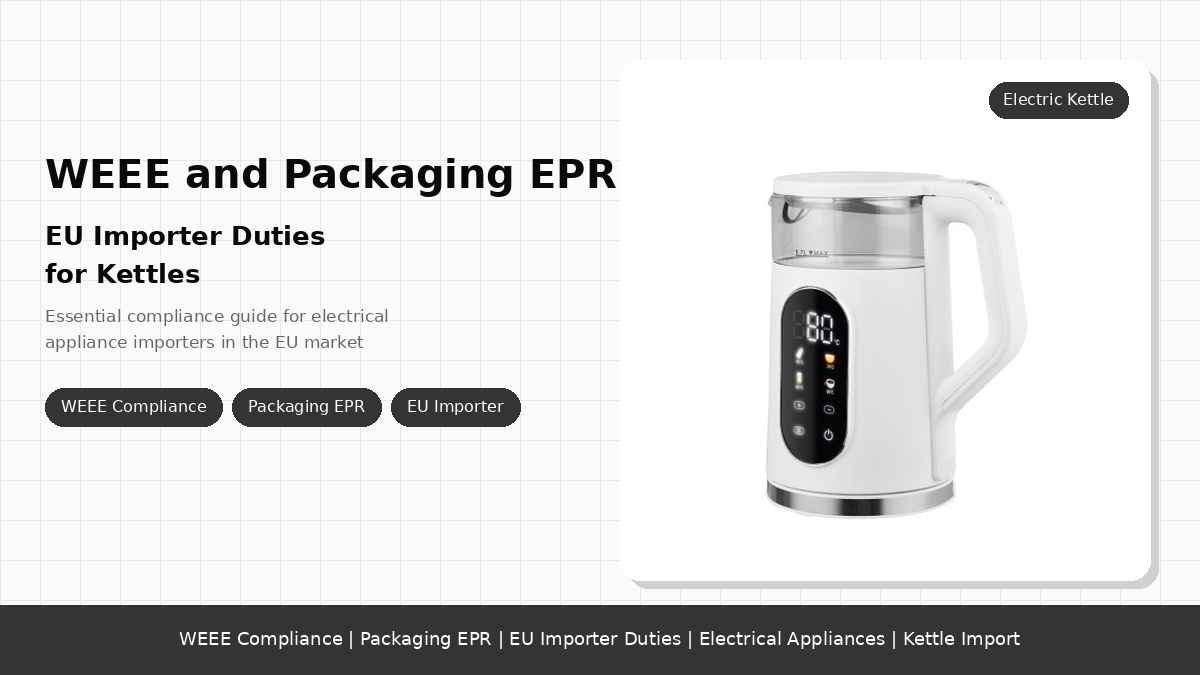
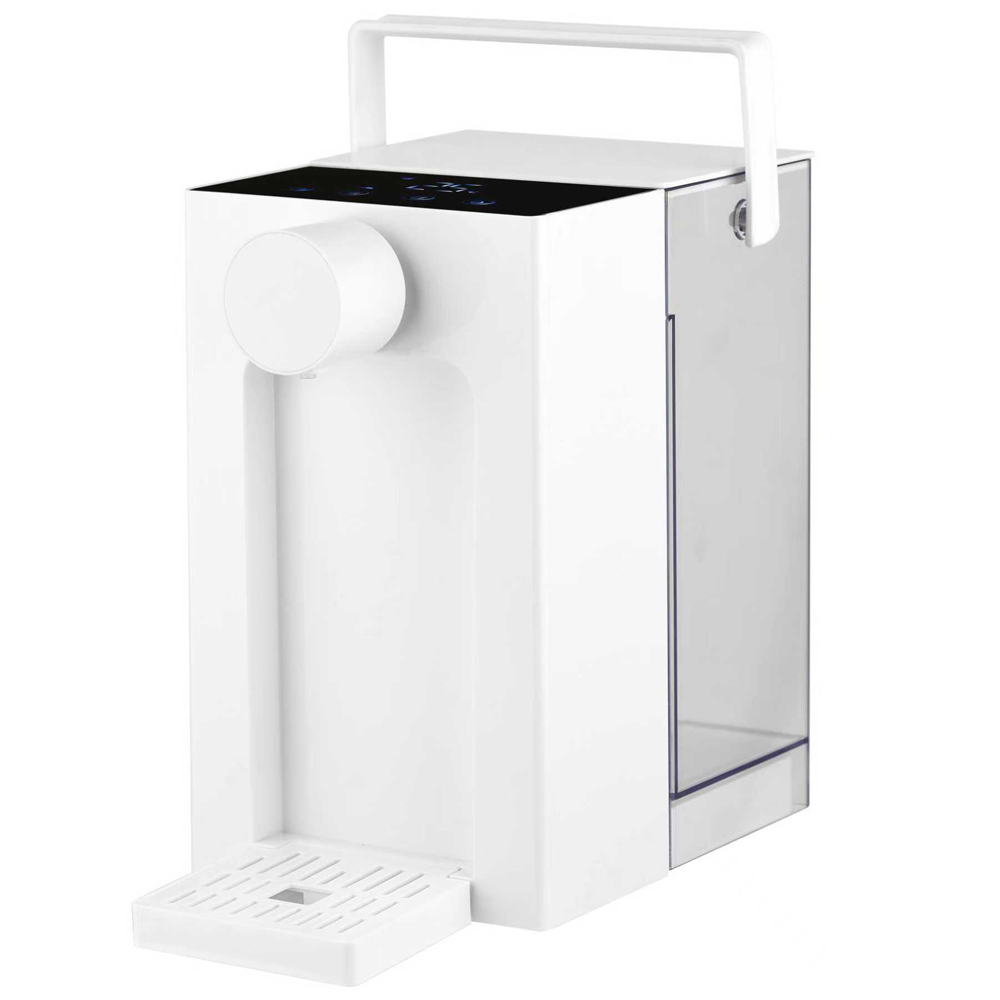
Variable temperature control has shifted from a premium feature to a mainstream expectation. Digital temperature control kettles offer 7+ heat settings, keep-warm functions (1–2 hours), and memory modes that recall the last-used temperature. Smart dispensing models with automatic water dispensing are growing rapidly in the Asian hospitality sector.
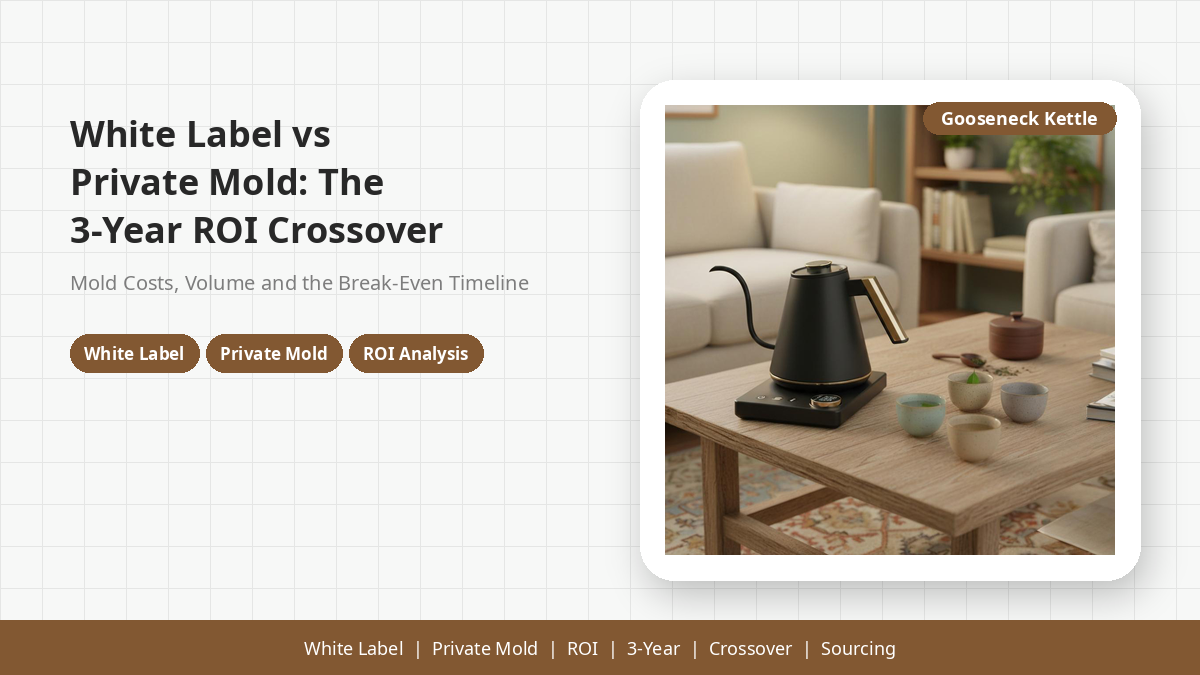
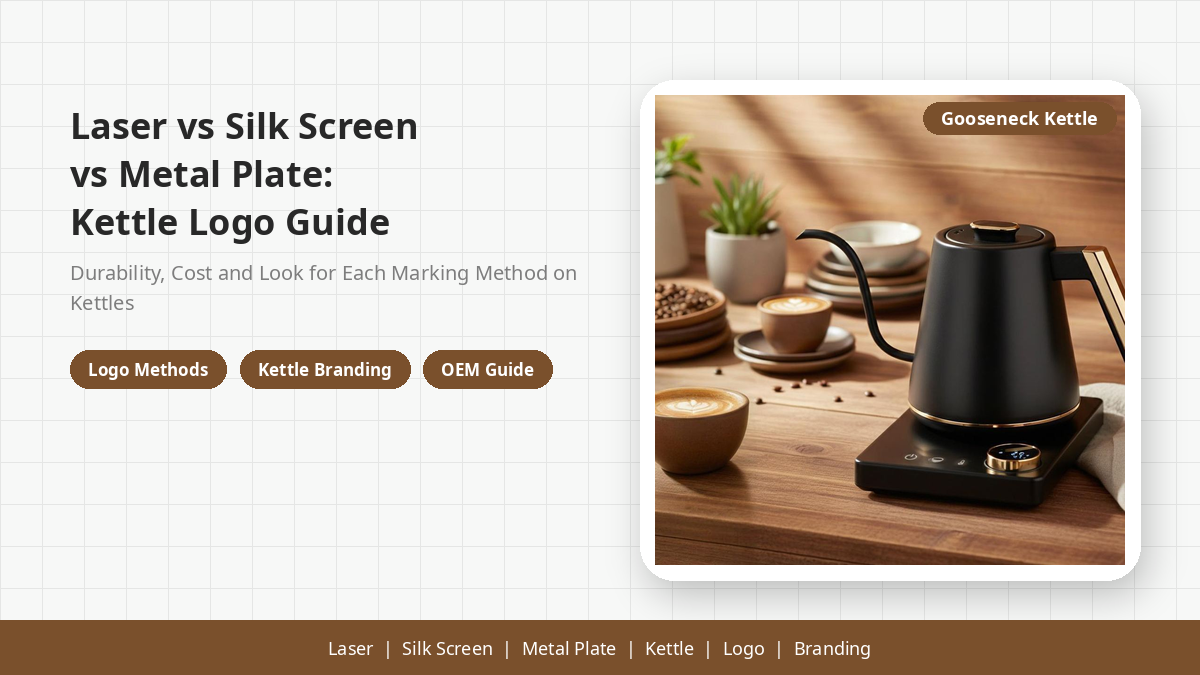
4. Gooseneck Coffee Kettles
The specialty coffee boom has created strong demand for precision pour-over kettles. A gooseneck electric kettle combines a narrow, curved spout with digital temperature precision (±1°C), catering to third-wave coffee brewers who require controlled pour rates and exact water temperatures.
5. BPA-Free Plastic Kettles
Price-sensitive entry-level markets still demand Plastic Kettles, but BPA-free materials are now mandatory for export to EU and North American markets. Look for LFGB or FDA-certified food-grade plastic models with unique patterned designs for retail differentiation.
What Is the Kettle OEM/ODM Development Process?
Understanding the end-to-end timeline helps B2B buyers plan product launches with confidence:
| Phase | Duration | Key Activities |
|---|---|---|
| 1. Requirement Definition | 1–2 weeks | Specify capacity, material, temperature range, certifications needed, packaging design |
| 2. Engineering & Mold Design | 3–5 weeks | 3D modeling, material selection, mold fabrication (for ODM projects) |
| 3. Pre-Production Sample (PPS) | 2–3 weeks | Injection molding, component assembly, functional testing, compliance checks |
| 4. Mass Production | 3–6 weeks | Production run with in-line QC, process audits, random sampling |
| 5. Shipment & Documentation | 1–2 weeks | Pre-shipment inspection, loading, certificate of origin, bill of lading |
Total timeline: 10–18 weeks for a new ODM product; 5–8 weeks for OEM (branding-only) on existing models.
How Do You Verify Kettle Quality Control Before Ordering?
According to the U.S. Consumer Product Safety Commission (CPSC), Small Kitchen Appliances were involved in an estimated 7,300 residential fires annually in the United States between 2020 and 2024. Quality control is not optional — it is a legal and ethical requirement.
Professional electric kettle manufacturers implement multi-layer quality assurance:
- Incoming QC: Raw material verification — steel grade testing, plastic food-grade certification, electronic component validation
- In-Process QC: Heating element power test, thermostat cycling test (5,000+ actuations), insulation resistance measurement
- Final QC: Dielectric strength test (1,500V), boil-dry protection test, water level accuracy check
- Pre-Shipment QC: AQL 2.5 random sampling, cosmetic inspection, packaging integrity test
"We sourced from three different kettle manufacturers before settling on our current partner. The difference was night and day — our return rate dropped from 3.8% to 0.4% after switching to a vertically integrated factory. The key sign was simple: they showed us their thermostat test lab without us asking."
— Head of Product Development, European home appliance brand (name withheld for confidentiality)
What Logistics and Compliance Factors Should You Consider?
Exporting Electric Kettles involves navigating HS Code 8516.10 (electric instantaneous or storage water heaters and immersion heaters), country-specific plug types (Type G in UK, Type F in EU, Type B in US), and voltage requirements (220-240V for EU, 120V for US).
Critical logistics questions for prospective manufacturing partners:
- Which ports do you ship from? Ningbo and Shanghai handle the vast majority of small appliance exports from China.
- What are your container loading capacities? For a standard 1.7L kettle, expect 2,800 (20"GP) to 7,000 (40"HQ) units per container.
- Can you offer FOB, CIF, and DDP terms? Flexible incoterms demonstrate logistics maturity.
- Do you manage destination-country compliance? This includes plug adapter configuration, voltage labeling, and local instruction manuals.
How to Build a Long-Term Partnership with a Kettle Manufacturer
Based on interviews with procurement executives from five international kitchenware distributors (anonymized), the following traits distinguish exceptional manufacturing partners:
✅ Deep Category Expertise
Single-category specialists — companies that focus exclusively on Electric Kettles — consistently outperform diversified manufacturers. Twenty-five years of kettle-only R&D creates knowledge that cannot be replicated by generalist factories.
✅ Proactive Compliance Updates
The best manufacturers track regulatory changes — such as updated EU Ecodesign requirements or California Proposition 65 — and notify partners before enforcement deadlines.
✅ Packaging Customization
From retail-ready packaging to multi-language SKU configurations, flexible packaging options reduce go-to-market friction.
✅ After-Sales Support
Warranty terms, spare parts availability, and dedicated account management are signs of a partner invested in long-term relationships rather than transactional orders.
Frequently Asked Questions About Electric Kettle Manufacturing (FAQ)
What is the minimum order quantity (MOQ) for private-label electric kettles?
MOQ varies by model complexity. For standard 1.7L Stainless Steel Kettles, MOQ typically ranges from 1,000 to 3,000 units. For glass tea kettles with temperature control, MOQ may be 500 to 1,000 units. Many manufacturers offer lower MOQ for first-time collaboration to help new brands validate their market.
How long does it take to develop a custom electric kettle?
A full ODM (Original Design Manufacturing) project typically takes 10 to 18 weeks from initial concept to first shipment. OEM projects that use existing molds and modify only branding and packaging can be completed in 5 to 8 weeks.
Which electric kettle material is most popular in international markets?
Stainless steel (SUS304) accounts for approximately 55% of global electric kettle sales by volume, followed by glass (25%) and BPA-free plastic (20%). Glass kettles, however, have the highest growth rate — driven by consumer preference for visible water quality and chemical-free boiling.
Are Chinese electric kettle manufacturers compliant with EU and US safety standards?
Yes — reputable Chinese manufacturers hold GS, CE, ETL, LFGB, FDA, RoHS, and REACH certifications. Ningbo-based manufacturers alone supply over 60% of the world's electric kettles according to the China National Electrical Appliances Association. Always request certification copies and arrange third-party factory audits before committing to large-volume orders.
Can a kettle manufacturer integrate smart features like app control or voice assistant compatibility?
Yes. Advanced manufacturers now offer Bluetooth-enabled kettles with smartphone app control, Alexa/Google Home voice integration, and IoT connectivity for automated brewing schedules. These features are transitioning from premium differentiators to standard offerings in competitive export markets.