
 0086-574-62518288


Industry News
0102030405
The Complete B2B Guide to Sourcing Electric Kettles from China: Quality, Certifications & OEM Partner Selection
2026-05-13
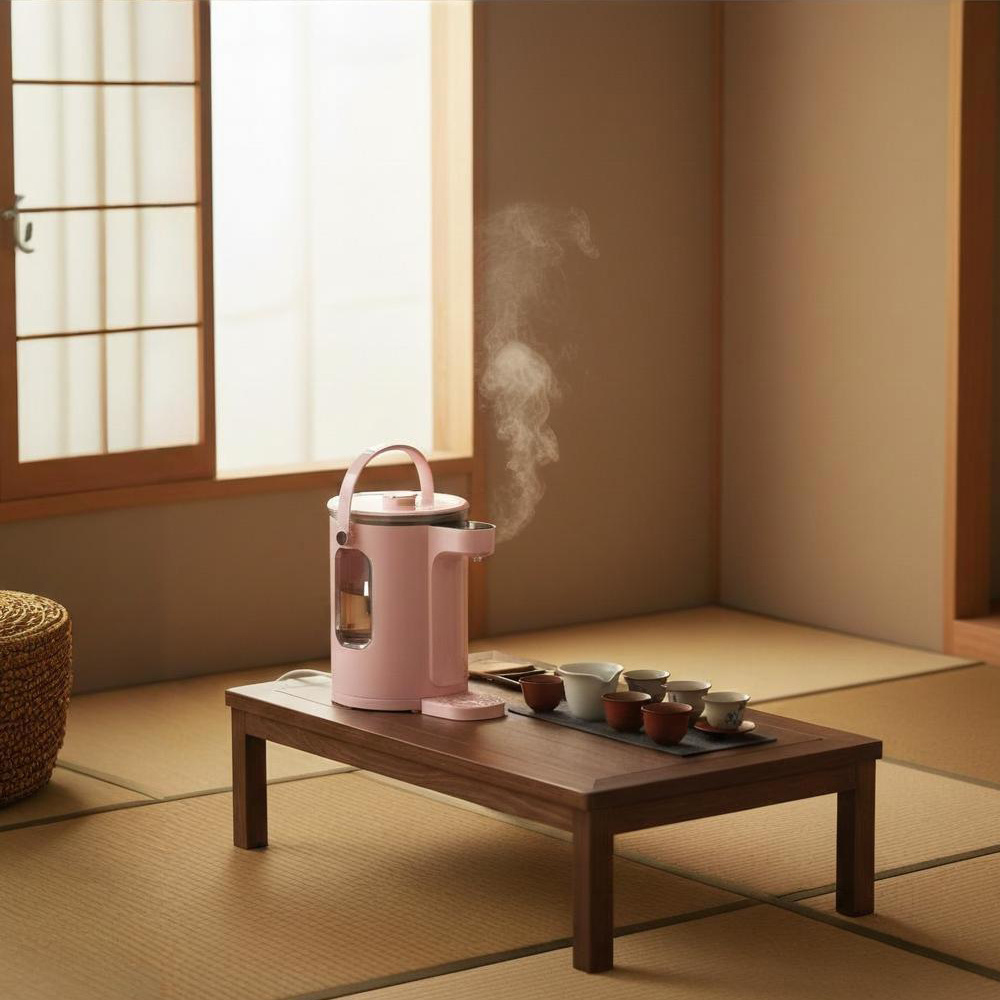
Why Are More Global Brands Choosing China for Electric Kettle Manufacturing?
Over the past decade, the global small appliance industry has witnessed a decisive shift. According to a Market Research Future report, the global electric kettle market is projected to grow at a CAGR of 7.5% through 2028, driven by rising demand for smart, energy-efficient kitchen appliances. For international buyers—whether you are a retailer, distributor, or brand owner—finding the right electric kettle manufacturer is no longer just about price. It is about supply chain reliability, regulatory compliance, and long-term partnership.
China remains the world's dominant production hub for Electric Kettles, accounting for over 70% of global output. But with thousands of factories to choose from, how do you identify a partner who can consistently deliver quality, meet international certification standards, and scale with your business?
This guide provides a structured framework for B2B buyers to evaluate OEM electric kettle suppliers, covering everything from certification verification to factory auditing and cost optimization.
What Certifications Should You Verify Before Partnering with an OEM Electric Kettle Supplier?
Certifications are the single most reliable indicator of a supplier's manufacturing maturity. A certified factory has invested in quality management systems, product safety testing, and compliance infrastructure. Below are the key certifications every buyer should demand.
Essential Safety Certifications (CE, GS, ETL)
For the European market, CE marking is mandatory—it indicates conformity with EU health, safety, and environmental standards. The GS mark (Geprüfte Sicherheit) is a voluntary but highly respected German safety certification that goes beyond basic CE requirements. For North American markets, ETL or UL certification is required. A reputable wholesale electric kettle factory should hold all of these and make them available for inspection.
Food-Grade Material Compliance (LFGB, FDA)
Electric Kettles come into direct contact with drinking water, making material safety non-negotiable. TheLFGB (German Food and Feed Code) certificate is the gold standard for plastic and silicone parts that contact food. The FDA (U.S. Food and Drug Administration) approval ensures that materials meet U.S. safety standards. Always request LFGB and FDA test reports—not just certificates—to verify batch-level compliance.
Environmental and Social Compliance (RoHS, REACH, BSCI)
RoHS restricts hazardous substances like lead and mercury in electronic components. REACH regulates chemical substances used in manufacturing. BSCI (Business Social Compliance Initiative) audits factory working conditions. A factory with ISO9001 (quality management) and ISO14001 (environmental management) certifications demonstrates systematic operational discipline.
Real-world example: Ningbo Goodfriends Electric Appliance Co., Ltd., a China kettle manufacturer with 25 years of focused industry experience, holds all of the above certifications including GS, CE, EMC, RoHS, LFGB, FDA, REACH, ETL, and ERP. Such breadth of certification is a strong signal of export readiness for global markets.
How to Evaluate a Wholesale Electric Kettle Factory: A Step-by-Step Checklist
Beyond certifications, a physical or virtual factory audit is essential. Use this checklist to assess potential partners.
Step 1: Assess Manufacturing Scale and Capacity
How many square meters of production space does the factory operate? What is the annual output capacity? For example, a mature custom electric kettle manufacturing facility should produce over 10 million units annually to guarantee supply stability. A factory with three or more production bases and 1,000+ employees indicates the scale needed for large-volume B2B orders.
Step 2: Verify Vertical Integration Capabilities
Vertical integration—where the manufacturer produces core components (thermostats, heating elements) in-house rather than sourcing from third parties—directly impacts quality consistency and cost control.
| Capability | Vertically Integrated Manufacturer | Assembly-Only Supplier |
|---|---|---|
| Quality Control | End-to-end control; consistent output | Dependent on third-party component quality |
| Customization Lead Time | 4–6 weeks for custom designs | 8–12 weeks due to component sourcing delays |
| Cost per Unit | 10–15% lower due to eliminated middle margins | Higher; each component layer adds markup |
| Innovation Capability | High: in-house R&D can iterate rapidly | Limited: dependent on suppliers' component designs |
| Minimum Order Quantity (MOQ) | Flexible (1,000–3,000 units) | Rigid (5,000+ units to justify sourcing costs) |
Step 3: Review Export Documentation and Lead Times
Request the factory's export records for the last three years. A reliable private label electric kettle partner should provide shipping documentation (bill of lading, packing lists, certificates of origin) and maintain a consistent track record of on-time delivery.
Step 4: Request Samples and Audit Production Lines
Never place a bulk order without first reviewing physical samples. Test the kettles for boil time, temperature accuracy, handle temperature after boiling, and auto-shut-off reliability.
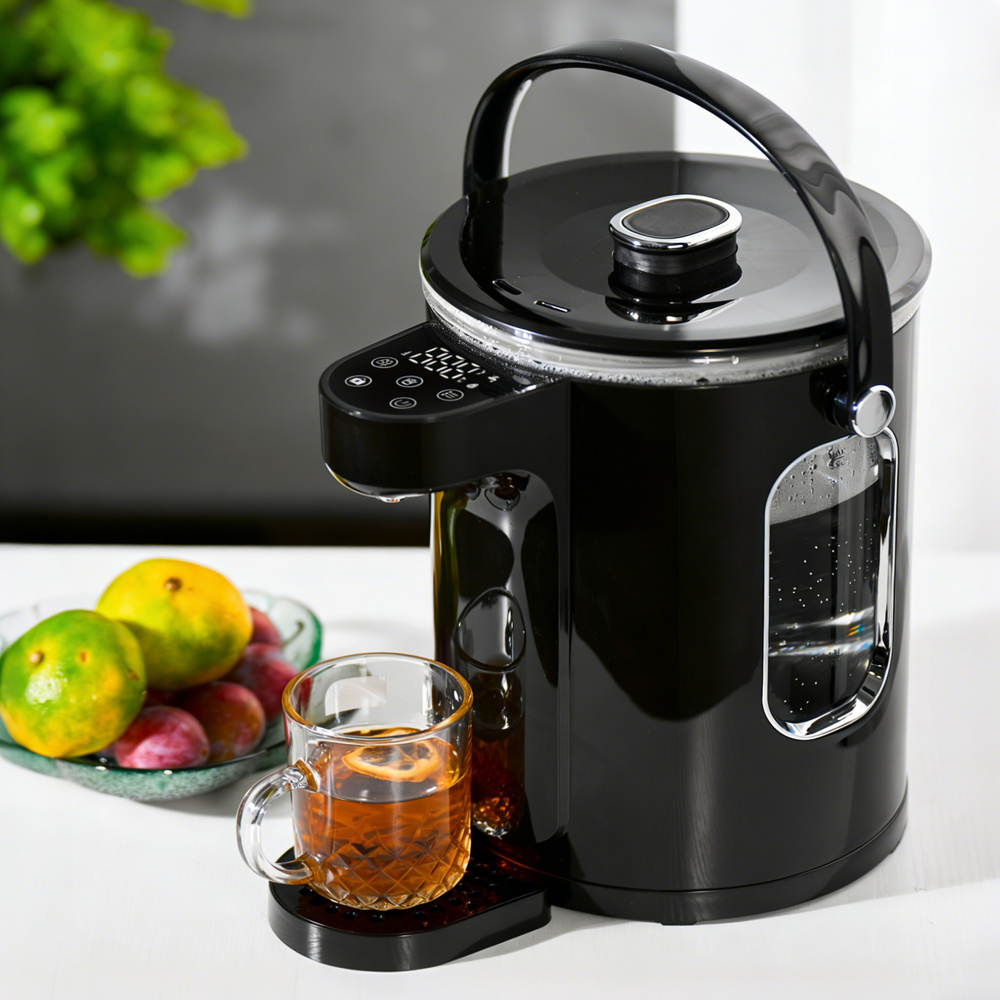
The OEM/ODM Advantage: Why Custom Electric Kettle Manufacturing Drives Brand Value
- Brand differentiation: Custom colors, logos, packaging, and feature sets allow you to position your product uniquely in target markets.
- Lower capital investment: No need to invest in factory infrastructure, tooling, or production line setup.
- Faster time-to-market: Established manufacturers have existing molds and supply chains that reduce development cycles to 6–10 weeks.
- Access to expertise: A seasoned electric kettle manufacturer with 25 years of R&D experience brings engineering knowledge.
Industry insight: According to a Statista report, private-label products now account for over 30% of electric kettle sales in Europe, driven by retailers seeking higher margins through exclusive product lines.
"We were a mid-sized home appliance distributor in Germany looking to launch our own line of premium Electric Kettles. We approached three factories, but Goodfriends stood out because of their vertical integration and certification depth. The entire process—from initial design to first shipment—took just 8 weeks. Their quality consistency across our first three container orders has been outstanding."
— Markus Weber, Procurement Director, Berlin Home Living GmbH
How to Optimize Costs Without Sacrificing Quality in Electric Kettle Sourcing
- Consolidate order volumes: Committing to annual volume agreements typically unlocks 5–8% price reductions.
- Standardize components: Using the factory's existing tooling and mold designs eliminates mold development costs.
- Negotiate FOB terms wisely: Ensure the quoted price covers packaging, export documentation, and port handling fees.
FAQ: Sourcing Electric Kettles from China
What is the minimum order quantity (MOQ) for OEM Electric Kettles from China?
MOQ varies by factory. For custom color and logo (OEM), expect 1,000–3,000 units per model. For fully custom design (ODM), MOQ may start at 3,000–5,000 units.
How long does the OEM sample development and production process take?
Sample development typically takes 15–25 days. Bulk production after sample approval ranges from 30–45 days, depending on order volume.
Which certifications are required for exporting Electric Kettles to Europe and the US?
For Europe: CE, RoHS, and LFGB are mandatory; GS is recommended. For the US: ETL or UL certification is required, along with FDA compliance.
How can I verify a factory's quality control system before placing an order?
Request ISO9001 certification, audit records, and third-party inspection reports (e.g., SGS or TÜV). Schedule a virtual factory tour or in-person visit.
Can I request custom packaging and brand-specific labeling for private label Electric Kettles?
Yes. Most custom electric kettle manufacturing partners offer comprehensive packaging services, including custom retail boxes and labeling.
Ready to find your ideal electric kettle manufacturing partner?
Contact Ningbo Goodfriends Electric Appliance Co., Ltd. for a free consultation and OEM/ODM quote.
Email: info@elec-kettle.com | Phone: 0086-574-62518288 | WhatsApp: +86 15990524504